Bonds, Clemens, and the Hall of Fame: How Cooperstown Is Still Putting the Steroid Era on Trial

Sarah Johnson
December 8, 2025
Brief
Barry Bonds and Roger Clemens were nearly shut out again by the Contemporary Era Committee. This analysis unpacks what their latest Hall of Fame snub reveals about MLB’s moral politics and Steroid Era legacy.
Hall of Fame, Hall of Morality: What the Latest Snub of Bonds and Clemens Really Says About Baseball
Jeff Kent’s election to the Hall of Fame by the Contemporary Baseball Era Committee is a nice story for a historically underrated second baseman. But the real headline isn’t who got in — it’s who once again stayed out. Barry Bonds, Roger Clemens, and Gary Sheffield, all titans of the so‑called Steroid Era, received fewer than five votes from a 16-person committee. That’s not just rejection; it’s a near-total repudiation.
What’s happening in Cooperstown is no longer about statistics, or even about what can be proven in a courtroom. It’s about what the Hall of Fame is choosing to be: a museum of baseball’s best players, or a moral tribunal passing judgment on one of the sport’s most complicated eras. The latest vote makes it clear: the gatekeepers are still punishing the Steroid Era, even as MLB profits from its legacy and fans increasingly move on.
How We Got Here: From Home Run Races to Moral Reckoning
The Bonds/Clemens stalemate sits at the intersection of three historical shifts:
- The Steroid Era’s boom-and-bust arc: From the mid-1980s to the early 2000s, performance-enhancing drugs were an open secret. Clubhouse culture, lax testing, and league inaction created conditions where PED use was not just widespread — it was rational behavior in a system that rewarded power numbers and endurance.
- MLB’s complicity and late reforms: It wasn’t until the Mitchell Report in 2007, congressional hearings, and public outcry that MLB imposed serious testing and penalties. Before that, league leadership, owners, and the media largely rode the wave of record-breaking offense.
- The Hall’s evolving gatekeepers: The Baseball Writers’ Association of America (BBWAA) kept Bonds and Clemens on the ballot for 10 years, maxing out in the mid‑60% range — short of the 75% needed. Once they aged off, the responsibility shifted to Era Committees, smaller groups with different politics, demographics, and sensibilities.
The Contemporary Baseball Era Committee — 16 people, including Hall of Famers, executives, and media members — has now reviewed Bonds and Clemens twice (2022 and this latest vote) and effectively shut the door harder each time. In 2022, Clemens and Bonds reportedly received fewer than four votes; this time, they again couldn’t even reach five. That’s a dramatic contrast to the BBWAA, where they sat within 10 percentage points of induction.
What’s Really Being Decided: Greatness vs. Goodness
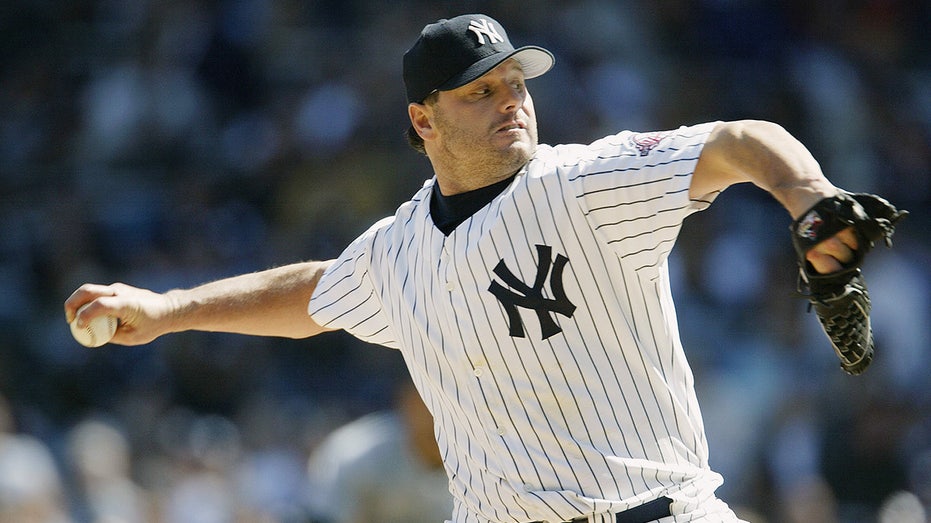
On paper, Bonds and Clemens are among the top five players ever at their positions — or in Bonds’ case, perhaps in the history of the sport. Bonds is the all-time and single-season home run king, a seven-time MVP with a career on-base percentage over .440. Clemens is a seven-time Cy Young winner with 354 wins and the third-most strikeouts in MLB history. By any traditional baseball metric, these are automatic first-ballot Hall of Famers.
The committee isn’t questioning their greatness. It’s questioning whether greatness is enough.
This is the core tension:
- Is the Hall of Fame a museum of what happened, or an endorsement of how it happened? The plaques in Cooperstown are often read as stamps of moral as well as athletic approval. Voting members clearly worry about the message it sends to enshrine players at the center of the PED debate.
- Can you separate the Steroid Era from its stars? Baseball marketed the very home run chases and velocity spikes that PEDs helped fuel. Now, the Hall is attempting to isolate a few emblematic offenders while benefiting from the era’s mythology.
- Where do you draw the line? The Hall already includes players from eras rife with amphetamines, spitballs, racist exclusion, and other serious ethical issues. The PED line is very bright for some voters — but historically, baseball’s morality has been selectively enforced.
The Trump Factor: When Culture War Politics Meets Cooperstown
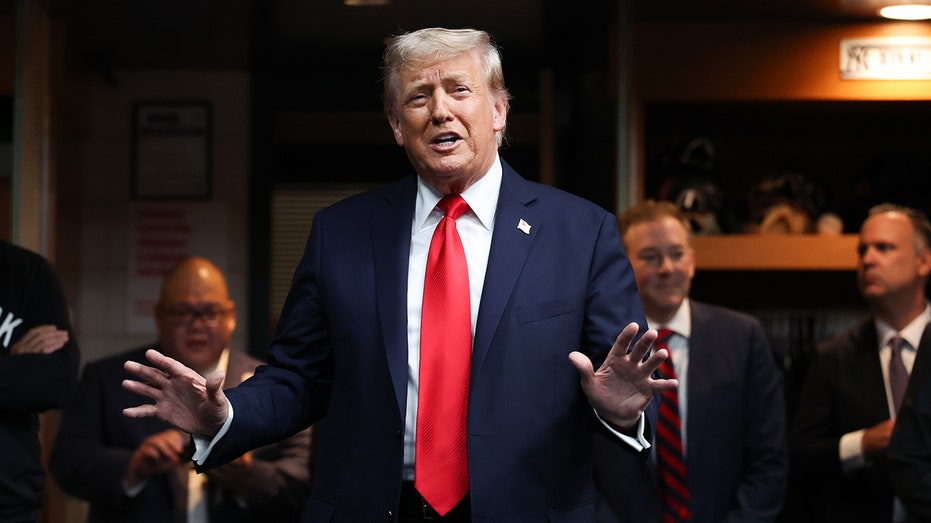
Donald Trump’s intervention on behalf of Roger Clemens — calling his case a “witch hunt,” blaming the Obama Justice Department, and urging MLB and the Hall to act — is not just a quirky footnote. It underscores how cultural battles increasingly bleed into sports institutions.
Trump’s framing of Clemens as the victim of an overreaching government investigation mirrors the language he uses about his own legal troubles and his base’s grievances. It recasts a PED-era controversy into a familiar culture war narrative: elites versus the aggrieved outsider, due process versus rumor, partisan justice versus fairness.
For Hall voters and committee members, that politicization cuts both ways:
- Some may feel outside pressure and fatigue, preferring not to reward candidates whose cases have become politically and ideologically charged.
- Others may quietly resent being cast as part of a “witch hunt,” hardening their resistance rather than softening it.
Either way, Trump’s high-profile backing doesn’t change a structural fact: Hall of Fame voting is intentionally insulated from public campaigns. The more a candidacy becomes a proxy fight in America’s broader political wars, the less likely the small, insider committees are to be swayed.
What Makes Jeff Kent’s Election So Revealing
Kent’s election is more than a feel-good moment for an overlooked star; it’s a signal of how the committee thinks about risk and reputation.
Kent was a historically productive second baseman: 377 home runs, 1,518 RBI, and the 2000 NL MVP. By advanced metrics, his bat alone makes a credible Hall case. But his personality and relationship with media were often described as difficult or prickly, and his initial BBWAA support lagged.
That he sails in with 14 of 16 votes while Bonds, Clemens, and Sheffield barely register tells us:
- The committee is comfortable correcting what it sees as analytical oversights (undervaluing second base offense) when no moral cloud is present.
- It is deeply uncomfortable revisiting PED-linked candidates, even those who came close on the writers’ ballot.
Fred McGriff’s unanimous selection on the same era ballot two years ago fits the same pattern. The committees are clearly willing to embrace “clean” power hitters and solid traditional resumes. They are just as clearly using that clean reputation as a sorting mechanism.
Expert Perspectives: Integrity, Evidence, and the Hall’s Identity Crisis
Hall of Fame debates are not just barstool arguments; they raise serious questions about institutional memory and how we document a flawed past.
Sports historian John Thorn has often argued that the Hall should be a reflection of baseball as it was played, not as we wish it had been. That view suggests excluding central figures of the Steroid Era distorts the historical record.
On the other hand, some ethicists and former players insist that drawing a line on PEDs is precisely what preserves the meaning of the Hall. If any form of cheating is waved through in the name of “history,” the institution risks becoming morally hollow.
Data adds another complication: estimates by researchers and journalists suggest that a substantial share of players in the late 1990s and early 2000s experimented with or regularly used PEDs. If that’s true, the current approach is not about keeping cheaters out — it’s about choosing which ones to single out. That selectivity is what troubles many analysts: it turns a systemic failure into an individual moral referendum.
What the Numbers (and Absences) Don’t Show
There are several quiet contradictions in the Hall’s stance that mainstream coverage often sidesteps:
- Absence is still a statement: Cooperstown is the closest thing baseball has to an official canon. Leaving out the all-time home run leader and one of its greatest pitchers doesn’t erase them — it instead creates an obvious hole that future generations will question.
- Fans have largely moved on: Attendance, TV ratings, and merchandise sales do not show any sustained boycott over PED history. Younger fans, in particular, tend to see Bonds and Clemens as part of a flawed but fascinating era, not villains to be erased.
- MLB has never returned the money: The league profited from the power surge, the home run races, and the drama. The Hall now bears the moral burden of disavowal, while the institution that created the conditions for PED use continues to benefit from that era’s mythos.
Looking Ahead: Is the Door Effectively Closed?
With Bonds, Clemens, Sheffield, and others drawing fewer than five votes on a 16-person committee — even after years of public debate — their path to induction is narrowing to near-zero in the short term. Era Committees rotate ballots, committee members change, and another opportunity could arise in years to come, but the trend line is clear: resistance is hardening, not softening.
There are a few scenarios to watch:
- A generational shift among decision-makers: As more voters and committee members come from the analytics era, with less personal animus or moral fervor about the Steroid Era, attitudes could eventually liberalize.
- Institutional compromise solutions: Some have floated the idea of a distinct exhibit or wing in Cooperstown that explicitly contextualizes the Steroid Era — acknowledging players like Bonds and Clemens with full explanation rather than full endorsement.
- Statue vs. plaque politics: Cooperstown will continue to grapple with whether “enshrinement” must always mean moral validation. If the Hall rebrands itself more explicitly as a historical archive, it may open space to include controversial figures without signaling approval.
For now, though, the signal from this committee is firm: the Steroid Era’s biggest names will remain outside the Hall’s inner sanctum, even as their numbers dominate the record book.
The Bottom Line
The latest Hall of Fame vote is not just a verdict on a handful of players. It’s a referendum on how baseball chooses to remember an era it helped create, profited from, and now prefers to hold at arm’s length. Jeff Kent’s election is a course correction; the continued exclusion of Bonds, Clemens, and Sheffield is a conscious moral posture.
Cooperstown is answering a question that will outlast every member of this committee: Should a Hall of Fame document greatness as it was, or greatness only as we wish it had been? For now, the institution is choosing the latter — and betting that future generations will see that as integrity, not denial.
Topics
Editor's Comments
The most striking aspect of this vote is not simply that Bonds and Clemens remain outside the Hall, but how overwhelmingly the committee rejected them. Fewer than five votes in a 16-person room suggests not a close call but a near-consensus that these candidates are not merely borderline — they are unwelcome. That tells us something important about how insiders want baseball history to be framed. The league itself has long since monetized and moved past the Steroid Era; it sells nostalgia for the home run races while outsourcing moral cleansing to Cooperstown. The Hall, in turn, is absorbing the ethical baggage of an era MLB helped create, choosing to enforce a bright line where the sport never did in real time. What’s missing in this conversation is accountability higher up the chain: owners, commissioners, and executives who tolerated or overlooked PED use to drive ratings and revenue. Until the Hall grapples with that systemic complicity, its moral stance on individual players will remain, at best, incomplete — and at worst, a selective rewriting of history.
Like this article? Share it with your friends!
If you find this article interesting, feel free to share it with your friends!
Thank you for your support! Sharing is the greatest encouragement for us.