Brian Cole Jr. and the DC Pipe Bomb Case: Unveiling the Hidden Layers of Domestic Terrorism

Sarah Johnson
December 4, 2025
Brief
An in-depth analysis of Brian Cole Jr.'s arrest for the 2021 DC pipe bomb case, exploring domestic terrorism dynamics, law enforcement challenges, and implications for U.S. political security.
Why the Arrest of Brian Cole Jr. in the DC Pipe Bomb Case Matters
The recent arrest of Brian Cole Jr., the suspect accused of planting pipe bombs near the U.S. Capitol on January 5, 2021, revives critical questions around domestic security, political violence, and law enforcement capabilities in the aftermath of the January 6 Capitol attack. While the bombs thankfully did not detonate, the five-year investigation culminating in Cole's capture highlights both the complexities of probing politically motivated violent acts and the persistent threats they pose. Understanding the broader context of this case sheds light on the evolving nature of domestic terrorism and what it means for the stability of American democracy.
The Bigger Picture: January 6 and Rising Domestic Threats
The pipe bombs appeared near the Republican and Democratic National Committee headquarters just hours before the Capitol attack, a pivotal moment fraught with tension following the contentious 2020 presidential election. This was not merely coincidental timing; the bombs were clearly intended to escalate chaos amid an unprecedented assault on the electoral process. The origins of such violence trace back decades, with the rising polarization of U.S politics fostering an environment where extremist violence became more plausible and frequent.
Law enforcement agencies face the monumental challenge of preemptively identifying threats cloaked within political movements. The suspects behind incidents like the Capitol riot and associated acts of violence often exploit ideological grievances, making comprehensive intelligence gathering difficult without infringing on civil liberties.
What This Really Means: Implications of Cole's Arrest
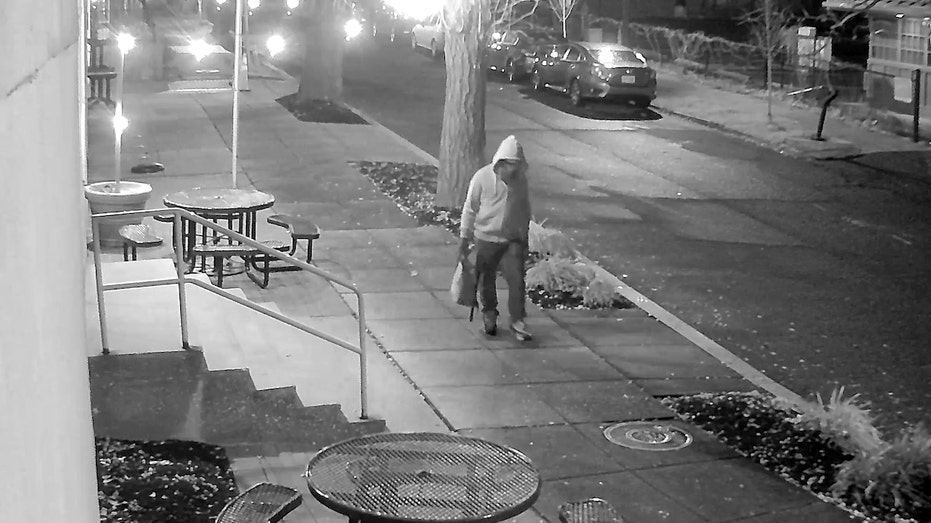
Brian Cole Jr.'s arrest after a multi-year investigation demonstrates the painstaking work required to unravel domestic terrorism cases, especially when suspects operate under anonymity and careful cover. The fact that authorities had surveillance footage showing a masked suspect, yet took five years to identify and apprehend Cole, underscores limitations in surveillance tech, inter-agency coordination, and intelligence sharing.
Moreover, Cole's case underscores the potential for lone actors or small cells to deploy highly dangerous devices that could shift political crises into full-blown domestic terror scenarios. The pipe bombs—despite not exploding—were viable threats designed to inflict harm and intimidate. This raises a broader concern: how many similar plots remain undetected, and what systemic improvements are necessary to counter these evolving tactics?
Expert Perspectives
Dr. Emily Harris, Director of the Center on Extremism Studies, notes, "This case exemplifies the challenges of tracking politically motivated violence, particularly when perpetrators are embedded within communities and leverage covert methods. It reminds us that domestic terrorism is not only about mass casualty events but also about symbolic acts intended to intimidate and disrupt democratic processes."
FBI Retired Special Agent Mark Sullivan highlights, "The delay in identifying and capturing suspects in this kind of case is often due to the limitations of forensic evidence and the need to build airtight cases for prosecution. The eventual arrest sends a signal that patience and persistence are vital in maintaining the rule of law against domestic terrorism."
Data & Evidence: A Growing Concern
Since 2016, the United States has witnessed a measurable increase in domestic terror incidents linked to political extremism. The Brennan Center for Justice reported a 30% rise in such threats between 2018 and 2021, with weaponized explosives becoming a particularly concerning modality.
FBI data indicates that pipe bombs and improvised explosive devices (IEDs) have been prevalent in plots involving white supremacists, anti-government militias, and fringe political actors. The January 6 bomb case fits this disturbing pattern, where politically charged violence leverages easily assembled yet potentially lethal devices.
Looking Ahead: Challenges for Policy and Security
Cole's arrest, while a significant law enforcement success, prompts urgent questions about preventing and disrupting similar threats before they materialize. Key areas for future focus include:
- Enhanced Intelligence Collaboration: Multilevel coordination between federal, state, and local agencies must be improved to overcome information silos that delay suspect identification.
- Community Engagement: Proactive efforts to identify radicalization pathways can help mitigate the appeal of extremist ideologies among vulnerable populations.
- Legislative Tools: Laws enabling proactive monitoring without violating constitutional rights need careful crafting to balance security and freedoms.
- Technology Investments: Advances in forensic, surveillance, and data analytics capabilities will be crucial in detecting disguised threats early.
The Bottom Line
The capture of Brian Cole Jr. is a critical moment that illustrates both how far law enforcement must go to combat domestic terror and the persistent vulnerabilities in U.S. security frameworks facing ideologically motivated violence. Beyond the headline of an arrest lies a complex story of evolving threats, institutional challenges, and the urgent need for adaptive strategies to protect democratic institutions.
Topics
Editor's Comments
Brian Cole Jr.'s arrest is more than a procedural win; it opens the door to critical conversations about how domestic terrorism is evolving in the U.S. Beyond the familiar visuals of protests and riots lie shadowy tactics such as attempted bombings designed to sow fear and chaos. The long investigation timeline also reflects systemic challenges in addressing homegrown threats that blend political grievance with violent intent. We must consider how law enforcement can adapt to these nuanced dangers without undermining civil liberties. Furthermore, this case should prompt a sober evaluation of the root causes fueling radicalization—political fragmentation, misinformation, and societal alienation—which are equally as important to address as the violent acts themselves.
Like this article? Share it with your friends!
If you find this article interesting, feel free to share it with your friends!
Thank you for your support! Sharing is the greatest encouragement for us.