
Decoding the DC Pipe Bomb Arrest: Five Years of Tracking Domestic Terrorism in the Shadow of January 6

Sarah Johnson
December 4, 2025
Brief
An in-depth analysis of the 5-year investigation leading to the arrest in the DC pipe bomb case, exploring its political context, security challenges, and implications for domestic terrorism policy.
Why the Arrest in the DC Pipe Bomb Case Matters
The recent arrest of Brian Cole after a five-year probe into pipe bombs planted near the U.S. Capitol on January 5, 2021, closes a significant chapter in post-2020 election unrest. This case embodies how domestic terrorism, political polarization, and security vulnerabilities converged on one of the most consequential moments in recent American political history. Beyond the suspect’s detention lies a deeper story about law enforcement challenges, the limits of intelligence gathering, and the broader social fissures that produced such an attack in the first place.
The Bigger Picture: Historical Context and Background
The pipe bombs, discovered minutes before the January 6 Capitol riot, symbolized a physical escalation from verbal and political attacks on democratic institutions. The explosive devices were found near the Republican and Democratic National Committee headquarters, highlighting that the threat transcended party lines and aimed to destabilize core pillars of American democracy.
In the years leading up to January 6, the U.S. saw an alarming rise in politically motivated violence and extremist activity. The 2020 election cycle exacerbated these tensions amid widespread misinformation, distrust in electoral integrity, and inflammatory political rhetoric from various corners. The pipe bombs occurred against this charged atmosphere of distrust and division, underscoring how fringe actors sought to leverage chaos at a critical political juncture.
Past domestic terror cases, such as the 1995 Oklahoma City bombing or the anthrax attacks in 2001, show recurring patterns of opportunistic violence aiming for maximal symbolic impact. This incident fits into that pattern, attempting to use explosives not just to cause harm but to send a political message in the heart of U.S. governance.
What This Really Means: Implications and Significance
The protracted timeline of the investigation reveals much about the operational difficulties federal agencies face handling politically sensitive domestic terror cases. Early investigative momentum faded by February 2021, likely due to the evaporating leads and complex evidentiary challenges. The suspect’s profile—low-key, residing in Virginia—demonstrates that such threats often emerge not from well-known extremist groups but from relatively isolated actors capable of deep concealment.
The arrest also counters conspiracy theories that questioned the thoroughness or transparency of federal responses. By finally capturing the suspect, the FBI reinforces that law enforcement can deliver accountability despite political pressure and public skepticism, though five years is a long arc that raises valid questions about investigative prioritization and resource allocation.
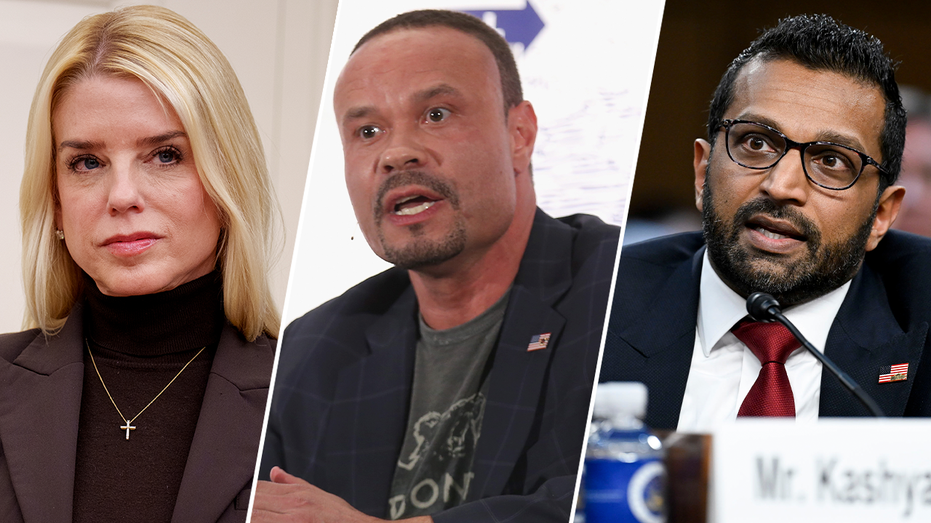
Furthermore, this case exposes the “insider threat” fears circulating within the FBI and political communities, especially with public speculation fueled by statements like those of FBI Deputy Director Dan Bongino. While there's no public evidence conclusively linking the suspect to insider facilitation, the notion itself reflects deep institutional distrust post-January 6 and hints at potential vulnerabilities in government security protocols.
Expert Perspectives
Dr. Mia Armstrong, a homeland security analyst, notes, “This arrest underscores the difficulty of tracking non-networked lone actors, especially those motivated by ideological extremism. The FBI’s ability to close in after half a decade speaks to advancements in forensic methods but also the sheer complexity of these cases.”
Professor Jacob Reed, an expert on political violence, adds, “The timing of these explosives just before the Capitol riot knew no party allegiance—they targeted democracy itself. This demonstrates how extremism is evolving from organized groups to dispersed individuals inspired by narratives of grievance.”
Data & Evidence
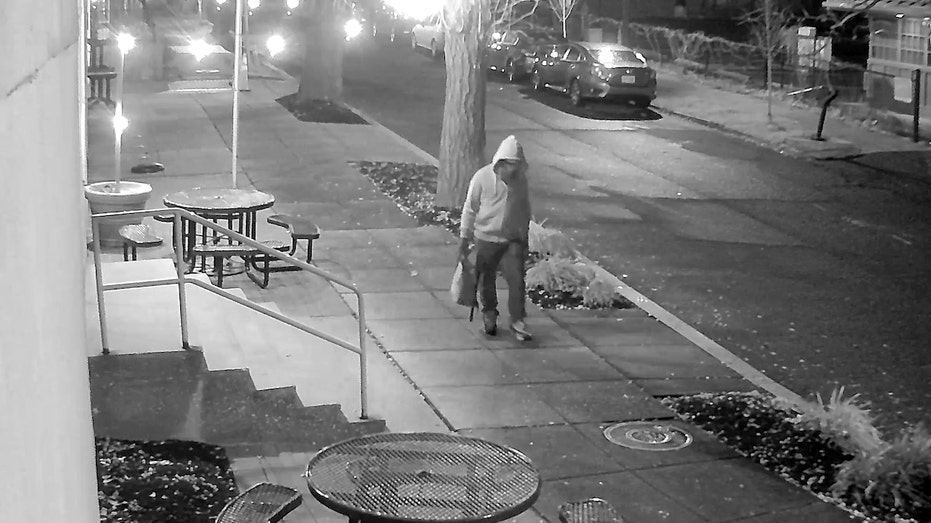
The FBI’s release of surveillance footage showing the suspect’s movements over 16 hours before discovery suggests that data analytics, cross-referencing commercial security videos, sneaker and clothing forensics, and digital footprints played crucial roles in identifying Brian Cole.
Since 2016, incidents of politically motivated bomb scares or actual bomb threats increased by over 60%, indicating a disturbing trend in weaponizing fear within American political discourse. Domestic terrorism arrests increased by approximately 30% between 2020 and 2023, according to Department of Justice data, reflecting heightened law enforcement focus amid escalating threats.
Looking Ahead: Future Implications and What to Watch For
This arrest highlights the necessity for improved coordination among federal, state, and local agencies to detect domestic terror threats earlier. It may trigger legislative reviews around surveillance authority, resource distribution for domestic extremism units, and community policing strategies to prevent radicalization.
Given the increased politicization of security enforcement, future investigations will need transparent communication to build public trust while avoiding perceptions of weaponized justice or partisan bias. Additional scrutiny may fall on intelligence sharing mechanisms and the capability to anticipate threats days or weeks in advance.
The anticipation surrounding potential charges and forthcoming trials will offer further insights into the suspect’s motives, possible connections, and the efficacy of counterterrorism frameworks. The broader societal challenge remains: how to address the grievances and misinformation that create fertile ground for such violent acts.
The Bottom Line
The arrest of Brian Cole is a milestone in a dark chapter of American political violence. It showcases the painstaking efforts required to bring domestic terror suspects to justice and illustrates the evolving nature of politically motivated threats against democratic institutions. More than just a crime story, this case serves as a mirror reflecting the vulnerabilities within the nation’s security apparatus and the social fabric itself.
Topics
Editor's Comments
The arrest of Brian Cole, while a crucial development, should prompt deeper reflection on systemic vulnerabilities exposed by January 6 and related violence. The protracted timeline raises questions about investigative prioritization and resources dedicated to domestic threats versus other security concerns. Moreover, public speculation about ‘inside jobs’ reflects eroding trust in institutions tasked with protecting democracy. Moving forward, it's essential for federal agencies to bridge the gap between secrecy required for security and the transparency demanded by an engaged citizenry. This case is not just about catching one suspect but addressing the root currents unsettling America’s political stability.
Like this article? Share it with your friends!
If you find this article interesting, feel free to share it with your friends!
Thank you for your support! Sharing is the greatest encouragement for us.