Halle Berry’s Bold Rebuke of Gavin Newsom Exposes Gender, Ageism, and Political Fault Lines Ahead of 2028

Sarah Johnson
December 4, 2025
Brief
Halle Berry’s criticism of Governor Gavin Newsom reveals deeper issues of gender bias, menopause healthcare neglect, and ageism shaping politics and culture ahead of the 2028 presidential race.
Halle Berry’s Rebuke of Gavin Newsom Highlights the Intersection of Gender, Politics, and Ageism in America
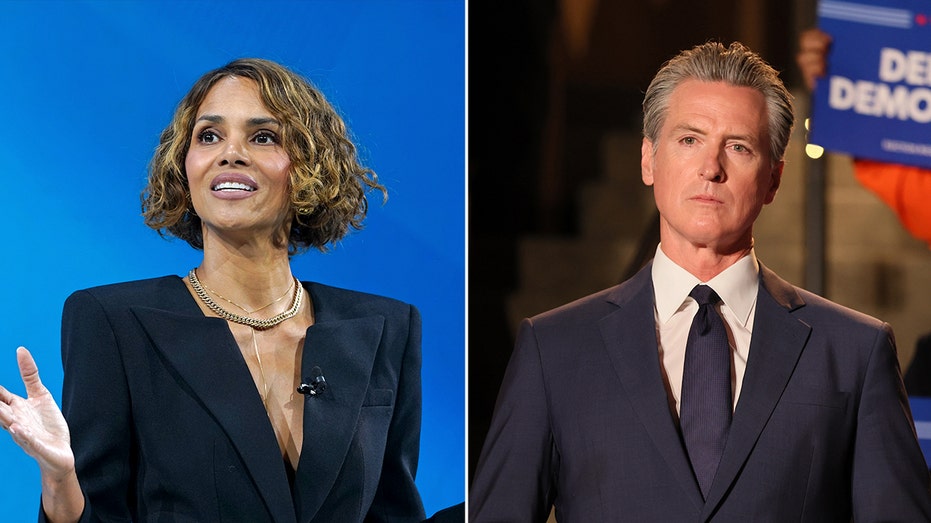
Halle Berry's blunt criticism of California Governor Gavin Newsom at the Dealbook Summit reverberates far beyond Hollywood gossip. Her condemnation — specifically targeting Newsom’s veto of a menopause care bill — sheds light on how systemic societal undervaluing of women, particularly as they age, continues to infiltrate public policy, cultural standards, and political calculations ahead of the 2028 presidential race.
The Bigger Picture: Gender, Aging, and Political Representation
Berry’s comments resonate within a long history of women’s health issues suffering from political neglect. Menopause care, despite affecting half the population, remains largely invisible in legislative agendas nationwide. The bill in question, AB 432, aimed to mandate insurance coverage and provider training for menopause — a crucial step given the documented gaps in midlife women’s healthcare outcomes. Newsom’s repeated veto of this reflects a broader trend where the healthcare needs of aging women are deprioritized or stigmatized, echoing historical patterns where women’s health concerns were dismissed.
Furthermore, her criticism comes as Newsom weighs a potential presidential bid in 2028, spotlighting the tension between a politician’s public ambitions and their record on gender equity. Amidst ongoing debates over women’s rights, reproductive health, and workplace equality, established male political figures are increasingly scrutinized not only for their policy stances but for their cultural empathy toward women’s lived realities. Berry’s pointed remark that Newsom “probably should not be our next president” underscores how gendered policy decisions can have broad electoral and cultural repercussions.
Ageism and the Cultural Devaluation of Women in the Spotlight
Berry's articulation of feeling "past my prime" at 59 unveils persistent cultural ageism intersecting with sexism. Hollywood’s obsession with eternal youth mirrors societal pressures that relentlessly push women to conform to unrealistic beauty and productivity standards. Berry’s admission of feeling pressured to resort to cosmetic surgery reveals an industry—and by extension, a culture—that equates women’s worth with youthfulness and appearance rather than experience and leadership.
This phenomenon is well documented in academic and industry research. For example, actresses over 40 face significantly fewer roles that present them as complex protagonists. Simultaneously, workplace studies show women over 50 often encounter invisible barriers to advancement or respect. Berry’s own founding of Respin, a menopause care company, embodies a pushback against this devaluation by turning personal experience into activism and economic participation.
Expert Perspectives
Dr. Vivian Thorp, a leading researcher on women's aging and healthcare policy, notes: "Menopause remains a taboo topic in many cultures, including the US, which results in inadequate clinical training and poor health outcomes. When policymakers veto legislation supporting education and care, it reflects a failure to recognize an essential demographic."
Political analyst Dr. Marcus Nguyen comments: "Newsom’s vetoes, paired with his presidential aspirations, present a potential political liability. In an era where voters, especially women, expect tangible support for gender equity, dismissing menopause care can signal dismissiveness toward women’s real issues, possibly undermining appeal among key electoral groups."
Data & Evidence
- A 2023 report from the National Institutes of Health highlighted that 50 million women in the U.S. are either perimenopausal or menopausal, yet less than 30% receive adequate medical counseling tailored to this transition.
- Analysis from the Annenberg Inclusion Initiative found that lead roles for women over 40 have declined by approximately 8% in mainstream Hollywood productions over the past decade, while roles emphasizing youthfulness increased, reinforcing ageism in entertainment.
- Polling data from Pew Research (2024) indicates that 65% of women voters aged 45-64 consider healthcare access a top priority, underscoring the political importance of policies like AB 432.
Looking Ahead: Political and Cultural Implications
Berry’s public stance is likely to amplify discourse around menopause as both a healthcare and cultural issue, potentially accelerating legislative momentum in other states or at the federal level despite setbacks in California. For Newsom, this controversy could shape his presidential viability by galvanizing women and progressive voters who demand more inclusive and responsive policy leadership.
Moreover, Berry’s critique spotlights how ageism and sexism remain intertwined barriers that institutions must address—not only in healthcare but in cultural representations and political leadership norms. If Hollywood continues evolving, with figures like Berry leading midlife advocacy, broader societal attitudes toward aging women may shift, fostering more inclusive narratives and policies.
The Bottom Line
Halle Berry's condemnation of Governor Newsom is more than a celebrity controversy—it is a lens into systemic patterns that devalue women’s health and contributions, particularly as they age. By coupling personal narrative with political critique, Berry challenges both cultural norms and governance failures that leave millions of women underserved. How Newsom and other leaders respond could profoundly influence politics, gender equity, and societal values as we approach the 2028 presidential cycle.
Topics
Editor's Comments
Halle Berry’s critique of Newsom intertwines personal narrative with systemic critique, spotlighting how political decisions on women’s health reflect broader cultural values around gender and aging. This moment challenges not just a governor’s record but invites reflection on societal progress in recognizing and supporting women’s healthcare needs. It also flags the potential electoral risks for candidates who fail to engage meaningfully with issues essential to half the population. As we approach 2028, the intersection of gender, health, and politics will intensify, making Berry’s remarks a bellwether for evolving voter expectations and cultural norms.
Like this article? Share it with your friends!
If you find this article interesting, feel free to share it with your friends!
Thank you for your support! Sharing is the greatest encouragement for us.