Balancing Openness and Security: US Prepares for 2026 World Cup’s Influx of Global Visitors

Sarah Johnson
December 5, 2025
Brief
An in-depth analysis of how the US prepares for the 2026 World Cup by balancing a surge in international visitors with robust security measures amid its 250th anniversary celebrations.
Opening Analysis
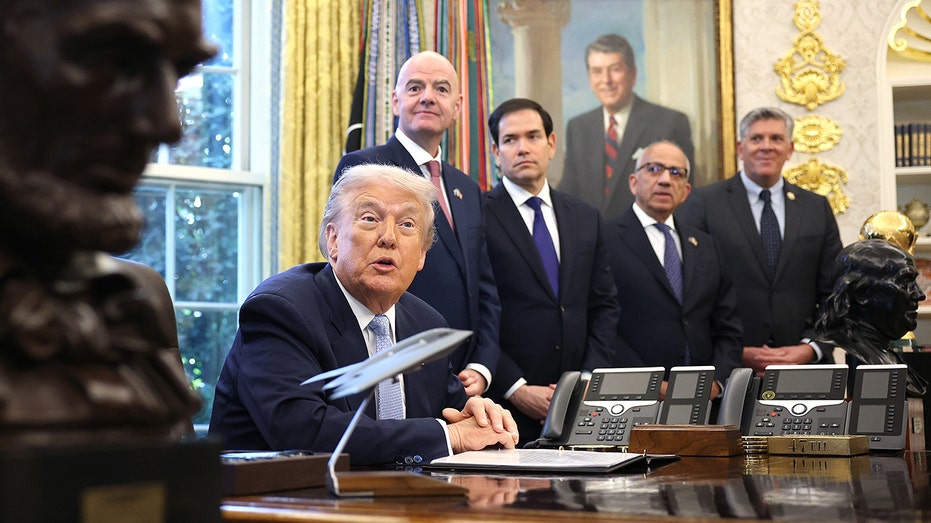
The United States is gearing up for an unprecedented influx of international visitors in 2026 as it hosts the majority of matches in the FIFA World Cup—coinciding with the nation’s 250th anniversary. This convergence of historic celebration and global sporting spectacle creates a complex logistical and security challenge. The Trump administration’s launch of the "FIFA Pass" visa program and a dedicated White House task force underscore a dual mandate: welcoming millions of global fans while maintaining rigorous national security protocols. This event not only tests U.S. immigration and security infrastructure but also signals how major global events can shape immigration policy and international diplomacy.
The Bigger Picture
The 2026 FIFA World Cup will be the first hosted primarily in the United States since 1994—an event that itself redefined soccer's popularity in the country and catalyzed economic growth in host cities. The scale of this tournament is much larger, jointly hosted with Canada and Mexico, marking a milestone in North American cooperation. Historically, major sporting events such as the Olympics and World Cups have acted as catalysts for infrastructure investment, tourism surges, and intensified diplomatic engagement. However, they have also exposed vulnerabilities in border security and visa systems, requiring innovations to accommodate millions of short-term visitors without compromising safety.
Past events like the 2010 Vancouver Winter Olympics and the 2012 London Olympics revealed how visa backlogs and security concerns could dampen the visitor experience and strain administrative resources. The U.S. now confronts a unique challenge amplified by its status as a key geopolitical target, heightened concerns over immigration and terrorism, and a complex post-9/11 visa landscape that demands rigorous vetting.
What This Really Means
The "FIFA Pass" initiative represents more than expedited visa appointments; it is a signal of how the U.S. seeks to balance openness with caution in a hyper-polarized immigration environment. On one hand, the program addresses a practical bottleneck: enabling millions of ticket holders to gain timely and equitable access to visitation, which is critical for the success of the event and associated economic windfalls measured in billions of dollars.
On the other hand, the administration’s emphasis on ensuring "the visa process is the front door to the United States" conveys a nuanced securitization strategy. The ramp-up in consular officers by 400 across key posts worldwide reflects a recognition that quantity must be matched by quality of vetting to guard against potential threats. This dual-track approach—scaling operational capacity while hardening security—signals an intricate balance rarely seen at this scale.
For host cities and local governments, the implications extend well beyond match days. Transportation networks, hospitality sectors, law enforcement, and emergency response systems must coordinate across federal, state, and municipal agencies to manage crowds, deter criminal activity, and ensure public health considerations, especially in a post-pandemic world. The World Cup serves as a stress test for the U.S. ability to project stability and safety amidst global scrutiny.
Expert Perspectives
Dr. Michael Barrett, former Homeland Security advisor: "The capacity to process millions of visitors with enhanced security is unprecedented, but the key lies in interagency coordination. The 'FIFA Pass' must integrate with intelligence-sharing to flag high-risk applicants without creating undue delays. This is a pivotal moment to demonstrate that security and openness are not mutually exclusive."
Dr. Ana Lucia Rivera, immigration policy analyst at the Migration Institute: "Expedited visa programs for event attendees could set a precedent for future immigration reforms. However, equity concerns remain—priority for World Cup fans should not overshadow regular applicants, and transparency is essential to prevent preferential treatment skewing towards wealthier attendees or certain countries."
Professor Samuel Kim, sports economist: "Mega-sporting events generate a substantial economic stimulus—in the case of the 1994 World Cup, the U.S. saw an estimated $5 billion boost in tourism revenues. For 2026, the stakes are higher with intensified global expectations and a longer multi-city event. Ensuring smooth, secure access for international visitors is crucial to maximizing economic and soft power gains."
Data & Evidence
- FIFA reported over 1 million tickets sold within the first month, underscoring enormous global interest.
- The State Department has reduced visa waiting times to under 60 days for 80% of worldwide applicants by expanding consular staffing by over 400 officers.
- Economic studies estimate that the 2026 World Cup could generate $14 billion in direct economic activity across the U.S., Canada, and Mexico combined.
- Post-9/11 visa policy reforms showed that enhanced security measures can slow visitor processing times, highlighting the critical need for accelerated yet thorough vetting systems ahead of the tournament.
Looking Ahead
The World Cup is a harbinger of how the U.S. might approach future large-scale international events amid evolving geopolitical tensions and persistent immigration debates. There will be close scrutiny on how the "FIFA Pass" manages demand surges without compromising security. Lessons learned will likely influence policy for events such as the Olympics, international summits, and next-generation tech expos.
Technology will play an increasing role—expect integration of biometric screening, AI-assisted risk assessment, and real-time data sharing across federal agencies to streamline and secure visitor processing. However, these advances must be weighed against privacy concerns and civil liberties debates.
Moreover, the event will showcase American hospitality and soft power during a symbolic year of 250th anniversary celebrations, shaping global perceptions of U.S. openness and innovation.
The Bottom Line
The 2026 FIFA World Cup in the United States is more than a sporting event; it is a national milestone that tests the efficacy and resilience of U.S. immigration and security systems. The Trump administration’s initiatives reflect recognition of these stakes—balancing rapid visa processing with stringent vetting. While the adaptations underway aim to set a new standard for managing massive international arrivals, ongoing challenges related to equity, interagency coordination, and civil liberties remain vital considerations. This event will leave a lasting imprint on how the U.S. manages its "front door" for global visitors during moments of historic significance.
Topics
Editor's Comments
This analysis highlights how the 2026 World Cup transcends traditional sports reporting by focusing on the intricate balance between welcoming large-scale global tourism and safeguarding national security. The Trump administration’s "FIFA Pass" program and staffing surge are tactical responses to unprecedented demand but raise broader questions about the future of US immigration policy during mega-events. Crucially, this event serves as a stress test not just for visa processing efficiency but for the very notion of equitable access amid a politically charged immigration climate. The true success of the tournament will hinge on seamless interagency coordination and the government’s ability to reassure both international visitors and domestic constituencies that safety and openness can coexist. Watching how these dynamics evolve could offer valuable lessons applicable to future events, from economic summits to humanitarian response scenarios.
Like this article? Share it with your friends!
If you find this article interesting, feel free to share it with your friends!
Thank you for your support! Sharing is the greatest encouragement for us.