Minneapolis ICE Operation: Unpacking the Complexities of Immigration Enforcement and Community Safety

Sarah Johnson
December 5, 2025
Brief
An in-depth analysis of the Minneapolis ICE operation reveals its impact on immigration enforcement, local sanctuary policies, community trust, and future public safety strategies amid complex social dynamics.
Why the Minneapolis ICE Operation Matters in the Broader Immigration and Public Safety Debate
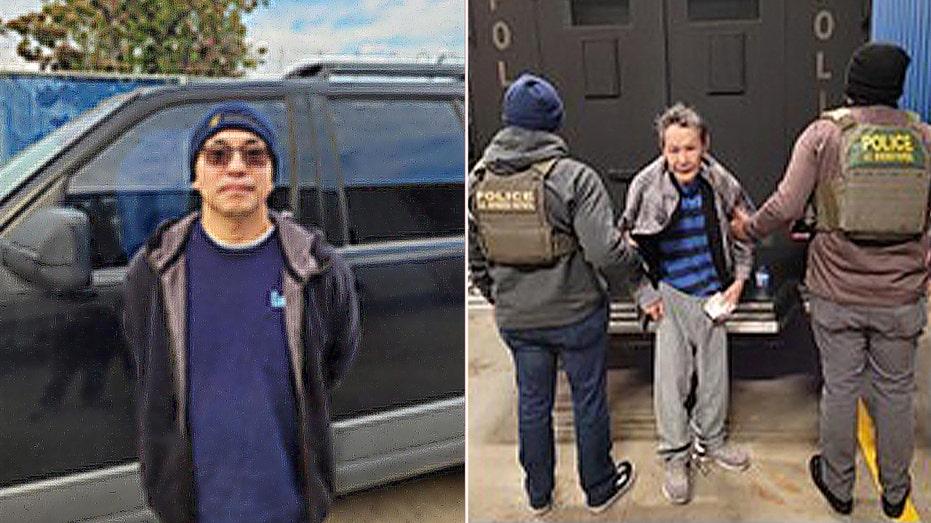
Recent arrests by U.S. Immigration and Customs Enforcement (ICE) in Minneapolis of a dozen criminal illegal immigrants—reported as including child sex offenders, domestic abusers, and gang members—have sparked intense political and social debate. While headlines focus on the dramatic roundup, unpacking this operation reveals critical insights about the complex interplay between immigration enforcement policies, local governance, community safety, and social integration of immigrant populations. This event is a microcosm of enduring conflicts over sanctuary policies, public safety priorities, and immigration reform that continue to challenge American cities.
The Bigger Picture: Historical Context of Immigration Enforcement and Sanctuary Policies
ICE operations targeting “the worst of the worst” criminals are not new; they fit within a tradition of federal efforts to prioritize deportations of individuals who have committed serious offenses to protect public safety. However, the backdrop of sanctuary city policies—designed to limit cooperation between local law enforcement and federal immigration authorities—adds complexity. Since the 1980s, sanctuary policies have expanded across progressive jurisdictions aiming to build trust between immigrant communities and police to encourage crime reporting and reduce racial profiling. Minneapolis, with its substantial Somali immigrant community dating back to the 1990s as a refugee resettlement site, exemplifies this dynamic.
Political leadership, including Governor Tim Walz and Mayor Jacob Frey, has embraced sanctuary policies, arguing they create safer, more inclusive communities. Critics, including DHS officials cited in this operation, view these policies as fostering loopholes exploited by dangerous individuals. This tension speaks to broader national debates on balancing civil liberties, immigrant rights, and enforcement priorities, which have ebbed and flowed with changing presidential administrations.
What This Really Means: Implications for Public Safety and Social Cohesion
The arrest of Somali nationals with alleged gang affiliations and serious crimes highlights several layered implications. First, it exposes challenges within immigrant communities involving integration, social marginalization, and criminality. Somali immigrants, while overwhelmingly law-abiding and contributing to society—as elected officials, teachers, and health professionals frequently emphasize—face socioeconomic hurdles including poverty, discrimination, and trauma from displacement, factors that can enable criminal elements to gain footholds.
Moreover, the controversy around plea deals allowing convicted offenders to avoid prison time, as in the reported sex offender’s case, signals systemic issues within local criminal justice systems that may unintentionally imperil safety. Federal authorities stepping in underscores frustrations with the perceived inability or unwillingness of local jurisdictions to enforce harsher penalties. This friction between local governance philosophies and federal enforcement priorities fuels polarized discourse, often exploited in political rhetoric.
The operation also impacts community trust. Somali and other immigrant communities may feel stigmatized or targeted, reinforcing fears and hindering cooperation with law enforcement. This could paradoxically undermine crime prevention efforts. The positive contributions of immigrant communities risk being overshadowed by focus on a small subset of offenders, complicating social cohesion efforts.
Expert Perspectives
Dr. Nazli Yusuf, Professor of Migration Studies: "Minneapolis’ Somali population represents a vibrant community grappling with the aftermath of displacement and integration stress. While isolated criminal cases attract media attention, they must be contextualized within broader structural challenges including economic disenfranchisement and lack of youth opportunities."
Michael Horowitz, Former DOJ Inspector General: "Effective public safety requires collaboration between federal and local law enforcement. Sanctuary policies complicate this, but a knee-jerk federal crackdown without community engagement risks alienating immigrant populations and reducing overall trust in the system."
Linda Ramirez, Immigration Policy Analyst: "Operations focusing solely on 'worst of the worst' criminals attempt to reconcile enforcement with humanitarian considerations. However, they also reveal gaps in local criminal justice responses, which sometimes result in plea bargains that undermine deterrence."
Data & Evidence
According to Department of Homeland Security data, criminal aliens constitute a small fraction of the total undocumented population—estimates around 4-8% in various studies—though they disproportionately attract enforcement resources. In Minneapolis, Somalis form the city's largest Black immigrant group, with an estimated 40,000 individuals, contributing significantly to the labor force and civic life. Yet, local law enforcement data have shown rising concerns about gang activity linked to second-generation immigrants in some neighborhoods. The operation’s timing, starting December 1, follows increasing calls from federal authorities to intensify enforcement in sanctuary jurisdictions nationwide.
Looking Ahead: What to Watch For
Future developments may hinge on several factors. First, legal outcomes for those arrested will be closely monitored; whether convictions lead to meaningful sentences will influence public perception of justice efficacy. Secondly, political responses are pivotal: Minneapolis leaders may face pressure to reassess sanctuary policies or invest more in community policing and integration programs.
At the federal level, the Biden administration’s immigration enforcement policies continue to evolve, emphasizing a balance between humane enforcement and public safety. How this balance is struck will affect immigration dynamics not only in Minneapolis but other sanctuary cities nationwide. Additionally, monitoring whether community engagement strategies improve trust or if polarization deepens will be important to gauge longer-term social stability.
The Bottom Line
The Minneapolis ICE operation spotlights how immigration enforcement intersects with local policy, immigrant integration challenges, and public safety concerns. It is a reminder that criminality within immigrant populations, while real, is a multifaceted issue embedded in broader socioeconomic and political contexts. Effective responses require nuanced, evidence-based approaches that combine enforcement with community support and systemic justice reforms. Otherwise, there is a risk of further polarizing discourse and undermining the very safety such operations seek to enhance.
Topics
Editor's Comments
This ICE operation, while focused on criminals posing clear public safety risks, underscores the ongoing conflict between federal immigration enforcement objectives and local sanctuary policies. What stands out is the complexity of immigrant community dynamics—particularly within Minneapolis' Somali population—that are too often simplified into ‘good’ or ‘bad’ immigrant narratives. The structural challenges faced by immigrant communities, including trauma, economic hardship, and systemic racial biases, are critical factors that law enforcement and policymakers must address. Moreover, the tension between local judicial discretion, such as plea bargains, and federal enforcement highlights divergent priorities in the criminal justice system. Moving forward, an integrated approach combining targeted enforcement with robust social and legal support mechanisms is necessary to restore community trust and achieve lasting public safety improvements. Otherwise, operations like this risk deepening divisions and distracting from the broader goal of equitable justice.
Like this article? Share it with your friends!
If you find this article interesting, feel free to share it with your friends!
Thank you for your support! Sharing is the greatest encouragement for us.