House Exodus Endangers Mike Johnson’s Hold as Over 40 Members Plan Departure Amid Turmoil

Sarah Johnson
December 4, 2025
Brief
Over 40 House members plan to exit Congress in 2025, threatening Speaker Mike Johnson's narrow majority amid safety concerns, political rancor, and systemic institutional strain, signaling deeper challenges for US governance.
Why the Congressional Exodus Matters: A Crisis Underneath the Surface of American Governance
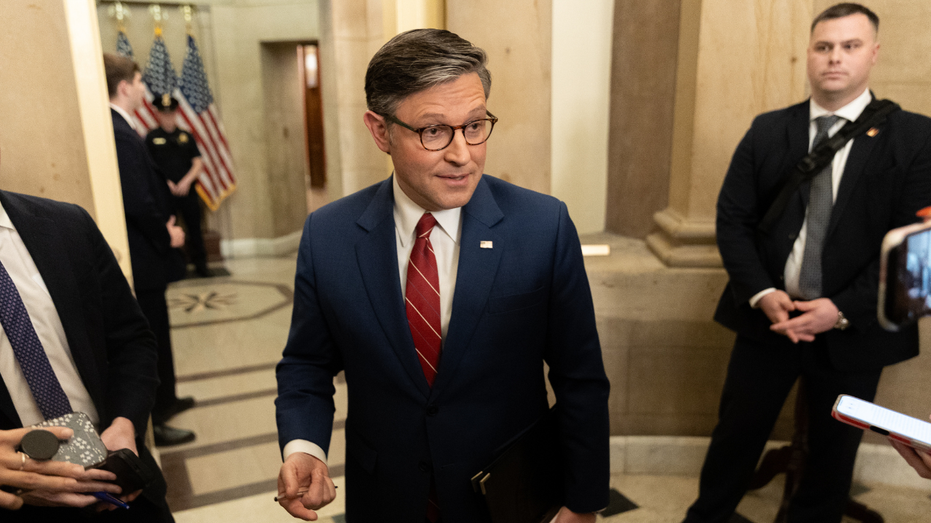
The recent announcement that over 40 members of the House plan to leave Congress this year signals more than a routine wave of retirements or election losses — it raises urgent questions about the stability of Speaker Mike Johnson's slim majority and the broader health of American democratic institutions. This phenomenon, while not unprecedented, points to deeper fissures within the legislative branch that risk undermining effective governance at a time when legislative action is critically needed. In an era marked by rising political polarization, threats to lawmakers’ safety, and growing disillusionment with public service, this mass departure serves as a symptom of systemic challenges reshaping Congress.
The Bigger Picture: A Pattern Rooted in Contemporary Political Strains
Historically, turnover in Congress is not unusual. Data since 2017 show fluctuating but consistently high rates of attrition among House members — 46 exits in 2017, 36 in 2023, and now over 40 projected in 2025 by this point in the session. While some degree of churn is natural in any legislative body, the consistency and scale of these departures highlight escalating pressures on members. Key drivers include rising hostility both within the chamber and from external actors, including frequent disciplinary efforts against colleagues and public controversies, such as the sparring between prominent figures like Marjorie Taylor Greene and other members. The backdrop of a nearly two-month government shutdown earlier this year also contributed to widespread frustration over legislative gridlock and the erosion of civility.
Perhaps most striking is the prominent role that concerns about personal safety have come to play. Members report elevated threats not only against themselves but also their families and aides — a chilling development that threatens the fundamental principle that legislators should work without fear of violence or intimidation. This exacerbates an already discouraging environment of burnout, exhaustion, and declining enthusiasm for the political process.
What This Really Means: Implications for Governance and Party Dynamics
The exiting members represent a loss of institutional memory, expertise, and constituency relationships. This turnover risks weakening Speaker Mike Johnson’s already narrow Republican majority, complicating efforts to pass legislation and maintain party discipline. Historically, a high rate of pre-election departures tends to signal electoral vulnerability, as parties prone to internal fractures often suffer seat losses in subsequent contests. For Johnson, this volatile landscape poses tangible peril to his grip on power and the Republican agenda.
Moreover, the departures reflect broader systemic issues in American politics — the increasing toxicity of partisanship and the diminishing appeal of public service roles. As members question whether the cost of public office outweighs the benefits, our democratic representation jeopardizes becoming a revolving door for political careers rather than a stable forum for policymaking.
Expert Perspectives: Contextualizing Congressional Instability
Dr. Jane Thompson, a political scientist specializing in legislative studies, underscores the significance: "High attrition rates in Congress often precede shifts in party control and reflect broader dissatisfaction with political dynamics. The increasing threats to personal safety represent a disturbing departure from norms that protected lawmakers as public servants." Meanwhile, former Congressman Robert Ellis highlights the human toll: "Serving in today’s Congress demands resilience in the face of unprecedented pressures — from constituents, media, and threats — making it harder to retain experienced members." Elliott Reynolds, a senior analyst at the Center for Democratic Governance, points out that "the near record turnover disrupts policy continuity and deepens polarization, as new entrants often mirror the more extreme ideological profiles shaping current legislative battles." These expert insights collectively stress the gravity of the ongoing exodus beyond surface electoral calculations.
Data & Evidence: Trends in Congressional Attrition and Political Violence
Quantitative data corroborate these observations. According to the Congressional Research Service, average turnover rates hovered around 10%-15% per session since 2000, but recent years show spikes as high as 20%, aligning with the current exodus. Parallel metrics from the Congressional Security Service indicate a 40% increase in reported threats against lawmakers since 2020, creating an unprecedented climate of risk. Polling data also reveal a steady decline in public trust toward Congress, now languishing near historic lows around 20%-25%, exacerbating members’ fears of electoral backlash and intensifying partisan hostilities.
Looking Ahead: Risks, Consequences, and What to Watch
Moving forward, the House faces a precarious path. Speaker Johnson’s public dismissal of further expected resignations contrasts with reports of worried Republicans contemplating early exits, underscoring potential fractures within the party. If attrition continues to erode Republican ranks, the balance of power could tip unexpectedly, impacting legislative agendas on critical issues such as infrastructure, healthcare, and national security.
More broadly, the trend threatens to deepen congressional dysfunction by instilling a climate of uncertain leadership, diminished collaboration, and short-termism. Efforts to enhance member security, improve workplace civility, and rebuild political trust will be essential to reversing momentum. Observers should monitor not only formal resignations but also informal signals such as reduced attendance, increased vote absenteeism, and intraparty disputes for early warnings of further destabilization.
The Bottom Line
The exodus of over 40 House members in 2025 is a red flag signaling systemic challenges in the U.S. Congress—rooted in political polarization, safety concerns, and institutional fatigue. This mass departure jeopardizes Speaker Mike Johnson’s fragile majority and reflects broader crisis points threatening American legislative governance. While turnover is part of democracy, the scale and underlying causes demand urgent attention to preserve the functionality and representativeness of the House. Without substantive reforms and renewed commitment to safeguarding public servants, the risks to legislative stability and democratic health will only deepen.
Topics
Editor's Comments
This wave of resignations is a warning sign that extends beyond simple political calculations. It forces us to confront the human and institutional toll of the increasingly toxic political environment. The challenges faced by Congress today are not just partisan; they reflect a crisis in democratic governance where the very nature of public service is under strain. Will Speaker Johnson's leadership be able to hold the fracturing party together? And more importantly, can Congress adapt to protect itself and its members in a way that rebuilds trust and functionality? These are fundamental questions that need answers to avoid further erosion of this vital institution.
Like this article? Share it with your friends!
If you find this article interesting, feel free to share it with your friends!
Thank you for your support! Sharing is the greatest encouragement for us.