Ilhan Omar, ICE, and Minnesota: What a Single Traffic Stop Reveals About America’s Immigration Crossroads

Sarah Johnson
December 16, 2025
Brief
Ilhan Omar’s claim ICE stopped her U.S.-born son in Minnesota reveals deeper tensions between aggressive immigration enforcement, racial profiling, and citizenship rights in Somali American communities. Here’s what’s really at stake.
ICE, Ilhan Omar’s Son, and Minnesota: What a Traffic Stop Reveals About America’s Immigration Crossroads
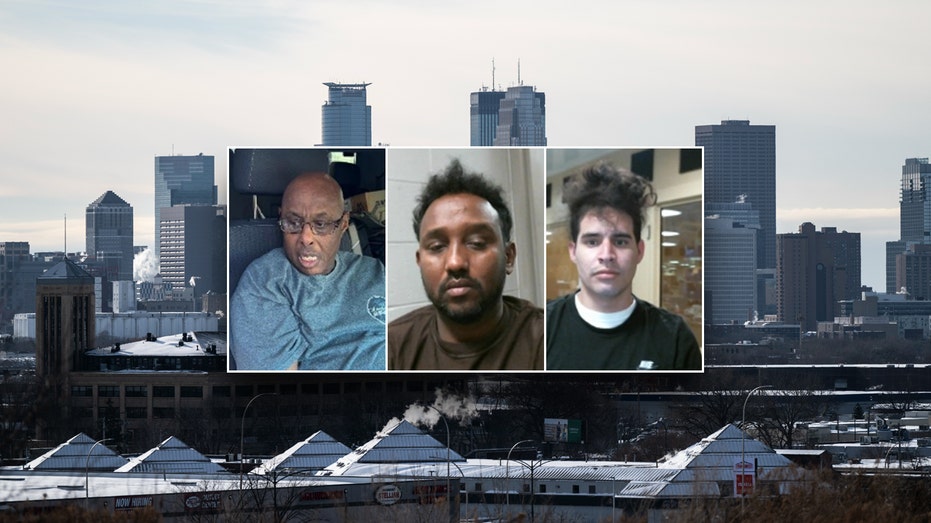
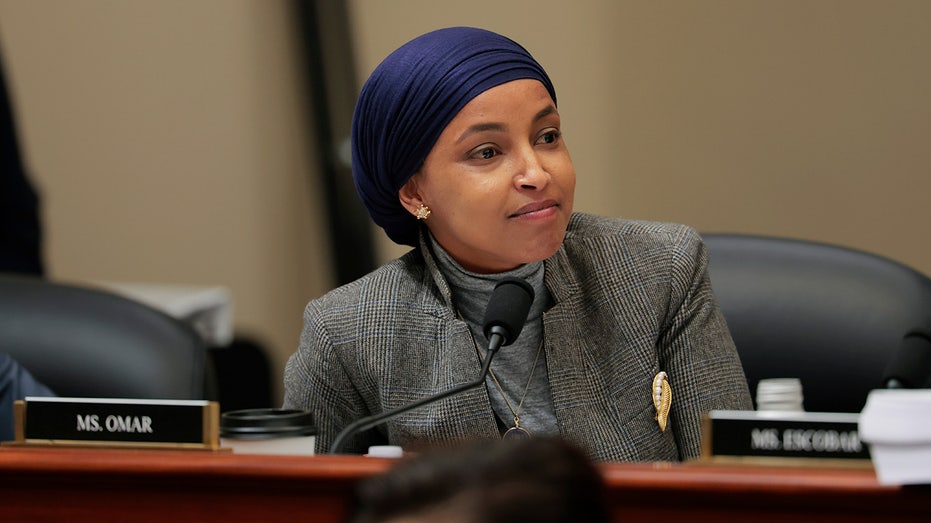
The story of Rep. Ilhan Omar’s U.S.-born son being stopped by ICE outside a Target in Minnesota is not just about one encounter. It’s a collision point between aggressive federal immigration enforcement, racial profiling concerns, and a decades-long political battle over who is seen as “American” in the first place. What looks like a routine ID check is, in reality, the visible tip of a much deeper struggle over power, identity, and public safety.
A Traffic Stop That Symbolizes a Policy Strategy
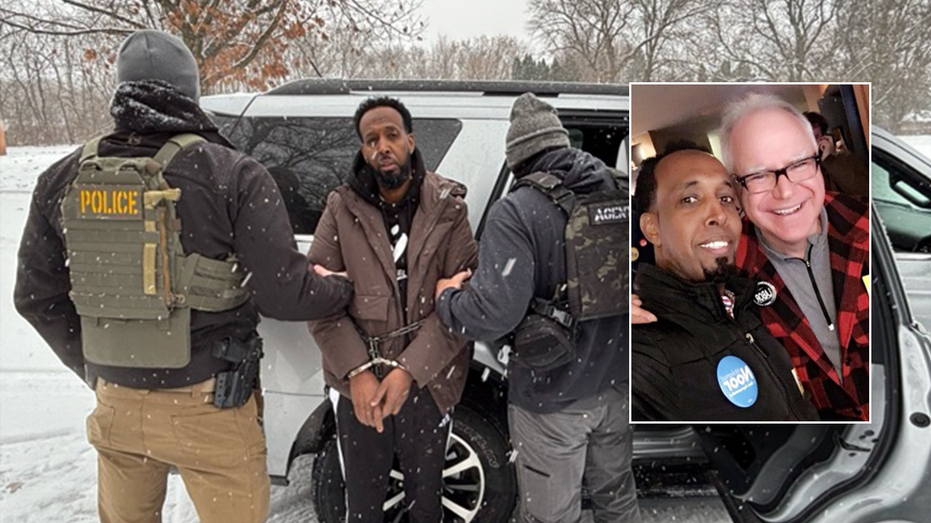
Omar says her son was pulled over by ICE during a sweep under “Operation Metro Surge,” a federal crackdown that has reportedly netted more than 400 undocumented immigrants, including individuals described by ICE as “pedophiles, rapists and violent thugs.” On paper, this is a familiar framing: a targeted operation against dangerous criminals. On the ground, however, her account of a U.S. citizen stopped on the basis of appearance, and the governor’s claim of multiple citizens being arrested or detained, points to something more complicated.
This kind of story matters because it goes to the core question of modern U.S. immigration enforcement: is the system designed to surgically target dangerous offenders, or is it increasingly functioning as a broad, suspicion-based dragnet that catches citizens and legal residents in the process—especially those who are Black, Muslim, or from immigrant communities?
How We Got Here: From 9/11 to the Trump Era and Beyond
To understand this moment in Minnesota, it helps to zoom out two decades.
Post-9/11 securitization. After 9/11, immigration was reframed as a national security issue. The creation of the Department of Homeland Security (DHS) and ICE in 2003 consolidated enforcement powers. Muslim, Arab, and South Asian communities quickly became subject to surveillance and selective enforcement; Somali Americans in Minnesota, many refugees from civil war, were swept up in that climate.
Local-federal tension. Over the 2010s, many cities and states, including Minnesota’s urban centers, moved toward “sanctuary” policies or similar practices limiting local cooperation with federal immigration authorities. Federal agencies responded with higher-profile “surge” operations in places they saw as non-cooperative jurisdictions. These operations, by design, happen in the very communities already distrustful of federal law enforcement.
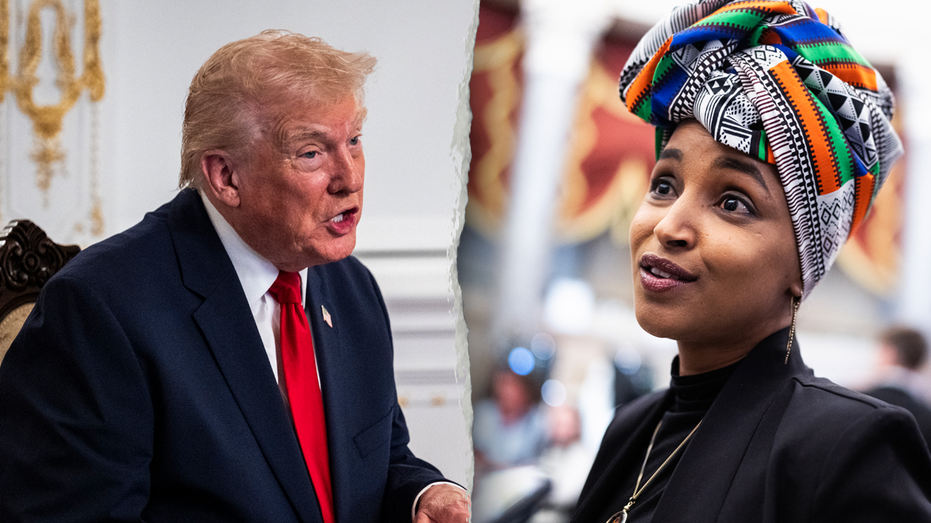
The Trump-era rhetoric. The quotes in this story—calling Somali migrants “garbage,” describing Somalia as “barely a country,” and telling people to “go back” if they “complain”—are not rhetorical outliers; they are part of a strategy. Painting whole communities as inherently dangerous or ungrateful provides political cover for broad sweeps. When a population is framed as a threat, aggressive enforcement against anyone who looks like they belong to that group becomes easier to justify.
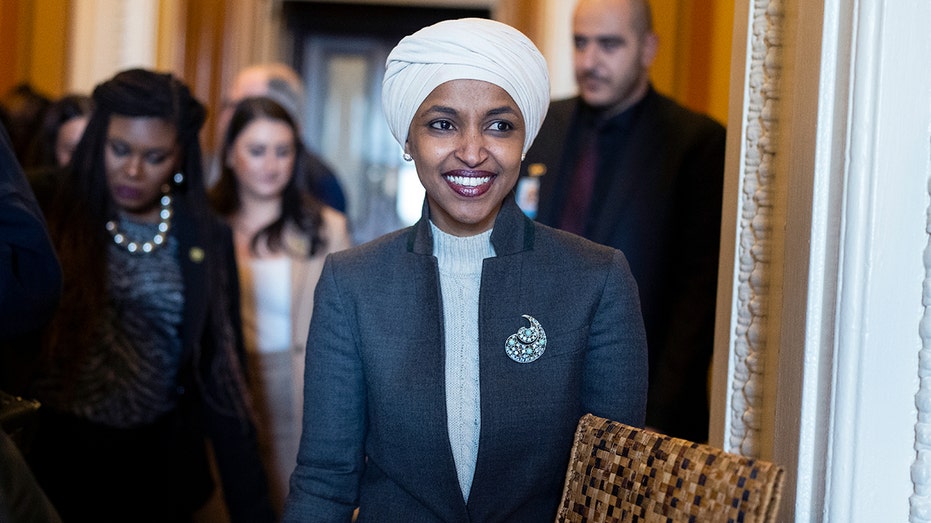
Minnesota, home to one of the largest Somali diasporas in the world, has been a recurring political foil in this narrative. Omar herself has been turned into a symbol—either of American pluralism or of perceived foreignness, depending on the political lens. In that context, the reported stop of her son is not an isolated mistake; it’s structurally plausible.
Racial Profiling vs. “Targeted” Enforcement: The Structural Tension
ICE insists operations like Metro Surge are aimed at “criminal aliens,” but several structural realities make racial profiling more likely than agencies admit:
- Appearance as a proxy for status. Immigration status is not visible. In practice, officers often rely on accents, language, neighborhood, and skin color as cues. In a state where “Somali” is socially linked with “refugee” or “immigrant,” young Somali American men become default targets, regardless of citizenship.
- Databases and errors. Immigration enforcement depends on a patchwork of incomplete databases. Studies have documented U.S. citizens mistakenly tagged as removable due to data errors or name matches. Once an operation is underway, those errors turn into real-world stops and detentions.
- Incentives to show results. Large sweeps are often touted with big numbers of arrests. That creates pressure to cast a wide net, which can dilute the originally stated focus on serious criminals and increase the chances of stopping people solely based on suspicion and profile.
Omar’s detail that her son routinely carries his passport “because he fears being mistaken for an illegal immigrant” is telling. Passports are not required for daily life in the U.S. If a U.S.-born citizen feels compelled to carry one simply to prove he belongs, that’s an implicit admission that appearance alone can trigger state scrutiny.
Why Minnesota Is a Flashpoint
Minnesota is not just another state in the immigration debate; it is a laboratory for how America handles a new kind of diversity.
- Somali diaspora hub. The Minneapolis–St. Paul area is home to an estimated 50,000+ Somali Americans, many arriving as refugees in the 1990s and 2000s. They are now in every sector—business, education, public office—yet remain frequent subjects of national security and integration debates.
- Political representation. Ilhan Omar’s election to Congress signaled that refugees’ children are not just residents but power-holders. For some, that is the success story of American integration. For others, it’s a trigger for nativist backlash and accusations of divided loyalty.
- Law-and-order vs. inclusion politics. Minnesota has simultaneously cultivated a progressive image and become a battleground over police violence (George Floyd) and public safety. Now that tension extends into federal immigration enforcement: how do you maintain safety without criminalizing entire communities?
Governor Tim Walz’s reaction—framing the stop as racial profiling and warning about erosion of “trust between Minnesota communities and federal authorities”—is notable because it comes from the executive managing that balance. When a governor accuses federal authorities of repeatedly detaining citizens, it signals a serious breakdown in coordination and confidence.
The Legal and Civil Rights Dimensions
Allegations that U.S. citizens are being stopped or arrested raise key legal and constitutional concerns:
- Fourth Amendment. Law enforcement cannot stop and detain individuals without reasonable suspicion. If U.S. citizens are being approached primarily because they “look Somali,” that raises classic Fourth Amendment and equal protection questions.
- Due process protections. Governor Walz’s letter notes that citizens documenting federal activity were allegedly arrested. If true, that brushes up against First Amendment protections and long-standing rights to monitor public officials.
- Pattern and practice. Civil rights groups have previously used “pattern or practice” litigation to challenge systemic profiling by police and federal agencies. Walz’s phrase “troubling pattern” hints at the possibility of future legal challenges if data confirm disproportionate targeting of Somali or Black Minnesotans.
Historically, when law enforcement oversteps in this way—think of post-9/11 Muslim registration programs (NSEERS) or stop-and-frisk in New York—courts and public opinion eventually push back. But that process often takes years, during which communities grow deeply alienated from law enforcement.
Security vs. Community Trust: What Actually Makes People Safer?
Supporters of aggressive ICE operations argue that removing serious offenders makes communities safer. They point to cases—like the convicted child killer cited in the same enforcement sweep—as justification. Opponents counter that sweeping tactics erode trust, making victims and witnesses less likely to report crimes, which can ultimately undermine safety.
Criminological research generally supports the idea that cooperation between communities and law enforcement is a critical ingredient in crime prevention. When residents fear that calling the police could bring ICE to their door—or that young men can be stopped simply for “looking Somali”—they are less likely to engage with authorities at all, whether federal or local.
In a state still grappling with the fallout from the murder of George Floyd and a crisis of trust in policing, federal actions that echo profiling patterns risk compounding an already fragile situation.
What’s Often Missing in Mainstream Coverage
Most headlines focus on the personalities—Omar vs. Trump, ICE vs. Walz. What often gets lost are the structural stakes:
- These operations can quietly redefine the boundary between citizen and non-citizen in practice, if not in law. When citizens feel they must constantly prove their status, citizenship becomes a conditional privilege, not a guaranteed right.
- The normalization of group-based suspicion against Somali Americans today can easily be repurposed against other groups tomorrow. Once the infrastructure for broad suspicion-based enforcement is built, it rarely stays confined.
- There is little public transparency about error rates—how often ICE misidentifies citizens or legal residents—and almost no systemic accountability mechanisms for those mistakes.
This particular incident—Omar’s son being let go once he produced a passport—might be described by some as “the system working.” But from a civil liberties perspective, the fact that a citizen needed extra documentation to avoid deeper scrutiny is exactly the problem.
Expert Perspectives
Immigration and civil rights experts see the Minnesota episode as part of a broader pattern.
On racial profiling in immigration enforcement: Studies by groups such as the Migration Policy Institute and the American Civil Liberties Union have documented cases where U.S. citizens were held by immigration authorities for hours or even days due to mistaken identity or profiling. Black and brown citizens are disproportionately vulnerable to these errors.
On long-term integration: Sociologists studying refugee communities argue that when second-generation Americans face state suspicion despite full legal citizenship, it undercuts integration. Instead of developing a strong sense of belonging, young people internalize the message that they are permanently “on probation” in their own country.
On political rhetoric shaping enforcement: Security analysts note that when national leaders use dehumanizing language about specific communities—calling them “garbage” or depicting their countries of origin as inherently violent—it influences agency culture, even if unofficially. It becomes easier for agents to see certain people as presumptive threats rather than rights-bearing individuals.
What to Watch Next
Several key questions will determine whether this becomes a passing controversy or a turning point:
- Data transparency. Will ICE or DHS release data on how many U.S. citizens were stopped, detained, or arrested in Operation Metro Surge? Without hard numbers, debates will remain ideological rather than evidence-based.
- State pushback. Governor Walz has already called for a reassessment. Will Minnesota move to more aggressively limit cooperation with ICE, or even pursue litigation? That would escalate this from a policy disagreement into a federalism battle.
- Community response. Somali American and broader immigrant communities in Minnesota have mobilized successfully before—on issues from counterterrorism surveillance to local policing. Their organizing response could shape how far federal agencies are willing to go.
- National ripple effects. Other states with large immigrant and refugee populations will be watching. If Minnesota successfully pushes back or secures concessions, it could embolden similar challenges elsewhere.
The Bottom Line
At first glance, the story of Ilhan Omar’s son being stopped and then released by ICE might look like a minor episode in a charged political climate. In reality, it encapsulates a profound tension in American democracy: whether citizenship and belonging are guaranteed by law or conditioned on appearing and behaving in ways that satisfy those in power.
The Minnesota enforcement sweep, the rhetoric surrounding Somali communities, and the allegations of racial profiling together highlight a dangerous drift toward treating whole populations as presumptively suspect. Whatever one’s views on immigration policy, that drift has consequences that extend far beyond the borders of any single state—and will shape how millions of Americans experience their own country in the years ahead.
Topics
Editor's Comments
What’s striking about this story is how normalized it has become for citizens of color, especially those from visibly immigrant communities, to pre-emptively carry proof of their right to exist in public space. Omar’s son carrying a passport to shop at Target is not just a human-interest detail; it’s an indictment of how conditional citizenship feels for many Americans. We should ask harder questions about error rates and accountability inside ICE—how often do they stop the wrong person, and what happens when they do? Those statistics are rarely disclosed. Another underexplored angle is how local law enforcement navigates these operations: do they accompany ICE, quietly resist, or try to buffer community fallout? Finally, we ought to resist viewing this as a uniquely ‘Minnesota’ problem. The same tools and logic that enable targeting of Somali Americans today can easily be redirected toward other communities tomorrow, especially if political winds shift. That’s why the principles at stake here—due process, equal protection, and the practical meaning of citizenship—deserve far more scrutiny than the personalities dominating the headlines.
Like this article? Share it with your friends!
If you find this article interesting, feel free to share it with your friends!
Thank you for your support! Sharing is the greatest encouragement for us.