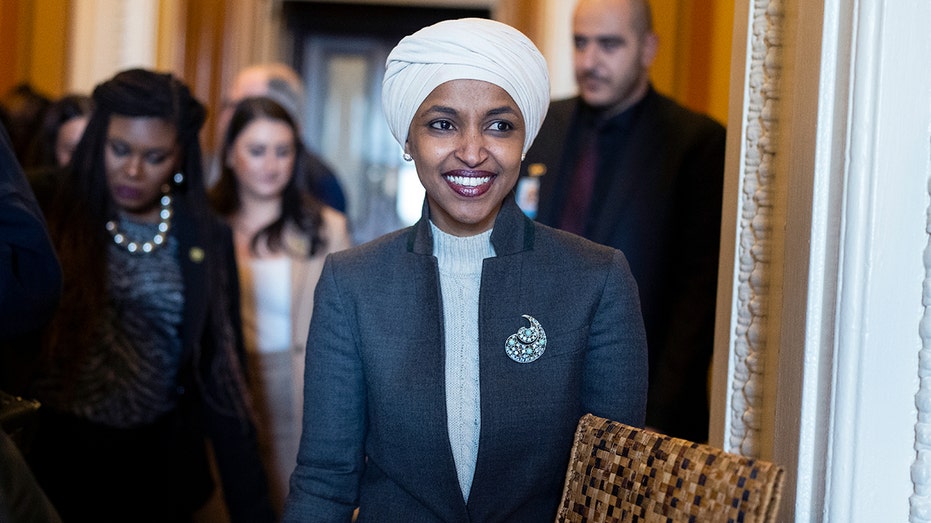
Ilhan Omar, Marriage Allegations, and the Weaponization of Immigration Scandals

Sarah Johnson
December 16, 2025
Brief
Beyond headlines on Ilhan Omar’s alleged marriage fraud, this analysis examines how refugee paperwork, partisan media, and selective enforcement shape who is seen as legitimately American—and why this fight matters.
Ilhan Omar, Marriage Allegations, and the Weaponization of Immigration Scandals
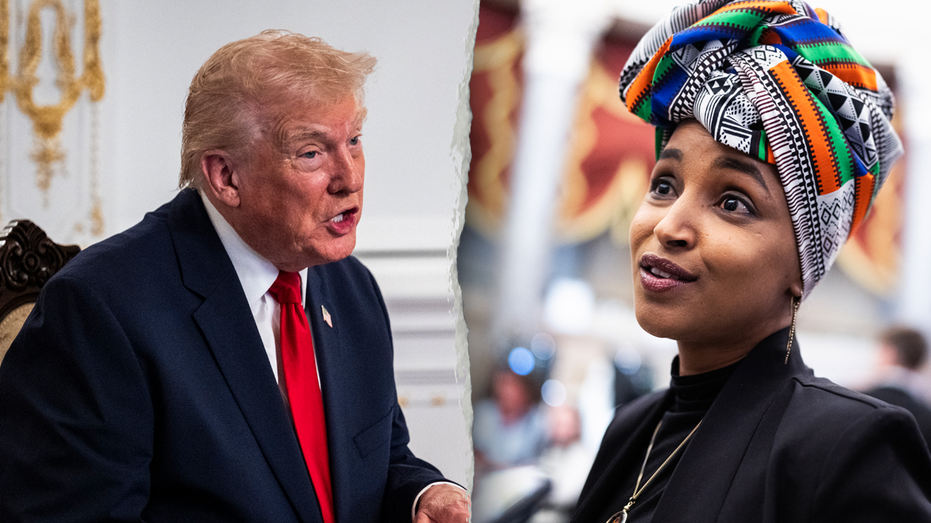
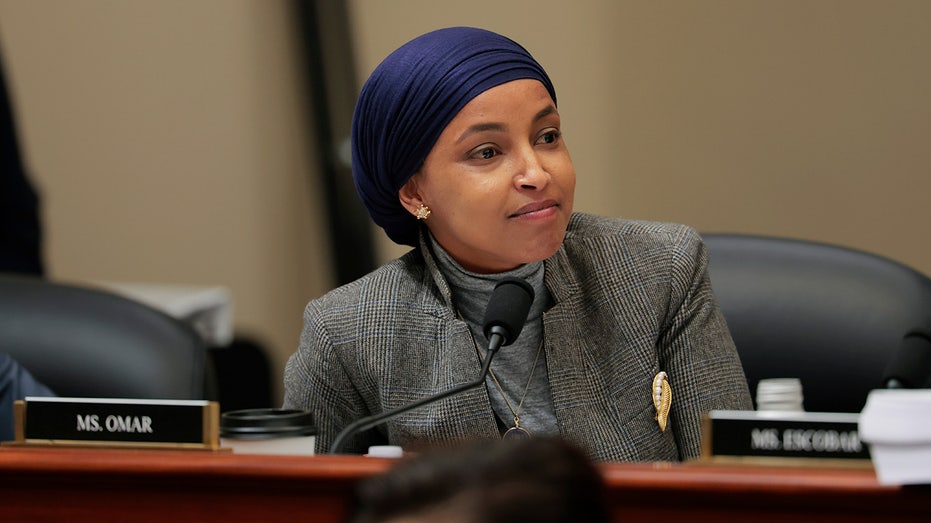
Rep. Ilhan Omar’s sharp rebuke of Republicans as “sick” for pursuing renewed scrutiny of long-circulating claims about her marriage history is about far more than one lawmaker’s personal life. It sits at the crossroads of immigration politics, the criminalization of paperwork errors, partisan media ecosystems, and the broader struggle over who gets to define “American legitimacy” in public life.
The latest flashpoint stems from comments by former ICE official Tom Homan, who says federal records related to Omar’s alleged “marriage fraud” are being reviewed, and from Sen. Ted Cruz’s suggestion that she could face exposure under federal marriage fraud statutes, state incest law, and tax fraud provisions if the allegations are proven. Omar dismisses the effort as politically motivated harassment, while her critics frame it as basic rule-of-law enforcement.
Understanding what’s really going on requires stripping away the sensationalism and situating this controversy within a much longer history of how immigration law, family structure, and political identity are policed in the United States.
The Bigger Picture: How Immigration Paperwork Becomes a Political Weapon
Disputes over family relationships in immigration cases are not new. Since at least the 1990s, immigration officers have scrutinized marriages and family claims from immigrants from war-torn or collapsed states—Somalia, Liberia, Afghanistan, among others—where formal recordkeeping is fragmented or nonexistent. In those environments, the U.S. system’s demand for Western-style documentation clashes with how kinship, marriage, and clan networks actually operate on the ground.
Somali refugees in particular have long faced higher levels of document-based suspicion because:
- Many arrived after fleeing civil war, with incomplete or reconstructed records.
- Extended family structures and naming conventions do not map cleanly onto U.S. forms asking for neat nuclear-family relationships.
- U.S. authorities have periodically launched focused crackdowns on Somali immigration benefits, including DNA-testing campaigns to verify family reunification claims.
Against this backdrop, the allegations about Omar—that she allegedly married a relative for immigration purposes—tap into a pre-existing narrative that some refugee communities “game the system.” Politically, this serves a dual function: it discredits an outspoken critic of restrictive immigration policy while reinforcing a broader suspicion of refugee and immigrant communities as inherently suspect.
What’s Really at Stake: Identity, Power, and the ‘Right’ to Belong
On the surface, the story is framed as a legal question: did Ilhan Omar commit immigration, marriage, or tax fraud? But the persistence and intensity of the scandal reveal a deeper struggle over who has the right to fully claim American identity and political power.
Omar is one of the most visible Muslim and refugee-background politicians in the country, and a progressive lightning rod. Allegations of fraud, even unproven, carry three powerful political effects:
- Delegitimization. Suggesting that her path to citizenship or office was built on deception undermines her authority to speak on immigration, policing, and foreign policy. For critics, the implication is: she’s not just wrong, she’s not really supposed to be here.
- Deterrence. The aggressive pursuit of personal-life investigations into a refugee-turned-lawmaker sends a broader message to aspiring candidates from similar backgrounds: enter politics, and your entire family history becomes open season.
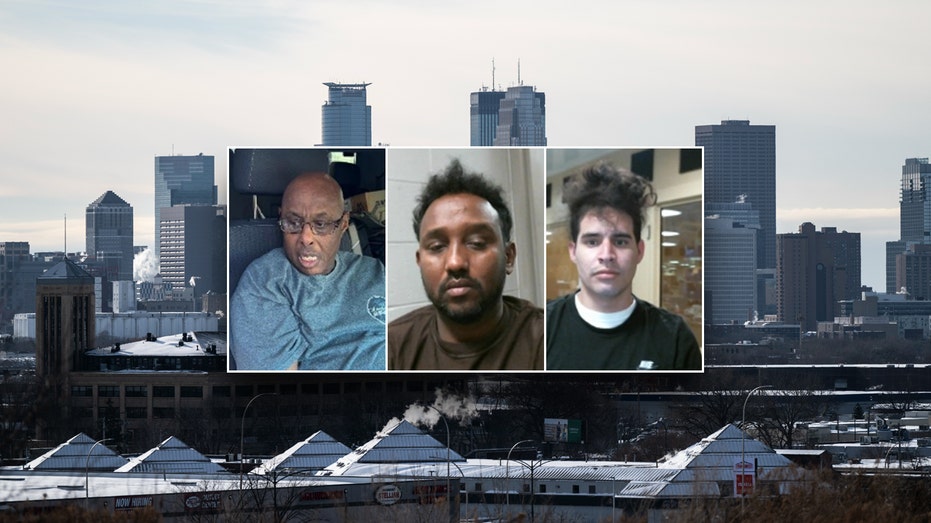
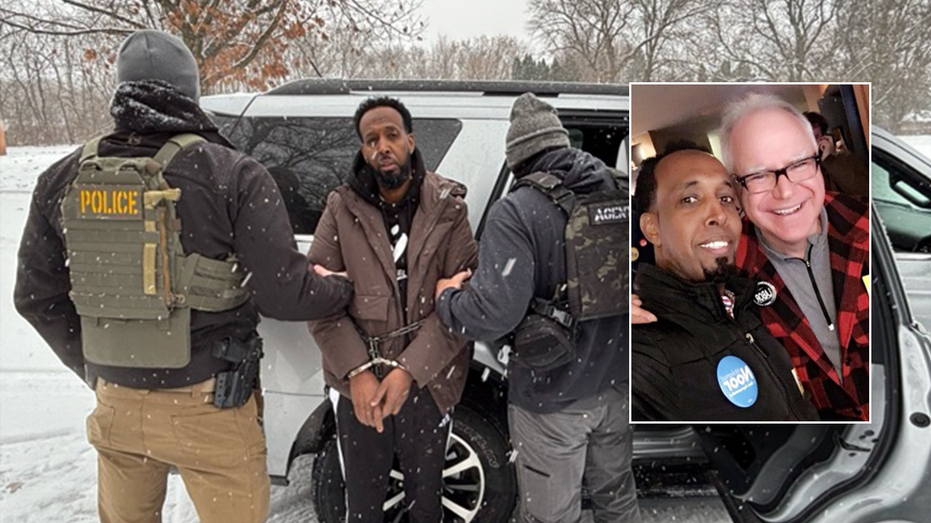
- Distraction. The focus on salacious allegations around family and sex (incest, marriage, multiple unions) diverts attention from more systemic issues—such as the Somali Medicaid fraud scandal in Minnesota, or broader immigration policy failures—toward personality-driven controversy.
This is why Omar’s instinct is to frame the investigation not as a technical legal matter but as a moral and political one. Calling her opponents “sick” is an attempt to recast the narrative: from her as the subject of suspicion to them as obsessive and abusive.
The Legal Landscape: Statutes, Statutes of Limitations, and Selective Focus
Sen. Cruz and others point to three basic categories of potential legal exposure if the most extreme allegations were ever substantiated:
- Federal marriage fraud (8 U.S.C. § 1325(c) and related statutes) – knowingly entering a marriage to evade immigration law, punishable by up to five years in prison and significant fines, plus potential deportation consequences.
- State incest statutes – in Minnesota, certain sexual relationships between close relatives are felonies, carrying potential multi-year sentences if proven.
- Tax fraud – filing joint returns when not legally married, or misrepresenting status, can constitute federal tax violations, typically enforced with civil penalties but sometimes criminal charges.
However, the law is doing less work here than the politics.
- Statute of limitations for many federal immigration-related and fraud offenses is typically five years; some tax issues can be pursued longer, especially where fraud is alleged, but aging evidence and complex family documentation make successful prosecution more difficult over time.
- Proof standards would require more than online speculation and disputed family trees. Prosecutors would need clear, admissible evidence of intentional misrepresentation—a much higher bar than the public debate often acknowledges.
- Selective enforcement is a real concern. Many Americans, including citizens by birth, have complicated marriage histories, imperfect filings, and questionable tax practices. Only a tiny fraction ever becomes the subject of multi-year public campaigns.
Tom Homan’s remarks that records are being “pulled and looked at” sound dramatic, but such reviews can be broad and preliminary. Without a formal investigation or charging decision, the very act of announcing document reviews can function more as political signal than legal milestone.
Media Ecosystems and the Recycling of Allegations
This story is also a textbook example of how modern partisan media ecosystems work:
- Old allegations are revived whenever a new, related controversy emerges—in this case, Minnesota’s Somali Medicaid fraud scandal and renewed debates about immigration enforcement.
- Selective amplification ensures that for certain audiences, the allegations are treated as effectively proven, while for others they are dismissed as racist smears. The result is parallel realities rather than a shared factual baseline.
- Personal scandal crowds out policy analysis. There is very little discussion in these cycles about whether marriage fraud enforcement is consistent, fair, or even effective as an immigration tool. The focus sits almost entirely on whether this one lawmaker did something disqualifying.
What remains underexamined is the broader enforcement pattern: how often are marriage-fraud accusations pursued against U.S.-born citizens with multiple marriages and messy paperwork versus immigrants and refugees whose family structures don’t conform to American norms?
What Mainstream Coverage Often Misses
Beyond the headline clash, several important dimensions are consistently overlooked:
1. The Structural Vulnerability of Refugees’ Paper Trails
Refugees who arrive as children or teenagers often have their life histories reconstructed by adults, resettlement agencies, or overwhelmed bureaucracies. Names, ages, and even family relationships may be approximated. Years later, those imperfect records can be reinterpreted as evidence of deceit rather than survival.
Omar’s opponents treat the documentary record as if it should be as precise as a suburban birth certificate. In reality, the paperwork of displacement is messy by design—it prioritizes speed and safety over forensic-level accuracy. That’s not unique to Omar; it’s a structural feature of refugee systems.
2. Cultural and Legal Mismatches Around Marriage
Omar’s overlapping religious and civil marriages reflect a dynamic that’s not uncommon in immigrant communities: religious unions may be recognized socially and within the community, while civil registrations lag or don’t align perfectly. U.S. law often treats these mismatches as anomalies or red flags.
This doesn’t absolve anyone of responsibility for fraud if it occurred. But it does underscore how easily complex personal histories can be misread or weaponized when viewed solely through a narrow legal lens.
3. The Asymmetry of Political Scrutiny
American politics is filled with officials whose financial, marital, or tax histories are complicated—sometimes egregiously so. Yet only a subset, disproportionately women of color and immigrants, see their entire personal biographies turned into multi-year investigations and punchlines.
This asymmetry doesn’t prove Omar’s innocence or guilt. It does, however, shape how the public experiences the scandal, and who sees themselves reflected in it.
Expert Perspectives
Legal scholars and immigration experts offer differing views on the significance of such investigations:
Prof. Hiroshi Motomura, an immigration law scholar, has long argued that U.S. immigration enforcement routinely blurs the line between genuine fraud and “bureaucratic noncompliance.” He has written that, in practice, “the punishment for imperfect documentation often falls heaviest on those who have the least control over their initial records.”
Prof. Kathleen Clark, an ethics and public law expert, notes that public officials are rightly held to higher ethical standards but warns that “when enforcement is obviously selective—focusing on ideological opponents and visible minorities—the system begins to look less like neutral law and more like partisan vetting.”
Meanwhile, community advocates in Minnesota’s Somali diaspora have emphasized the chilling effect such high-profile scandals can have on civic participation. They report that young Somali-Americans frequently cite Omar’s treatment as both inspiration and warning: proof that one can rise to Congress, and proof that doing so may come with relentless personal attacks.
Data & Evidence: How Common Is Marriage Fraud Enforcement?
Hard data on marriage fraud is limited, but available government reports provide some clues:
- USCIS has estimated in the past that a small fraction of marriage-based green card petitions (often cited in the low single-digit percentages) are denied or flagged for fraud, though the precise rate is contested.
- GAO and DHS inspector general reports suggest that while marriage fraud exists, high-profile sting operations (such as sham-marriage rings) are more common enforcement targets than individual long-ago marriages.
- There is little evidence that old, heavily disputed allegations—especially those with statute-of-limitations concerns—are routinely pursued unless they have political or national-security implications.
In other words, the legal tools Cruz invokes are real, but the pattern of their use is highly discretionary and often shaped by political priorities.
Looking Ahead: What to Watch
A few key signposts will indicate whether this episode remains a political talking point or evolves into something more substantial:
- Formal investigative steps. Does any federal agency open a formal inquiry, or is this confined to quiet document checks and public rhetoric?
- Congressional action. Do House Republicans move toward ethics complaints or hearing demands, or does the issue remain largely media-driven?
- Democratic response. How forcefully do Democratic leaders defend Omar, not just on personal grounds but on the broader principle of non-selective enforcement?
- Community impact. Does this revive or reshape local debates in Minnesota about Somali integration, Medicaid fraud cases, and trust in institutions?
It is also worth watching how this narrative is used in the next election cycle. Even if no charges are brought, the allegation itself can serve as a durable attack line in ads, debates, and social media campaigns.
The Bottom Line
Ilhan Omar’s clash with Republicans over her marriage history is not just a scandal story; it is a case study in how personal biography, immigration bureaucracy, and partisan warfare intersect. The legal questions—however serious on paper—are inseparable from the political incentives that drive which alleged violations become national news and which disappear into the background noise of American public life.
The outcome may matter less in court than in the broader struggle over whether refugees and immigrants can ever fully escape the suspicion that their presence in the United States is conditional, revocable, and always subject to retroactive challenge.
Topics
Editor's Comments
One critical point that deserves more public debate is not simply whether Ilhan Omar did or did not violate specific statutes, but whether our current approach to policing immigration-related fraud makes sense at all. Marriage fraud enforcement sits in an awkward space: serious enough on paper to carry prison time, yet highly discretionary and often triggered by tips, media attention, or political context rather than systematic, neutral review. That creates fertile ground for selective targeting. If we accept that refugee documentation is inherently imperfect and that cultural approaches to marriage differ, then the current system almost guarantees a wide zone of potential technical violations that can be activated when convenient. The Omar case is a warning sign: any effort to hold one lawmaker accountable must be paired with a broader reckoning over how many Americans—citizens and noncitizens alike—could be vulnerable to similar retroactive scrutiny, and whether that’s a sustainable or fair foundation for immigration governance.
Like this article? Share it with your friends!
If you find this article interesting, feel free to share it with your friends!
Thank you for your support! Sharing is the greatest encouragement for us.