Beyond the Scandal: What Jim Harbaugh and Sherrone Moore Reveal About a Crisis in College Coaching

Sarah Johnson
December 17, 2025
Brief
Jim Harbaugh’s reaction to the Sherrone Moore scandal exposes a deeper crisis in college coaching: power, mental health, and culture at elite programs like Michigan under unprecedented scrutiny.
Jim Harbaugh, Sherrone Moore, and the New Crisis Era of College Coaching
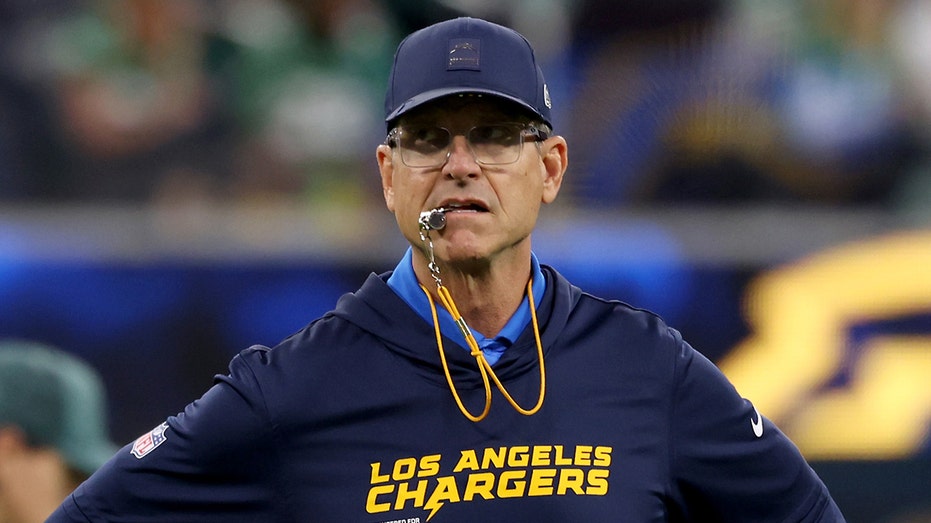
Jim Harbaugh calling the Sherrone Moore scandal “a tragedy” is more than a former boss consoling an ex-assistant. It’s a window into a college sports ecosystem where coaches are simultaneously moral symbols, million‑dollar brands, and deeply human — and that tension is becoming harder to sustain.
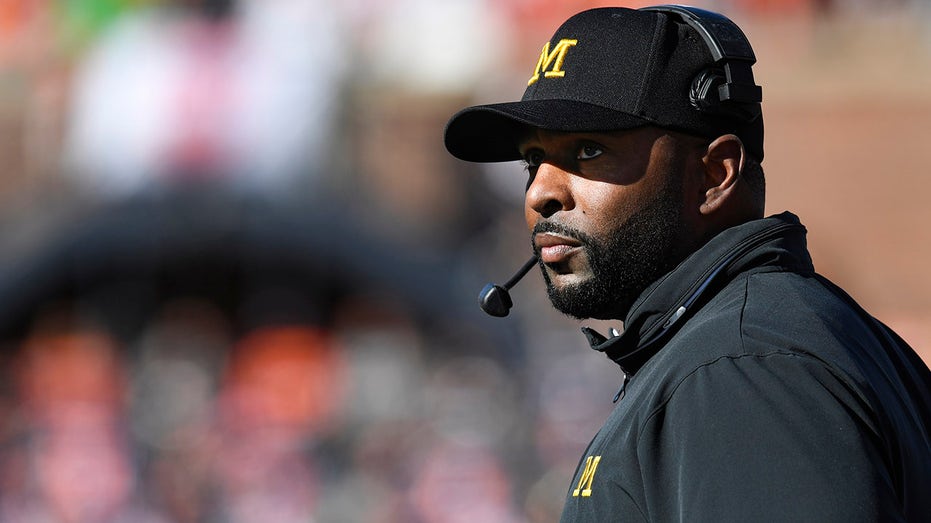
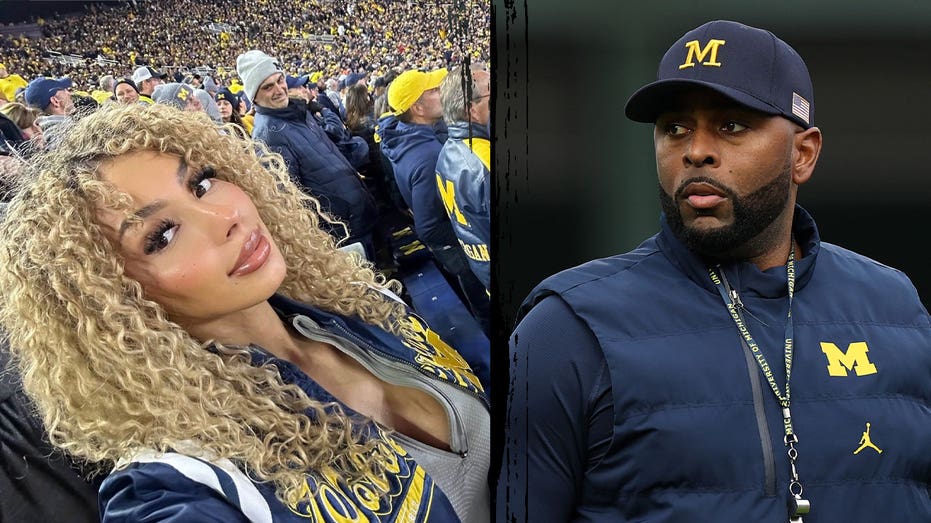
The allegations against Moore — felony home invasion, an inappropriate relationship with a staffer, and a disturbing confrontation that prosecutors say involved threats of self-harm — come less than a year after he was elevated to one of the most coveted jobs in college football. For Michigan players, boosters, and a fan base that had just emerged from one scandal (the sign‑stealing saga under Harbaugh), this isn’t just another bad headline. It’s a rupture in the story they were told about who their leaders are and what the program represents.
Harbaugh’s public response — measured, pastoral, and pointedly distant from the ongoing search for a new coach — encapsulates a deeper shift: big-time programs are being forced to confront the reality that their head coaches are not just tacticians, but high-risk culture investments in an era where personal behavior, mental health crises, and power dynamics are under unprecedented scrutiny.
The bigger picture: How we got to this moment
To understand the significance of this case, you have to place it in three overlapping contexts:
- The historical pedestal of the college head coach
- The modern scrutiny of workplace relationships and power dynamics
- The growing mental health crisis in high-performance sports
1. The coach as moral leader, not just play-caller
For decades, college head coaches — especially at blue‑blood programs like Michigan — have been positioned as moral authorities. They’re framed as builders of character, keepers of tradition, and extensions of the university’s values. That mythology didn’t emerge by accident. It has been a central part of how universities justify massive investments in athletics and rally alumni and donors.
Michigan is a quintessential example. From Bo Schembechler to Lloyd Carr to Harbaugh, the football coach hasn’t just been an employee; he’s been a symbol. Even Harbaugh’s own tenure was often framed in quasi‑moral language — toughness, integrity, discipline — even as off‑field controversies accumulated, from NCAA recruiting violations to the sign-stealing scandal.
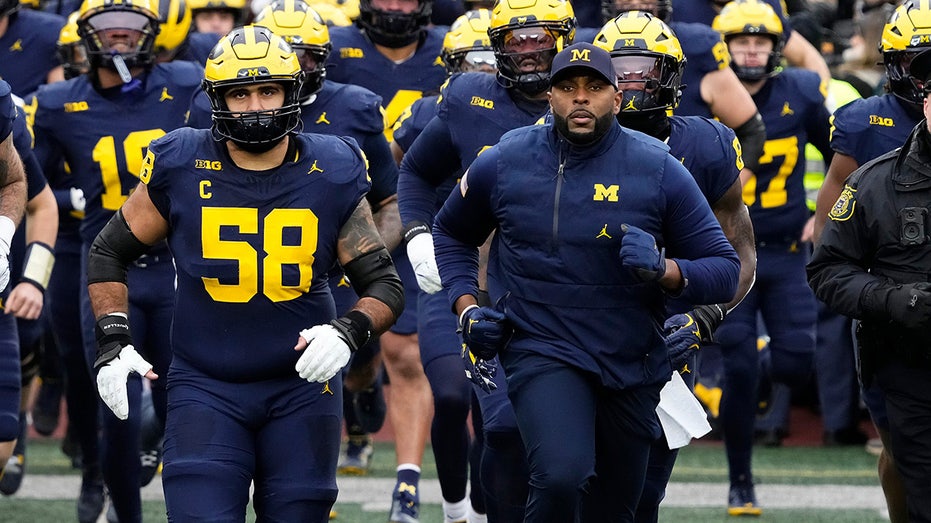
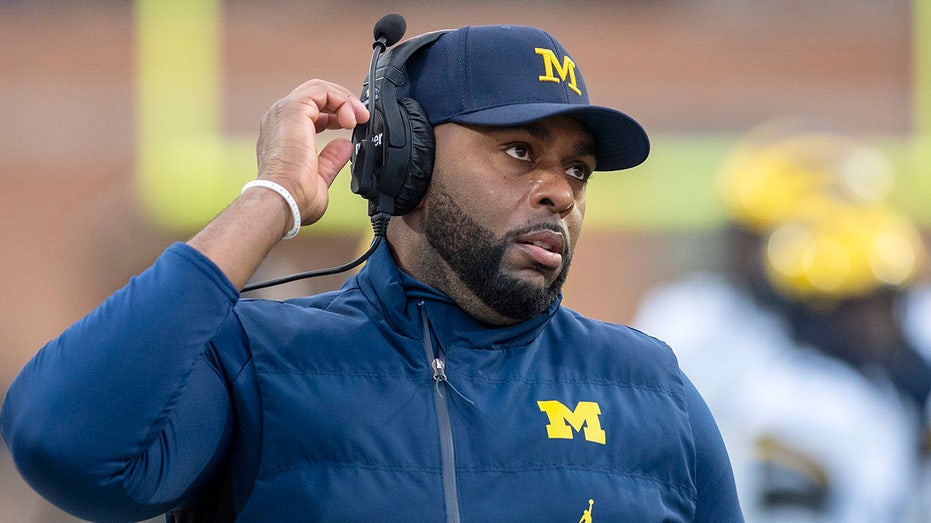
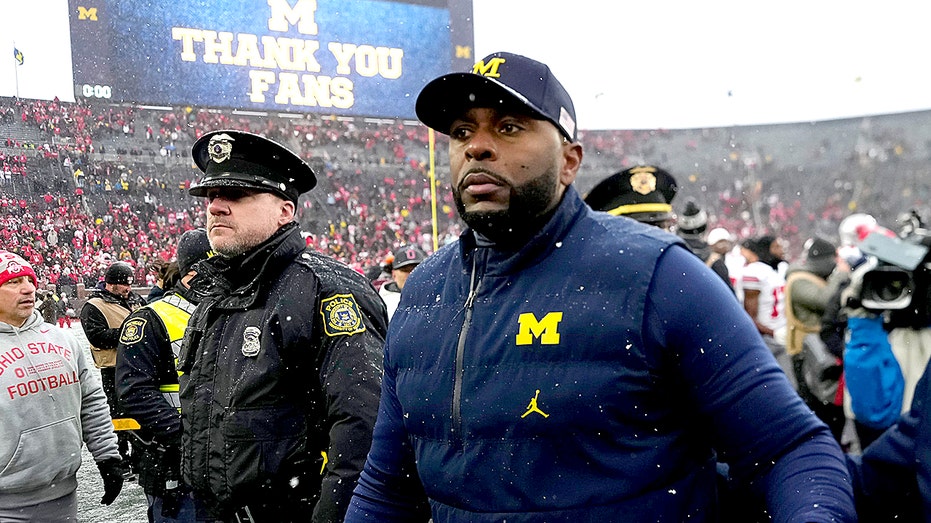
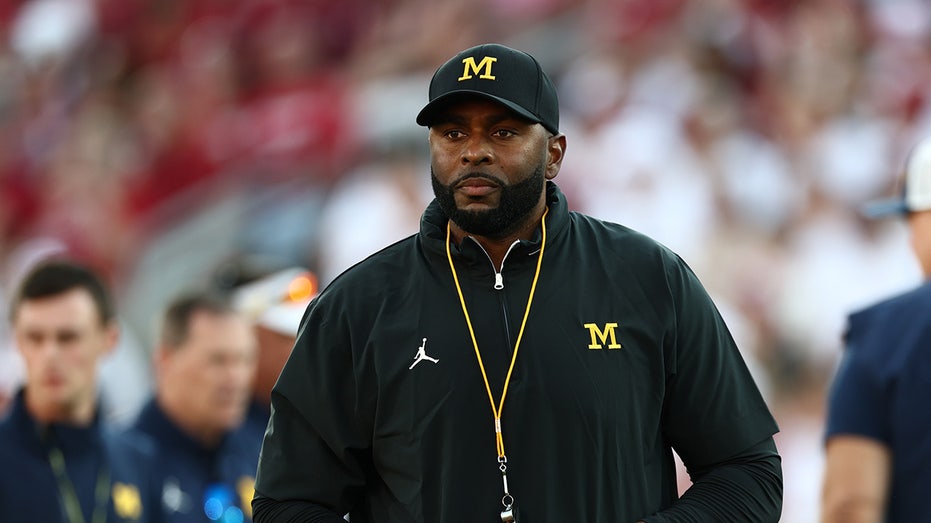
Sherrone Moore’s ascent followed that script. He was promoted internally, hailed as the continuity hire who would preserve Michigan’s hard-nosed culture and the national championship momentum. Players publicly backed him. Administrators sold stability. The implicit message: the program’s values were safe in his hands.
That’s what makes this moment so destabilizing. It’s not just that a coach is facing serious criminal allegations; it’s that someone who had been curated and presented as the moral extension of the program is now at the center of a case involving alleged boundary violations, a staff relationship, and a volatile emotional breakdown.
2. Power, relationships, and the post-MeToo workplace
The prosecutors’ description of Moore’s “intimate relationship” with a staffer over several years fits squarely into the ongoing reckoning over power dynamics in professional environments, including sports. Even when relationships are framed as consensual, the combination of hierarchy, reputation, and career dependence can blur genuine consent.
Over the past decade, universities and pro organizations have moved toward clearer policies: no relationships between supervisors and direct reports, mandatory reporting of any romantic involvement with staff, and more explicit consequences when those lines are crossed. College athletics has lagged behind corporate standards in this area, often handling such situations internally or quietly.
Moore’s case — as described by prosecutors and the university’s public framing of an “inappropriate relationship” — suggests Michigan is trying to apply a more modern set of standards. But the timing and severity of the fallout raise tough questions:
- How long did the university know about this relationship?
- Were boundaries or reporting expectations clearly communicated?
- Did Moore’s rapid rise to power create a blind spot around his off‑field conduct?
This isn’t just about one coach; it’s about whether college sport is truly prepared to apply the same standards of workplace conduct that exist in other high‑status professions.
3. The mental health undercurrent
According to prosecutors, Moore allegedly entered the staffer’s home, grabbed a butter knife and scissors, and threatened his own life, saying, “My blood is on your hands” and “You ruined my life.” Those are not the actions of someone simply trying to intimidate. They read as acute psychological crisis — a person whose identity had become so fused to his job and relationship that losing them felt existential.
The NCAA, professional leagues, and universities have spent the last several years publicly prioritizing mental health for athletes. But much less attention has been paid to mental health for coaches, despite their extreme workloads, job insecurity, and intense public scrutiny.
The average tenure for a Power Five head football coach is around four years. Buyout clauses and big salaries can obscure the reality: these are highly pressured, often unstable jobs that dominate a person’s schedule, family life, and sense of self. When you add:
- Rapid elevation (Moore going from OC to head coach at a national champion program)
- Public expectation that he “replace” Harbaugh
- Ongoing NCAA and internal compliance scrutiny
the conditions for a catastrophic personal unraveling are present, even if not inevitable. Harbaugh’s public advice — “Keep it together and take care of your family… getting spiritual guidance is really critical” — is telling. It’s the language of someone who recognizes how fragile that mental scaffolding can be, even if he doesn’t say the words “mental health” directly.
What this really means for Michigan, Harbaugh, and college sports
Michigan’s culture crisis 2.0
The emotional core of this story isn’t in the court filings; it’s in interim coach Biff Poggi’s description: players feel “very betrayed.” That single word underscores how deep the wound is. It’s not just disappointment — it’s a sense that a trusted adult misrepresented who he was.
For a locker room, betrayal from the top can be more destabilizing than a losing season or even an NCAA sanction. It calls into question every message players have heard about family, trust, and accountability. Michigan isn’t just managing a coaching transition; it’s undergoing a values audit in real time.
This will have ripple effects:
- Recruiting: Rival programs will use this scandal to question Michigan’s stability and internal oversight.
- Retention: In the NIL and transfer portal era, players now have real leverage. A damaged trust environment could translate into departures.
- Administration: Athletic director Warde Manuel’s handling of both the Harbaugh-era controversies and the Moore fallout will be under a microscope, especially among major donors.
Poggi’s emphasis that his mandate is to “love and take care of the kids” is not just sentimental language; it’s also reputational triage for a brand that has taken back-to-back blows around leadership integrity.
Harbaugh’s balancing act — and calculated distance
Harbaugh’s remarks on “The Dan Patrick Show” serve several purposes at once:
- He offers human sympathy to a former assistant (“worst days of his life”).
- He reframes the event as a tragedy touching “all concerned,” subtly including the alleged victim and the broader community.
- He clearly separates his current professional focus: “I would be doing [the Chargers] a disservice if I wasn’t putting all my focus on this game.”
Crucially, Harbaugh notes that he has no involvement in Michigan’s search for a new head coach. For a man who is deeply tied to the program’s identity, that public distance matters. It signals several things:
- Legal and reputational caution: Any perception that Harbaugh is shaping Michigan’s next hire while this scandal unfolds could drag him back into the university’s orbit just as the Chargers are trying to solidify his NFL era.
- Brand management: Harbaugh has navigated multiple controversies at Michigan. Being seen as a separate chapter may be key to preserving his own legacy and job security in Los Angeles.
- Power shift: Michigan’s administration may prefer a clean break from the Harbaugh tree after successive scandals that, fairly or not, are associated with his tenure and coaching lineage.
Harbaugh’s language — heavy on love for “my alma mater” but light on any institutional critique — also reflects how head coaches, even after they depart, often avoid directly confronting systemic failures. The unspoken implication: this was an individual collapse, not a structural one. That may be emotionally generous toward Moore, but it risks obscuring the institutional lessons that need to be drawn.
The overlooked party: The staffer at the center of the case
So far, public discussion has largely centered on Moore’s downfall, Harbaugh’s reaction, and Michigan’s football future. What’s been underemphasized is the staffer who, according to prosecutors, ended a multi‑year relationship, contacted the university, and cooperated with the investigation — and then allegedly had their home invaded by a distraught ex who was also their professional superior.
From a workplace and campus safety perspective, the staffer’s actions align precisely with what universities say they want: report concerns, cooperate with investigations, trust the system. But the social cost of doing so inside a powerhouse football program can be enormous — from subtle ostracism to career repercussions. The fact that players feel “betrayed” by Moore doesn’t automatically translate into solidarity with the staffer. That divide will be a litmus test for whether Michigan’s internal culture is evolving beyond “protect the program at all costs.”
Expert perspectives: What’s really at stake
Sports sociologists, mental health professionals, and governance experts see in this case a convergence of long‑running concerns.
On power and relationships: Dr. Deborah L. Brake, a law professor who has written extensively on gender, sport, and Title IX, has argued that romantic relationships in hierarchical sports environments are inherently fraught. Even when they appear mutual, she notes, career dependence and institutional loyalty can mute dissent. Cases like Moore’s suggest that athletic departments need clearer, enforced bans on relationships between coaches and subordinate staff — not just vague language about “inappropriate” conduct.
On mental health and identity: Sports psychologist Dr. Michael Gervais has long warned that elite performers who fuse their self-worth entirely to their role — coach, athlete, leader — are at significant risk of psychological collapse when that role is threatened or lost. The alleged “you ruined my life” statements attributed to Moore fit that pattern of identity crisis. This isn’t an excuse for criminal behavior; it’s a warning sign that institutions must do more than offer occasional wellness seminars.
On institutional accountability: Governance experts point out that universities often move swiftly only once liability is unavoidable. If, as prosecutors allege, the relationship lasted for years, critical questions loom about oversight. Were there rumors? Was anything flagged informally? Did Moore’s rising on-field success override red flags off it?
Data & evidence: A pattern, not an outlier
While every case is unique, the Moore saga fits into a broader statistical pattern:
- Coach misconduct is not rare. Studies on collegiate athletics have documented multiple cases per year of coaches facing discipline for harassment, inappropriate relationships, or abuse of power. Many never make national headlines.
- Public trust is fragile. Surveys of college sports fans after major scandals (from Penn State to Baylor) show significant, lasting drops in trust in athletic departments and leadership, even when on-field performance recovers.
- Mental health crisis in sport. NCAA data from recent years show rising rates of anxiety, depression, and burnout among student-athletes. Comparable systematic data for coaches is sparse, which is itself revealing: the people responsible for others’ mental health are rarely formally studied in that regard.
Looking ahead: What to watch
Several critical storylines will determine whether this moment becomes another scandal in the news cycle or a genuine inflection point.
1. Michigan’s next hire — and what it signals
Will Michigan double down on the Harbaugh coaching tree, signaling continuity, or pivot to an outsider explicitly tasked with rebuilding culture? The qualities prioritized in the job description — demonstrated ethical leadership, track record on staff conduct, openness to oversight — will say as much about the university’s self‑reflection as any press conference.
2. Policy changes around staff relationships
Expect increased pressure for explicit bans on romantic relationships between coaches and subordinate staff, mandatory disclosure policies, and clearer confidential reporting channels. What Michigan codifies now could become a template for other Power Five programs.
3. Player agency in the Citrus Bowl and beyond
Poggi has said players are being given a choice about whether to play in the Citrus Bowl. Their decisions will offer a real‑time referendum on how supported they feel. In the transfer-portal era, the longer-term choices — stay, leave, or wait to see who’s hired — will be even more telling.
4. Legal trajectory and public narrative
Moore has pleaded not guilty. The legal process will unfold slowly. How Michigan communicates during that process — including how much detail it shares about past oversight, policy enforcement, and internal findings — will shape public understanding. Transparency could help rebuild trust; opacity will invite speculation.
The bottom line
This isn’t just a story about a fallen coach and a concerned mentor texting from the NFL sidelines. It’s a case study in the collision between the old mythology of the college head coach and the new realities of workplace ethics, mental health, and player autonomy.
Jim Harbaugh calls it a tragedy. For Michigan, it’s also a test: can a program that has long sold itself as a paragon of toughness and tradition grapple honestly with the vulnerabilities and power imbalances inside its own walls? The answer will matter far beyond one Citrus Bowl or one hiring cycle. It will signal whether blue‑blood programs are finally prepared to treat culture and care as more than talking points — even when it means scrutinizing their own heroes.
Topics
Editor's Comments
One of the most striking aspects of this story is how quickly we default to framing it as a personal collapse rather than a systemic failure. It’s tempting – and emotionally easier – to see Sherrone Moore as a tragic outlier, a single individual who lost control. But the conditions that surrounded him were not unique: rapid promotion, enormous pressure to sustain a national title run, a deeply hierarchical workplace, and a culture that has historically celebrated winning far more loudly than it has enforced boundaries around power. If Michigan and other programs treat this as an isolated morality tale, they’ll miss the point. The more uncomfortable but necessary question is: What about the way we select, reward, and protect coaches makes this kind of implosion more likely? Until athletic departments are willing to interrogate their own incentives and blind spots – including how they respond to early whispers and boundary-blurring relationships – we should expect more ‘tragic’ episodes that were, in hindsight, disturbingly predictable.
Like this article? Share it with your friends!
If you find this article interesting, feel free to share it with your friends!
Thank you for your support! Sharing is the greatest encouragement for us.