
JoJo Siwa’s Burst Ovarian Cyst Reveals Deeper Challenges in Women’s Reproductive Health Awareness

Sarah Johnson
December 3, 2025
Brief
JoJo Siwa’s burst ovarian cyst ordeal spotlights critical gaps in women’s reproductive health awareness, stigma, and emergency care, revealing urgent societal and medical challenges beyond the headlines.
Opening Analysis
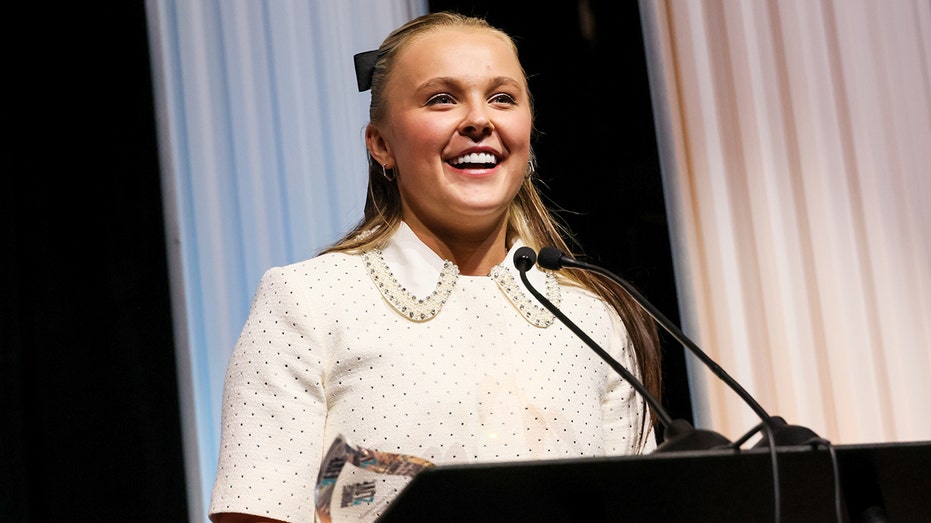
JoJo Siwa's recent hospitalization due to a burst ovarian cyst, while a personal health scare, highlights an often overlooked and under-discussed aspect of women's health: the severity and unpredictability of ovarian cyst complications. Her openness about the intense pain and subsequent hospital visit draws public attention to a common yet potentially dangerous gynecological condition, underscoring the importance of awareness, timely diagnosis, and effective pain management, especially in young women. Beyond the immediate story, this incident opens a broader conversation on how women’s reproductive health issues are stigmatized and frequently dismissed until they become emergencies — a pattern with significant societal and healthcare implications.
The Bigger Picture
Ovarian cysts are fluid-filled sacs that develop on or within an ovary and are common in women of reproductive age. While many cysts are asymptomatic and resolve without intervention, complications such as rupture or hemorrhaging can cause acute, severe pain and require urgent care. Historically, women’s reproductive health issues have faced inconsistent attention in medical research, often leading to delayed diagnoses and inadequate treatment options.
Notably, burst ovarian cysts can present a diagnostic challenge. Classic symptoms—sharp abdominal pain, nausea, dizziness—can mimic other conditions like appendicitis or ectopic pregnancy, sometimes leading to misdiagnosis. Public awareness campaigns about conditions like ovarian cysts tend to be limited, resulting in many women normalizing pain or attributing it to menstrual cramps or stress, as JoJo Siwa initially did.
What This Really Means
Siwa’s experience illustrates a critical need for improved education around symptoms that warrant urgent medical evaluation, particularly for young women who often suffer in silence or receive dismissive treatment. Her narrative also challenges cultural taboos surrounding open discussions on female pelvic pain and menstrual health. Ongoing pain with activity, intensification of symptoms, and associated warning signs such as breathlessness or fainting should prompt immediate medical attention — messages that are sadly not widespread.
Moreover, the fact that Siwa was able to perform shortly after hospitalization speaks to the resilience expected of public figures, but also raises questions about pressures to 'push through' pain, which may risk exacerbating underlying conditions. This dynamic reflects broader societal expectations placed on women, especially in entertainment and sports industries, to minimize or hide their health struggles.
Expert Perspectives
Dr. Lisa M. Halvorson, OB/GYN and Women’s Health Advocate: "Burst ovarian cysts are a common but serious complication that requires swift diagnosis. The severity of pain is often underestimated by patients and sometimes by healthcare providers, leading to delays that can impact recovery and fertility."
Dr. Miriam Stoler, Reproductive Endocrinologist: "JoJo’s case underscores the vital importance of listening to one’s body and breaking the stigma around reproductive health discussions. We need to promote better education for young women about when pain is abnormal and the need to seek care promptly."
Dr. Eric Chen, Emergency Medicine Physician: "Emergency departments frequently see women presenting with pelvic pain that has been ongoing for days but ignored due to normalization of symptoms. Public figures sharing their stories can help de-stigmatize these issues and encourage better health-seeking behavior."
Data & Evidence
- Studies indicate that up to 11% of women will develop an ovarian cyst that requires medical attention at some point.
- Ruptured cysts account for approximately 7% of gynecologic emergencies presenting to ERs, with a higher incidence in women aged 20-30.
- Research shows that delays in recognizing serious cyst complications can lead to prolonged hospitalization and impacts on future fertility for up to 30% of affected patients.
- A 2022 survey found that 42% of women under 30 reported dismissing pelvic pain as normal menstrual discomfort.
Looking Ahead
JoJo Siwa’s case could catalyze increased attention to menstrual and ovarian health among a younger demographic, leveraging social media's powerful platform to promote education. Medical professionals and advocacy groups might harness such high-profile incidents to push for comprehensive sexual and reproductive health education in schools, emphasizing symptom recognition and timely medical intervention.
In parallel, the entertainment industry and broader workplaces should reevaluate policies on health disclosures and accommodations, destigmatizing the open discussion of women's health challenges. This may lead to systemic changes that protect health without penalizing performance.
Monitoring trends in emergency room admissions related to ovarian cyst complications post this incident could offer data on its impact in raising public awareness. Additionally, long-term, expanded research funding focusing on ovarian cyst etiology, pain management, and minimally invasive treatment options will remain critical.
The Bottom Line
JoJo Siwa’s health scare shines a critical light on a common yet frequently misunderstood women's health issue. Beyond the immediate story of hospitalization and recovery, this incident highlights the urgent need for better education, removal of stigma around menstrual and pelvic pain, and systemic changes in how society supports women’s reproductive health. Siwa’s transparency serves as a valuable moment for public awareness and advocacy that could improve outcomes for many women worldwide.
Topics
Editor's Comments
JoJo Siwa’s candid sharing of her ovarian cyst rupture presents not just a health update but an entry point into a larger societal conversation about women’s pain and medical care. The tendency to normalize menstrual and pelvic pain often leaves young women vulnerable to serious complications. This case urges both the medical community and society to re-examine how women’s health narratives are treated in public discourse and clinical settings. It also challenges the entertainment industry’s implicit expectation that performers endure pain silently. Future efforts must prioritize education, stigma reduction, and systemic change to empower women to recognize symptoms and access timely care without shame or delay.
Like this article? Share it with your friends!
If you find this article interesting, feel free to share it with your friends!
Thank you for your support! Sharing is the greatest encouragement for us.