Beyond the Headlines: What the Latest USA Gymnastics Lawsuit Reveals About Institutional Failures to Protect Athletes

Sarah Johnson
December 6, 2025
Brief
This analysis explores systemic failures in USA Gymnastics' handling of abuse claims, connecting recent lawsuits to broader institutional negligence and outlining urgent reforms needed to protect athletes.
Unpacking the Latest Lawsuit Against USA Gymnastics: A Deeper Crisis in Athlete Protection
The recent lawsuit targeting USA Gymnastics (USAG) over its alleged failure to safeguard young athletes from sexual abuse is not just another headline in a long string of similar cases. It exposes persistent systemic flaws and institutional neglect within the governing body tasked with protecting vulnerable athletes—a problem that lingers years after the Larry Nassar scandal rocked the sport to its core.
The Bigger Picture: A Troubled History of Athlete Safety in USA Gymnastics
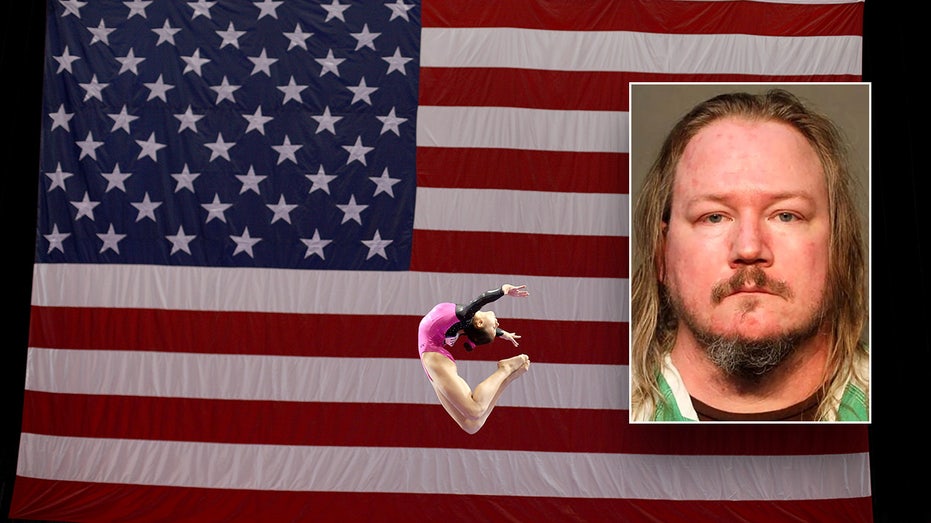
USA Gymnastics has faced intense scrutiny since the Nassar abuse revelations first surfaced in 2016. Despite the organization’s public commitments to reform, allegations continue to surface about inadequate responses to misconduct reports. This lawsuit, centering on coach Sean Gardner, highlights how deeply entrenched these issues remain.
The historical context is critical: USAG’s culture, for decades, prioritized competitive success over athlete welfare, fostering an environment where abusive behavior could flourish unchecked. This lawsuit claims that Gardner’s predatory behaviors—ranging from inappropriate touching to grooming tactics—were reported to USAG and SafeSport years ago, yet reportedly no meaningful action was taken.
SafeSport, established as an independent body to oversee abuse claims in Olympic sports, has similarly faced criticism for its slow and opaque investigative processes. The failure to timely act despite early warnings compounds the trauma for victims and erodes trust in protective institutions.
What This Really Means: Institutional Negligence and its Ripple Effects
This case shows the profound consequences when organizations designed to protect athletes instead neglect or suppress abuse reports. When John Manly, renowned for representing survivors of Nassar abuse, calls USAG’s conduct "despicable," it underscores how these patterns are not isolated but symptomatic.
The allegations detail a pattern of grooming—hugging, inappropriate closeness, social media harassment, and intimidation—behaviors recognized by experts as early warning signs of sexual abuse. That these warning signs were allegedly ignored or inadequately addressed by governing bodies points to systemic failures in policy enforcement, staff training, and accountability mechanisms.
Moreover, the involvement of a coach from a prominent training facility connected to Olympic champions like Shawn Johnson and Gabby Douglas foregrounds the intersection of elite sport culture and athlete vulnerability. It raises questions about how competitive pressures and hierarchical structures may inadvertently shield predators.
Expert Perspectives: Calls for Structural Reform
Dr. Jennifer K. Smith, a leading expert on athlete abuse at the Institute for Sports Safety, notes, "The persistence of abuse allegations against USA Gymnastics signals a need for comprehensive overhaul—not just in policy, but in the organizational culture that prioritizes success over safety."
Topics
Editor's Comments
This lawsuit serves as a stark reminder that the legacy of abuse within USA Gymnastics is not confined to past scandals but is a present and evolving crisis. While legal actions are necessary, they are only one piece of the puzzle. True progress requires dismantling the entrenched organizational culture that prioritizes medals and reputation over child safety. It also raises important questions about the efficacy of SafeSport and whether additional oversight mechanisms are needed. Moreover, the delayed action and repeated failures highlight how survivors continue to bear the psychological and emotional costs when institutions falter. As public attention moves beyond headline-making cases, it is essential that stakeholders maintain pressure for transparent, systemic reforms that genuinely protect athletes—not just symbolically, but in practice.
Like this article? Share it with your friends!
If you find this article interesting, feel free to share it with your friends!
Thank you for your support! Sharing is the greatest encouragement for us.