Uncovering Lessons from the Texas Hill Country Flood: Emergency Failures and Climate Risks Beyond the 911 Calls

Sarah Johnson
December 6, 2025
Brief
An in-depth analysis of the Texas Hill Country flood reveals critical challenges in emergency response, climate change impacts, and community vulnerabilities beyond the heartbreaking 911 calls.
Why the Texas Hill Country Flood 911 Calls Reveal Deeper Systemic Challenges
The recently released 911 calls from the deadly Texas Hill Country floods offer more than just heart-wrenching snapshots of individual crises—they expose critical vulnerabilities in emergency response infrastructure, underscore the increasing risks of extreme weather, and highlight social and environmental factors converging in tragic ways. Beyond the immediate chaos of those desperate calls lies a complex story about preparedness, climate change, and community resilience that demands urgent attention.
The Bigger Picture: A History of Flooding Meets Modern Extremes
Texas’ Hill Country has long been susceptible to flash flooding due to its unique geomorphology—characterized by rugged limestone hills and narrow river valleys that funnel stormwaters rapidly downstream. Over decades, sporadic historic floods have shaped local policies and community memories. However, recent floods have shattered previous norms with unprecedented intensity.
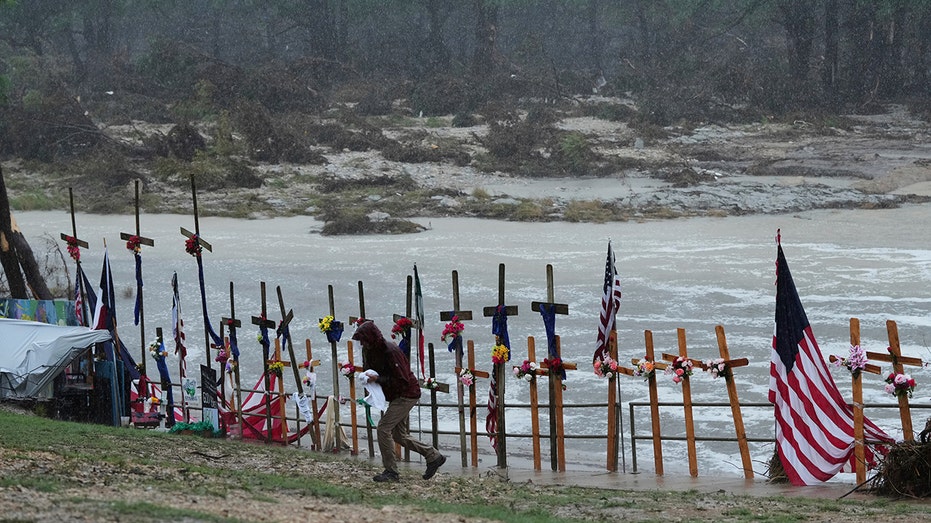
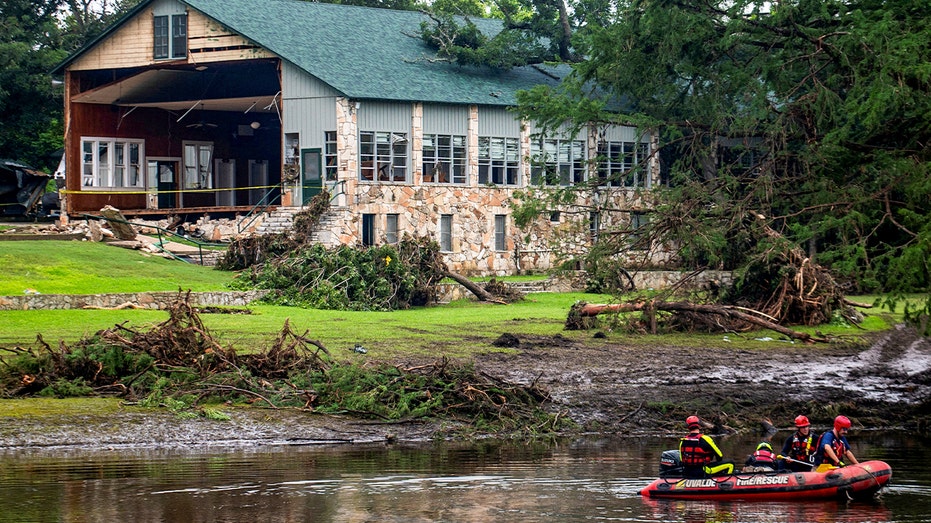
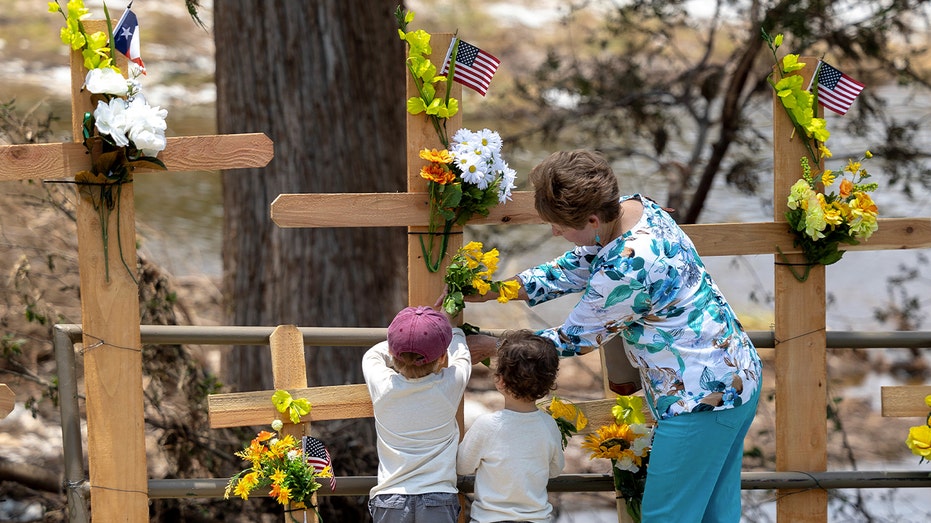
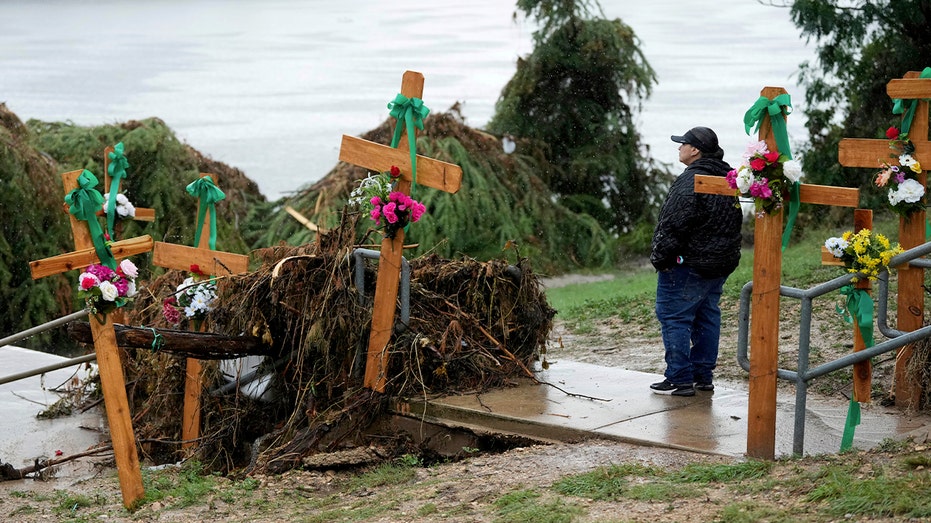
The July 4, 2025 flood event stands out not only for the death toll—more than 130 lives lost—but also for the scale of devastation in communities like Camp Mystic, where 25 young campers and two counselors perished. Unlike past floods, this event was characterized by extremely rapid water rise, poor warning dissemination, and overwhelmed rescue capacities. Scientists attribute such extremes partly to climate change-driven shifts in precipitation patterns that bring heavier, more localized downpours than historical averages.
What This Really Means: Emergency Response Under Strain and the Human Toll
The 911 calls reveal an emergency system pushed to its limits. Dispatchers received over 400 calls in a short time, with people trapped in trees, flooded cabins, and on rooftops. This volume strains call centers’ ability to prioritize, locate callers accurately, and mobilize limited rescue resources swiftly. These shortcomings were not merely logistical but had fatal consequences, as seen in repeated pleas for helicopter assistance delayed by terrain and weather.
The human impact is staggering—not simply in numbers but in suffering. The loss at Camp Mystic, a Christian summer camp, exemplifies the heartbreak of entire families and communities. Co-director Britt Eastland’s desperate 911 call exemplifies how those caught in the crisis struggled not just against nature but against the limits of human systems. First responders like firefighter Bradley Perry faced impossible decisions, highlighting the personal sacrifices within rescue operations.
Expert Perspectives: Understanding Multifaceted Challenges
Dr. Ellen Magee, a disaster management expert at the University of Texas, notes, “This disaster illustrates where high-impact weather meets insufficient adaptive infrastructure—a scenario becoming increasingly common. Emergency communication systems, evacuation plans, and public education all need modernization to meet these exponentially growing risks.”
Hydrologist Dr. Samuel Greene emphasizes climate change’s role: “The frequency and intensity of these flash floods are amplified by changing rainfall patterns. Communities must adopt green infrastructure and early warning technology to mitigate these effects.”
Meanwhile, sociologist Dr. Leah Martinez points out disparities: “Vulnerable populations—children, the elderly, those in rural or recreational camps—often bear disproportionate burdens. More inclusive planning and targeted support can reduce casualties in future events.”
Data & Evidence: Trends Confirm Rising Risks
NOAA data shows a near doubling in extreme precipitation events in central Texas over the past 30 years. Combined with population growth and increased development in flood-prone areas, exposure to flood hazards has expanded. National flood statistics further reveal that flash flood fatalities have risen steadily, with recent years ranking among the deadliest.
Local emergency services reports indicate call volumes during the Texas floods exceeded capacity by 150%, a sign of pervasive system stress. These data points underscore the urgent need for investment in more robust emergency infrastructure and community preparedness programs.
Looking Ahead: Building Resilience in a Warming World
As climate scientists predict continuing increases in extreme rainfall for Texas and similar regions, the lessons from the Hill Country flood must catalyze comprehensive change. Enhancing flood early warning systems, integrating real-time hydrological data, expanding evacuation routes, and increasing public awareness are crucial steps.
Policy reforms should also address land use to discourage construction in floodplains and promote nature-based solutions like wetlands restoration that slow water flow. Psychological support systems for survivors and first responders must not be overlooked given the trauma revealed in these emergency calls.
The Bottom Line
The Texas Hill Country flood tragedy is a stark warning about the intersection of natural hazards, climate change, and social vulnerability. The 911 calls humanize the crisis but also point to systemic failings demanding urgent reform—both technologically and socially. Only through a multifaceted response can communities hope to withstand worsening extremes and reduce future loss.
Topics
Editor's Comments
This analysis underscores an uncomfortable truth: while the raw heartbreak of these flood events often dominates headlines, there is a deeper, systemic crisis unfolding. The emergency services’ struggle to keep pace is a symptom, not the disease itself. Climate change is driving more dangerous weather patterns, but social and infrastructural vulnerabilities amplify the human cost. It raises important questions about resource allocation and political will. Are we investing enough in resilient infrastructure, especially in rural or recreational areas? How can communities better prepare children and vulnerable groups for these increasingly frequent disasters? The lessons from Camp Mystic are particularly poignant, symbolizing the profound costs when safety nets fail. As these extreme events escalate globally, the challenge is integrating climate science, technology, and social equity into a cohesive, actionable framework. This story demands more than mourning—it requires urgent policy shifts and innovative solutions to save lives next time.
Like this article? Share it with your friends!
If you find this article interesting, feel free to share it with your friends!
Thank you for your support! Sharing is the greatest encouragement for us.