Security Failures in Afghan Evacuee Vetting Expose National Risks and Policy Challenges

Sarah Johnson
December 4, 2025
Brief
An in-depth analysis of security failures in vetting Afghan evacuees post-2021 withdrawal reveals systemic challenges in U.S. immigration policy and national security, highlighting future reform needs.
Why This Story Matters
The recent arrests of Afghan evacuees with histories of sexual offenses and terror-related activities highlight deep flaws in the U.S. refugee vetting process during the chaotic 2021 Afghanistan withdrawal. These revelations not only raise urgent security concerns but also reflect broader systemic challenges at the intersection of humanitarian commitments, immigration policy, and national security. Understanding the root causes and future risks of these vetting failures is critical as the U.S. continues to manage ongoing refugee resettlement amid complex global migration trends.
The Bigger Picture: Historical and Policy Context
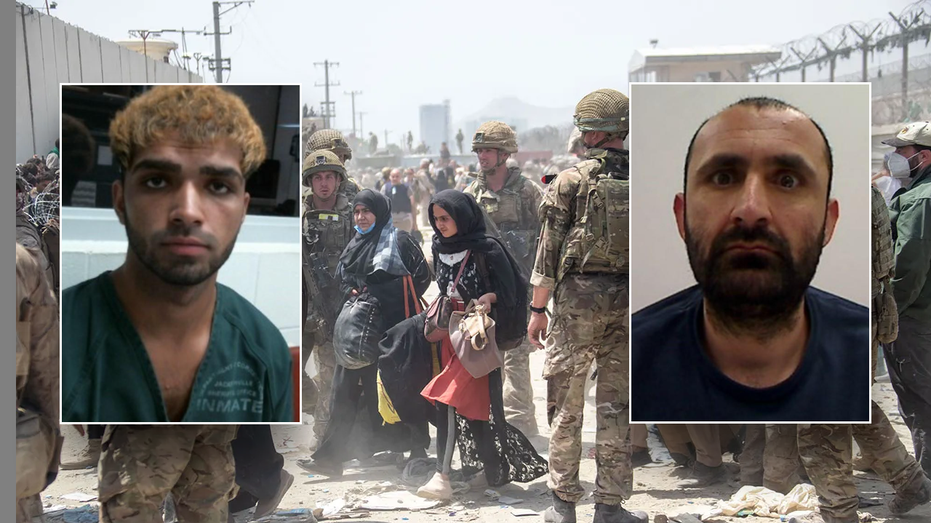
The U.S. withdrawal from Afghanistan in mid-2021 precipitated a rapid evacuation of approximately 124,000 Afghan nationals under several programs collectively known as Operation Allies Refuge and Operation Allies Welcome. While these efforts were remarkable in scale and urgency, evacuees entered unprecedentedly with minimal background checks amid the U.S. military withdrawal and Taliban takeover.
Historically, refugee admissions have included extensive vetting including biometric checks, intelligence collaboration, social media screenings, and interviews extending over months or years. The Biden administration faced immense political and humanitarian pressure to get vulnerable Afghans out quickly, which led to significantly abridged processes. The Trump administration had previously tightened vetting standards amid concerns over terrorism risks, but the urgency in 2021 overrode traditional safeguards.
This context explains the tensions between a "trust but verify" approach and the Biden administration’s apparent reliance on trust—with officials reportedly accepting evacuees’ representations without comprehensive verification. This trust-based admission model contradicts decades of national security policy lessons post-9/11 emphasizing rigorous multi-agency vetting of immigrants from conflict zones.
What This Really Means: Deeper Implications and Systemic Challenges
The arrests of individuals convicted or suspected of sexual offenses, violence, and terror ties among Afghan evacuees shine a light on multiple intersecting challenges:
- Security vulnerabilities: The breakdown in vetting opened a door to violent offenders and potential terrorists, risking public safety and undermining trust in immigration institutions.
- Immigration policy dilemmas: The crisis-driven rapid admissions prioritized speed over scrutiny, highlighting the difficulty of reconciling humanitarian imperatives with security demands.
- Political ramifications: This has fueled intensified political divisions with critics accusing the administration of negligence, feeding narratives demanding harsh immigration clampdowns.
- Operational and interagency coordination: The arrests expose possible gaps in intelligence sharing and follow-up monitoring of evacuees post-admission, areas that remain operationally complex.
- Broader impact on refugee programs: These failures risk eroding support for future humanitarian admissions, undermining America’s reputation as a safe haven for persecuted people.
Moreover, the inclusion of individuals linked to groups like ISIS-K (Khorasan) – a known extremist cell responsible for deadly attacks in Afghanistan – reflects long-term intelligence challenges in vetting refugees from evolving terror landscapes.
Expert Perspectives
National security experts generally emphasize the difficulty of balancing rapid relief with comprehensive vetting. Dr. Michael E. O’Hanlon, senior fellow at the Brookings Institution, explains: "The urgency of evacuation operations often sacrifices the depth of background investigations, but without adequate screening, you're trading a short-term humanitarian win for potentially serious security setbacks." He stresses the need for "post-admission monitoring and intelligence integration to mitigate risks once individuals enter the country."
Meanwhile, immigration scholar Laura L. Kalm, director at a migration policy think tank, notes: "The fallout from these vetting failures risks fueling anti-immigrant sentiment and policy retrenchment, at a time when the U.S. refugee intake is critical for global leadership. Transparent reforms that maintain security while safeguarding humanitarian principles are essential."
Additionally, former DHS officials highlight internal challenges: "The fractured intelligence coordination across agencies during the mass influx was unprecedented," said a retired ICE official. "Lessons must be learned to build resilient, rapid-response vetting mechanisms that do not compromise security."
Data & Evidence
Since 2021, approximately 190,000 Afghan nationals entered the U.S. under parole programs and refugee resettlement efforts. However, data from DHS indicates a subset have been arrested for serious crimes:
- Mansour Walizada: sexual battery conviction and child fondling arrest.
- Qesmat Din Zafran: convicted of lewd acts with a minor.
- Mohammad Tabesh Rasoli: hit-and-run conviction causing serious injury.
- Javid Ghamgeen: multiple drug possession, burglary, and assault convictions.
- Jaan Shah Safi: arrested for supporting ISIS-K terror group.
Beyond Afghan evacuees, DHS also arrested Iraqi entrants with similar violent histories, indicating systemic vulnerabilities in vetting during expedited resettlement.
Statistically, these represent a very small fraction of total evacuees. Yet, their prominence in violent incidents disproportionately impacts public perception and political debate.
Looking Ahead: Future Risks and Policy Directions
The unfolding situation pressures U.S. immigration and security agencies to enact reforms across several dimensions:
- Enhanced vetting frameworks: Integrating faster biometric, social media, and intelligence checks even amid emergency evacuations.
- Robust post-entry monitoring: Improved data sharing between ICE, DHS, FBI, and local law enforcement to track high-risk individuals arriving under humanitarian programs.
- Legislative oversight and accountability: Congressional scrutiny will likely intensify, demanding transparency about vetting practices and results.
- Public communication strategies: To rebuild public confidence, clearer communication about vetting challenges and safeguards is vital.
- International cooperation: Strengthened intelligence sharing with partner nations about incoming evacuees' histories.
Failure to address these vulnerabilities risks not only new security incidents but also erosion of U.S. global leadership in refugee protection and humanitarian crises response.
The Bottom Line
The botched vetting of Afghan evacuees after the 2021 withdrawal reveals complex tensions between the urgent demand for humanitarian action and the imperatives of national security. While the majority of evacuees pose no threat, the concentration of violent offenders and terror suspects among a small subset has inflamed political debates and exposed glaring gaps in intelligence and immigration systems. Moving forward, strengthening both initial vetting and ongoing monitoring is essential to safeguard the public without abandoning the ideals that guide refugee protection.
Topics
Editor's Comments
This unfolding story exposes the tensions inherent in rapid humanitarian responses amid complex security realities. It challenges the conventional wisdom that speed must trump thorough vetting, forcing policymakers to rethink emergency protocols without abandoning urgent life-saving efforts. Furthermore, the public and political reaction to these arrests risks undermining broader immigration and refugee agendas, making transparent, data-driven reform vital. The stakes here extend beyond one group or moment—they reflect broader questions about how nations balance compassion with caution in an increasingly interconnected and volatile world.
Like this article? Share it with your friends!
If you find this article interesting, feel free to share it with your friends!
Thank you for your support! Sharing is the greatest encouragement for us.