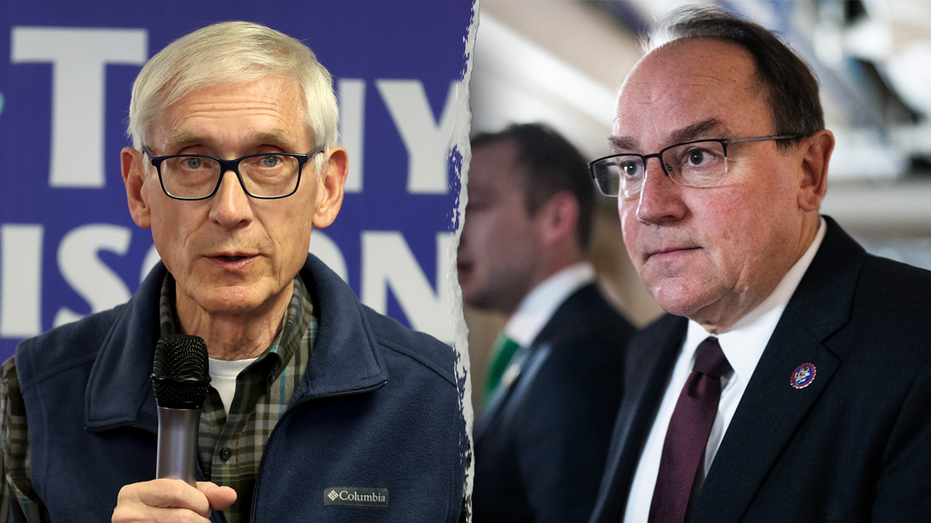
Wisconsin’s SNAP Audit Debate Unveils Deeper National Tensions Over Welfare Integrity and Governance

Sarah Johnson
December 5, 2025
Brief
An in-depth analysis of Wisconsin's food stamp program debate, exploring Minnesota's fraud scandal, political divides over auditing, welfare integrity, and implications for future governance and social trust.
Why Wisconsin’s SNAP Oversight Debate Resonates Beyond Regional Politics
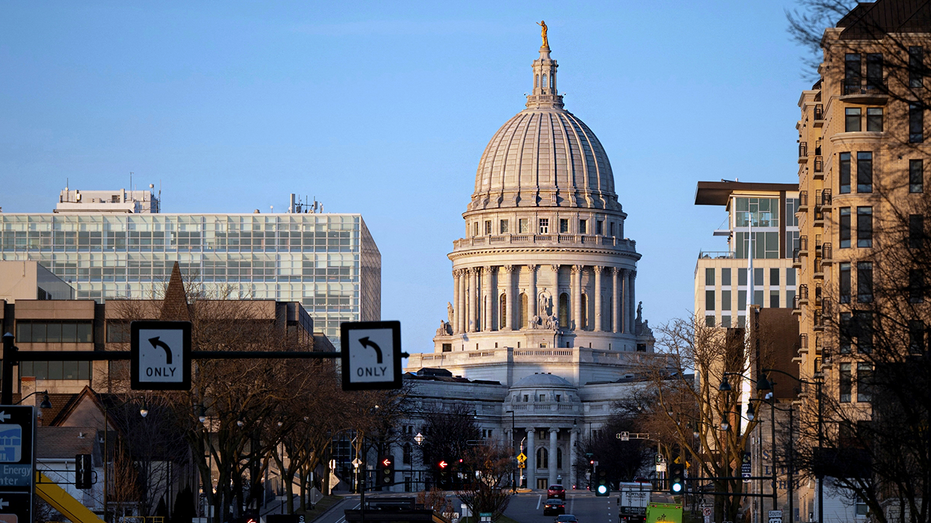
The recent discourse in Wisconsin over food stamp program oversight, sparked by Rep. Tom Tiffany’s warnings citing Minnesota’s fraud scandal, embodies a broader and complex struggle about welfare program integrity, social trust, and political ideology in American governance. This clash is not merely about isolated program enforcement but reflects overarching tensions about how public safety net programs should be managed, audited, and politically leveraged in states with divided government and polarized constituencies.
The Bigger Picture: Historical Context of SNAP and Fraud Concerns
The Supplemental Nutrition Assistance Program (SNAP) has long been a contentious element of the U.S. social safety net. Established in 1964 as the Food Stamp Act and expanded significantly in the early 2000s, SNAP’s mission is to reduce food insecurity among low-income populations. However, the program has also been the subject of persistent scrutiny over potential fraud and misuse – concerns often amplified during times of political polarization.
Fraud in federally funded assistance programs, while statistically a small fraction of total disbursements, tends to attract outsized attention because it challenges public confidence in government spending. Minnesota's recent revelations of alleged fraudulent diversions involving members of the Somali community and potential links to Al-Shabaab dramatically raised the stakes. These claims have been highly controversial and politically charged, raising questions about oversight effectiveness, cultural competence, and law enforcement collaboration.
What This Really Means: The Stakes Behind Wisconsin’s Stance
Rep. Tiffany’s criticism of Wisconsin Governor Tony Evers’ refusal to cooperate with the USDA’s requested audits signals an impending political conflict that extends beyond administrative disagreements. Tiffany invokes not only concerns about fraud but frames the refusal as a risk to the program’s sustainability and reliability for lawful beneficiaries. This foregrounds a debate on whether enhanced federal oversight can balance the imperative to protect taxpayer dollars with safeguarding the dignity and privacy of recipients.
Governor Evers’ position, critiquing audit requests as unnecessary and potentially intrusive, reflects a common Democratic perspective that prioritizes access and anti-stigmatization of welfare recipients. His defense underscores a historical sensitivity in welfare policy debates where excessive policing can exacerbate barriers and inequities. Evers’ approach suggests an underlying mistrust toward federal intrusion and a wish to shield vulnerable populations from punitive measures stemming from broader geopolitical anxieties, especially given Minnesota’s situation.
Republicans, conversely, frame this as a matter of accountability and program integrity, warning that lax oversight permits waste, fraud, and abuse, ultimately threatening SNAP’s longevity. This tug of war raises fundamental questions about how states can both fulfill federal obligations and honor local concerns—especially in contested political environments.
Expert Perspectives
Dr. Jennifer E. Jones, a leading social policy analyst at the Urban Institute, notes, "Fraud rates in SNAP generally range from 1% to 3%, which is low compared to many other federal programs. However, public perception and political narratives can disproportionately influence policy, often with unintended consequences for beneficiaries." She adds, "Minnesota’s case is unusual and should be carefully investigated; however, states adopting heavy-handed audits risk administrative burdens and delays, which can harm low-income families relying on timely benefits."
Meanwhile, William T. McConnell, a former USDA program auditor, explains, "Audits are crucial for maintaining compliance and deterring fraud, but the methods and transparency of these audits must be carefully calibrated to avoid alienating recipients or stoking ethnic tensions." He emphasizes the importance of "culturally competent outreach and collaboration with community organizations to improve program integrity without politicization."
Data & Evidence
According to USDA data, SNAP fraud estimates have hovered below 5% of total program expenditures annually, with overpayment caused by eligibility error and trafficking fraud at roughly 1-2%. Yet, these figures vary considerably by state. Minnesota’s alleged $1 billion fraud implicates approximately 10% of the $9 billion annual disbursement — an unusually high figure if proven true.
Wisconsin’s SNAP program, FoodShare, served roughly 650,000 individuals in 2024, totaling about $1.5 billion in federal aid annually. The financial impact of fraud, while never trivial, must be contextualized within this scale and the broader benefit of the program in reducing malnutrition and food insecurity among vulnerable populations.
Looking Ahead: Potential Consequences and Political Dynamics
This debate foreshadows several ramifications for Wisconsin and potentially other states observing the Minnesota precedent. A refusal to cooperate with federal audits could prompt tighter federal enforcement actions or legislative initiatives aimed at standardizing fraud detection across states. It also risks intensifying partisan divides ahead of the 2026 gubernatorial race. Tiffany’s critique positions SNAP integrity as a politically mobilizing issue, while Evers’ stance appeals to progressive constituencies protective of welfare accessibility.
Moreover, the situation highlights a need for nuanced solutions that balance audit rigor with respect for community diversity and program access. States may increasingly pursue enhanced technological solutions, community-engaged oversight, and federal-state partnerships. Conversely, politically motivated narratives about fraud connected to immigrant communities risk worsening social fractures.
The Bottom Line
The controversy over SNAP audits in Wisconsin, framed against Minnesota’s fraud scandal, is a microcosm of deeper national issues involving welfare policy, governance, race, and political strategy. Moving forward requires carefully calibrated oversight that protects both taxpayer funds and the well-being of beneficiaries, alongside transparent communication that resists simplistic politicization. States like Wisconsin stand at a crossroads where learning from neighboring crises can inform smarter, fairer policy—if political leaders prioritize evidence over rhetoric.
Topics
Editor's Comments
This controversy is a striking example of how welfare program administration has become a proxy battlefield for deeper social and political anxieties. The invocation of Minnesota’s scandal by Wisconsin Republicans is politically potent but risks oversimplifying complex issues of community trust, cultural sensitivity, and program effectiveness. Equally, the reluctance of Democratic leaders like Gov. Evers to open programs to federal audits may stem from legitimate concerns about undue federal intrusion, but it can also fuel perceptions of opacity and carelessness. The key challenge is to move beyond politicized soundbites toward data-driven solutions that maintain both integrity and access. With Wisconsin’s gubernatorial race looming, these tensions will only intensify, highlighting the need for nuanced public discussions that emphasize evidence and equity rather than fear or partisanship.
Like this article? Share it with your friends!
If you find this article interesting, feel free to share it with your friends!
Thank you for your support! Sharing is the greatest encouragement for us.