London’s Tourist Tax Gamble: Balancing Growth, Sustainability, and Urban Resilience

Sarah Johnson
December 3, 2025
Brief
Analysis of London's proposed tourist tax reveals its potential to balance economic growth, urban sustainability, and global trends in managing overtourism, highlighting opportunities and challenges ahead.
Opening Analysis
London’s consideration of a tourist tax targeting overnight visitors is more than a local policy adjustment; it signifies a broader shift in how major cities are attempting to balance economic growth with sustainable tourism management. While seemingly straightforward—imposing a levy on visitors—the initiative opens a complex debate about fiscal autonomy, urban sustainability, and the evolving nature of global tourism. This move highlights the pressures urban centers face from overtourism, infrastructure strain, and environmental impacts, prompting a reevaluation of traditional revenue models.
The Bigger Picture
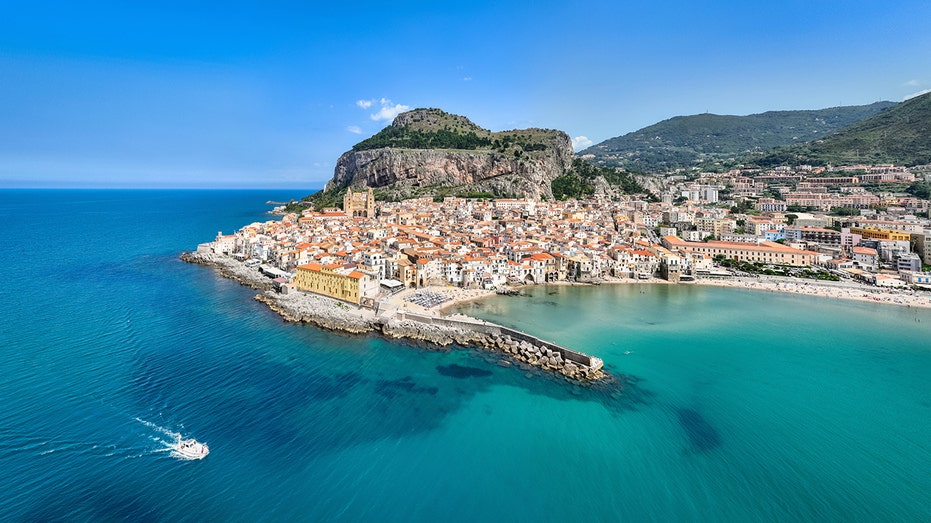
Historically, London has long been a magnet for tourists, serving as a cultural and economic hub for centuries. Its status as a global city has fueled both economic prosperity and urban challenges, notably congestion, pollution, and infrastructure degradation. The concept of tourism taxes is not new but has gained renewed relevance amid the rise of short-term rentals and experience-focused travel. Cities such as Venice, Barcelona, and Amsterdam have implemented or considered similar levies, reflecting a universal recognition that overtourism can erode local quality of life and threaten iconic landmarks.
The legislative backdrop, notably the English Devolution and Community Empowerment Bill, demonstrates a policy shift toward decentralizing fiscal authority. Allowing local leaders to raise revenue via levies confers both opportunity and risk. It empowers cities like London to fund urban renewal projects, safety campaigns (such as “Mind the Grab”), and infrastructure upgrades, but also risks shaping tourism strategies to prioritize revenue over sustainable practices.
What This Really Means
The proposed 5% levy, if implemented, would serve multiple strategic purposes. Economically, it could generate substantial funds—imagine thousands of pounds generated per night at London’s large hotels—which could be reinvested into urban infrastructure or cultural preservation efforts. Socially, however, it risks alienating visitors who might seek alternatives elsewhere or feel unfairly taxed, especially affluent travelers who can absorb the cost more easily.
Furthermore, London’s move aligns with global trends in urban tourism management, where cities seek to divest some costs of tourism onto visitors as a way to mitigate strain. This approach shifts some financial burden from residents and taxpayers to travelers, arguably a fairer distribution given the benefits they receive. However, it raises questions about equity—will the tax hinder accessibility for lower-income travelers or diminish London's reputation as a welcoming destination?
Expert Perspectives
Andrew Carter, chief executive of Centre for Cities, emphasizes that this policy reflects a broader strategy of decentralizing fiscal powers, which could accelerate urban economic growth. Experts like Dr. Becky Harris, urban economist specializing in tourism, argue that well-implemented taxes can fund essential infrastructure, but caution against relying solely on such measures without addressing underlying issues like overtourism and infrastructure capacity.
Additionally, Dr. Michael Scully, a sustainability researcher, warns that unless paired with sustainable tourism practices, these taxes risk merely displacing rather than solving urban congestion and environmental issues. Sustainable tourism must go hand-in-hand with fiscal tools to ensure long-term urban vitality.
Data & Evidence
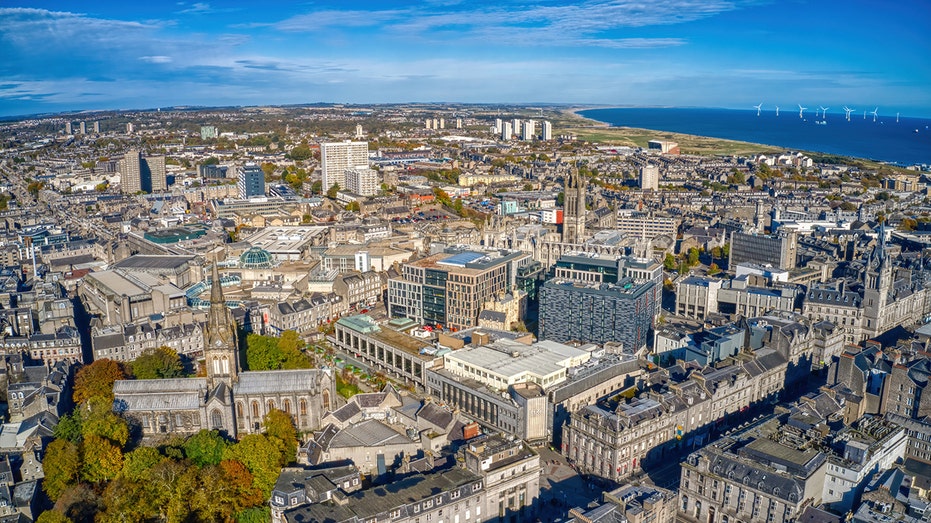
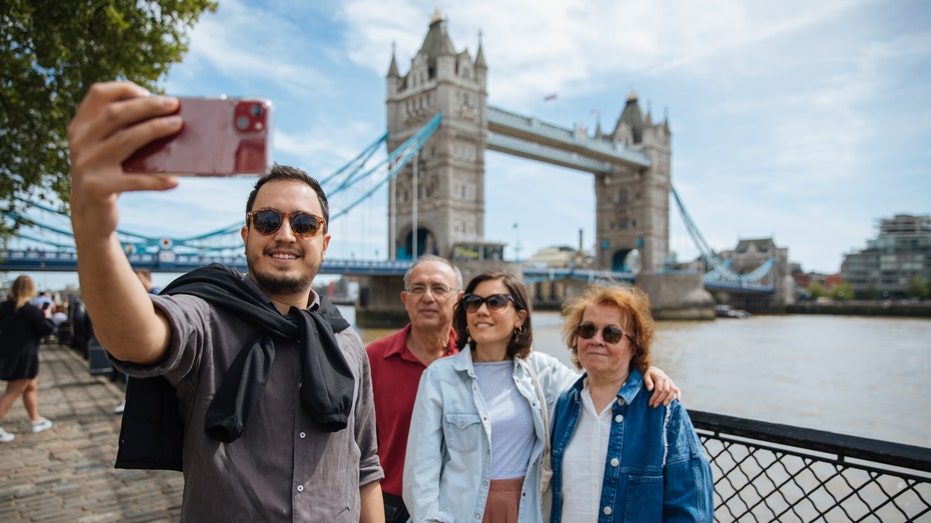
London’s tourism footprint, with over 21 million visitors annually and around 3.6 million overnight stays from North America alone, underscores its economic dependence on tourism. Internationally, other cities have reported mixed results with similar levies—Venice’s pilot program, for example, has faced criticism for potentially discouraging day-trippers while providing funding for city maintenance. Elsewhere, the 7% visitor levy in Aberdeen and the 5% in Edinburgh are early experiments that can serve as benchmarks for effectiveness and public acceptance.
Economically, tourism contributes approximately 4-5% to the UK economy, underpinned by hospitality, transportation, and retail sectors. Introducing taxes could modify this contribution if they significantly deter visitation or shift traveler patterns away from London.
Looking Ahead
Monitoring the outcomes of London’s potential tax will be critical. While the strategy aims to boost city revenues and manage tourism’s impact, it also risks unintended consequences—such as reduced visitor numbers or negative perceptions. Consideration of equitable implementation will be paramount, especially in light of ongoing debates about fairness and accessibility.
In a broader context, the decision reflects a global evolution in urban tourism policy—favoring localized, flexible approaches over blanket regulations. Future developments may include tiered taxes based on traveler origin, duration of stay, or type of accommodation, akin to Norway’s targeted approach.
The Bottom Line
London’s pursuit of a tourist tax signifies a strategic effort to reconcile economic growth with sustainability. If effectively managed, it could serve as a model for smart urban tourism policies, emphasizing reinvestment and urban resilience. However, success hinges on balanced implementation, stakeholder engagement, and a commitment to sustainable tourism principles that go beyond mere revenue generation.
Topics
Editor's Comments
London’s proposed tourist tax exemplifies a sophisticated approach to urban tourism management—one that combines fiscal innovation with urban sustainability. While the revenue potential is significant, policymakers must be vigilant about fairness and potential unintended consequences such as reduced visitation or negative public perception. The challenge lies in designing a policy that is both financially sustainable and socially equitable, supporting long-term urban resilience. This initiative could become a blueprint for other global cities grappling with overtourism, but success hinges on transparency, stakeholder buy-in, and a holistic approach that integrates environmental and social considerations into economic strategies.
Like this article? Share it with your friends!
If you find this article interesting, feel free to share it with your friends!
Thank you for your support! Sharing is the greatest encouragement for us.