Maine's Unexpected Visitor: Unraveling the Ecological Significance of the Rare Great White Shark Encounter

Sarah Johnson
December 3, 2025
Brief
An in-depth analysis of the rare Maine great white shark sighting, exploring its ecological significance, climate-driven range shifts, and future implications for marine ecosystems and conservation efforts.
Opening Analysis
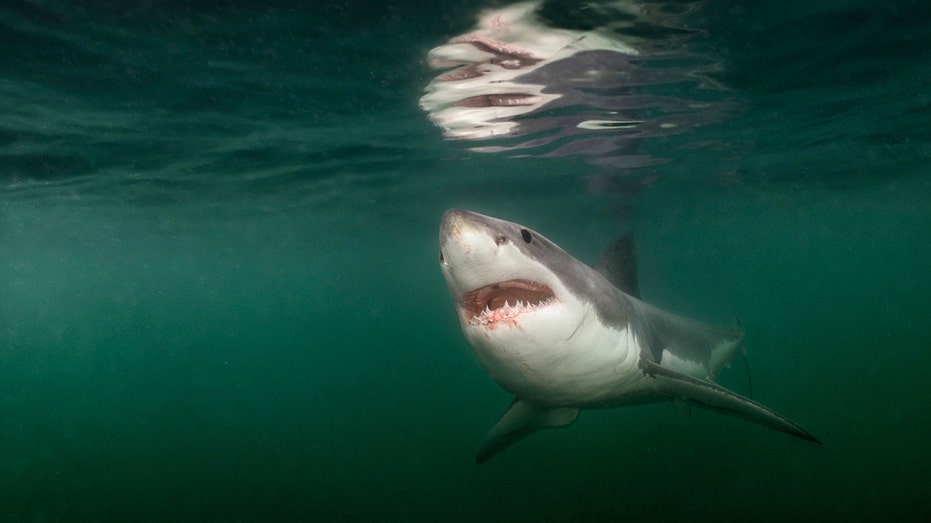
The remarkable capture of a rare great white shark off the Maine coast, showcased in a recent National Geographic photograph, is more than just a striking wildlife image. It signifies a potential shift in the movement patterns of these apex predators, highlighting broader ecological changes occurring in the North Atlantic. This encounter prompts critical reflection on the shifting marine ecosystems amidst climate change, human impact, and evolving oceanic conditions, raising questions about the future of predator-prey dynamics along the northeastern U.S. coast.
The Bigger Picture
Historically, great white sharks are known to inhabit coastal regions of the U.S., predominantly along California, South Africa, Australia, and the Mediterranean—areas where their population has been typically documented and studied extensively. The recent sighting off Maine, a region less commonly associated with this species, points toward a possible range expansion. Climate variability, including rising ocean temperatures in the North Atlantic, has been altering marine migratory pathways for decades. Studies have shown that many marine species, from fish to marine mammals, are shifting their ranges poleward as waters warm—a phenomenon documented in comprehensive marine ecosystem modeling (e.g., the North Atlantic Marine Ecosystem Partnership). This shift in predator distribution has profound implications for local biodiversity, fishing industries, and conservation strategies.
What This Really Means
This rare sighting underscores a broader ecological trend: the dynamic and rapidly changing distribution of marine top predators in response to environmental variables. The presence of a great white in Maine may indicate an expanding habitat, which could lead to increased predator-prey interactions in areas previously considered less hospitable. Such shifts could disrupt existing fish populations, affecting commercial fisheries and local communities. Moreover, the encounter provides a rare insight into the potential for natural predators to adapt to changing environments, raising questions about the resilience and adaptability of marine ecosystems. It also challenges assumptions about the geographic limits of certain species, urging a re-evaluation of current marine protected areas and management practices.
Expert Perspectives
Marine biologists specializing in shark ecology, such as Dr. Sylvia Earle, emphasize the importance of these sightings as indicators of ecosystem health. "The appearance of great whites further north may be a sign of changing prey availability and ocean conditions," she notes. Conversely, researchers like Dr. Chris Lowe, director of the Shark Lab at California State University, suggest that such movements could be short-term anomalies or part of longer-term patterns driven by climate change. They highlight the need for more extensive monitoring to understand whether these sightings represent a new norm or isolated incidents.
Furthermore, ecologists warn about the potential risks of increased human-shark encounters as shark ranges expand into coastal areas frequented by swimmers and fishermen. The balance between conservation efforts and public safety becomes more delicate, necessitating nuanced communication strategies and adaptive management policies.
Data & Evidence
Studies show that ocean temperatures in the North Atlantic have risen by approximately 1°C over the past century, with accelerated warming in recent decades. Satellite data and fisheries reports reveal an uptick in marine species movements poleward, with some shark species expanding their range by hundreds of miles. The International Union for Conservation of Nature (IUCN) lists the great white as vulnerable, with populations affected by overfishing and bycatch. The recent Maine sighting, corroborated by multiple eyewitness reports and possibly remote sensing data, adds empirical weight to the theory of changing habitat suitability.
Looking Ahead
The implications of this sighting extend into future research priorities: regions like the Gulf of Maine could become critical habitats for apex predators, requiring updated monitoring and conservation strategies. Climate models predict continued warming, which suggests further range shifts and possible increases in predator encounters along the eastern seaboard. This evolution calls for adaptive management frameworks, with an emphasis on integrating climate projections into marine spatial planning. It also highlights the urgency of implementing robust citizen science programs and technological solutions such as drone-based surveillance and acoustic monitoring to track these elusive predators.
The Bottom Line
The rare Great White shark sighting off Maine signals a potential shift in the species' habitat range driven by climate change and oceanic alterations. It serves as a visible indicator of broader ecological transformations, emphasizing the need for adaptive conservation and monitoring frameworks. While inspiring for wildlife enthusiasts, it also presents challenges relating to human safety and ecosystem management—underscoring the complex, interconnected nature of climate-driven ecological change.
Topics
Editor's Comments
This marine spectacle serves as a vivid reminder of how climate change influences not only weather patterns but also the distribution of iconic predators like the great white shark. It raises essential questions about how ecosystems adapt to rapid environmental shifts and the need for dynamic management strategies that can respond to these unexpected developments. The Maine encounter underscores the importance of investing in comprehensive marine monitoring systems, integrating advanced technology, and fostering cross-disciplinary research to better predict and mitigate the cascading effects of climate-induced habitat changes. Moreover, it offers a compelling narrative that connects environmental health with human safety and livelihoods, emphasizing that conservation is inherently linked to understanding and responding to these ecological signals.
Like this article? Share it with your friends!
If you find this article interesting, feel free to share it with your friends!
Thank you for your support! Sharing is the greatest encouragement for us.