Sydney Sweeney, ‘Great Jeans,’ and How Outrage Became a Marketing Strategy

Sarah Johnson
December 7, 2025
Brief
Sydney Sweeney’s American Eagle saga isn’t just a viral ad story. It reveals how sex appeal, “woke” backlash, and stock-market gains are reshaping celebrity branding and the politics of beauty.
Sydney Sweeney, American Eagle, and the New Politics of Sex Appeal in Advertising
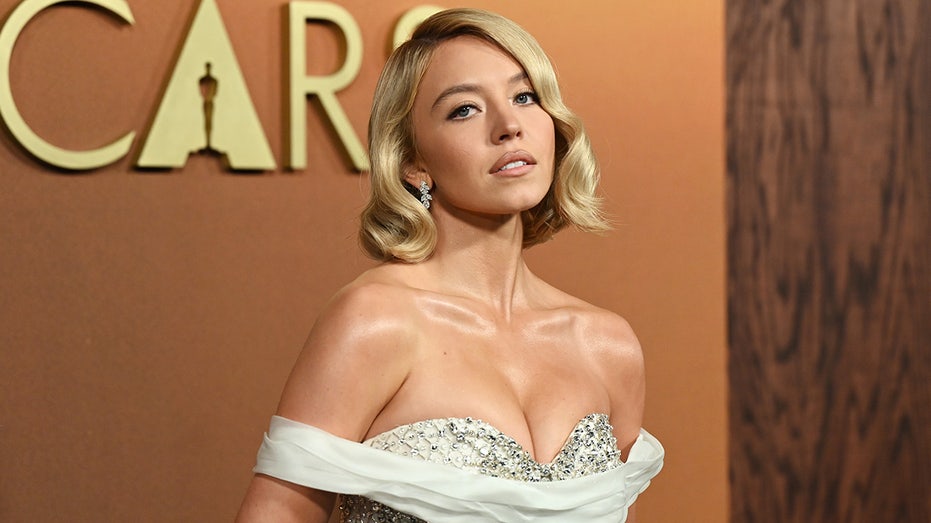
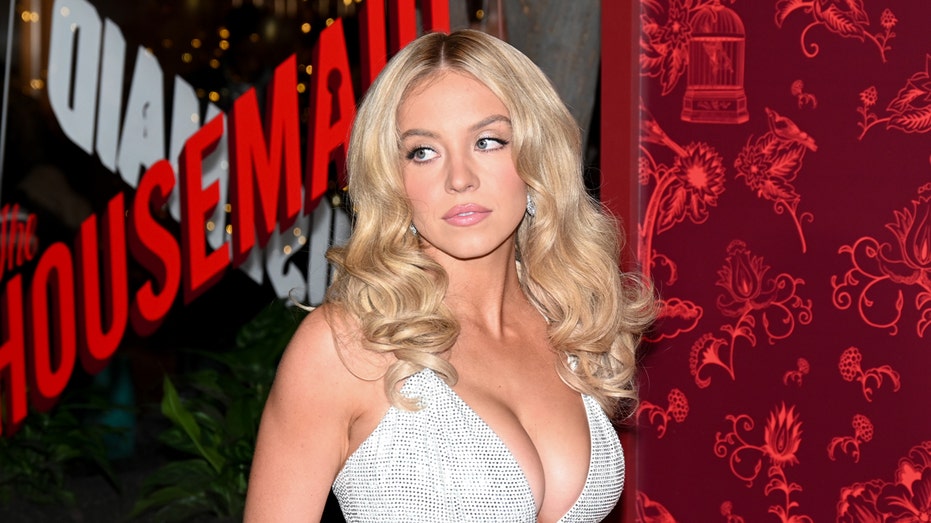
Sydney Sweeney’s American Eagle campaign is being framed as a simple success story: a sexy ad, a social media backlash, and then a 10% bump in the company’s stock — roughly $400 million in added market value and a reported doubling of web traffic. But underneath the headlines is a deeper story about how sex appeal, identity politics, and brand risk have been radically rewired in the 2020s.
This isn’t just about one celebrity and one pair of jeans. It’s a case study in how brands are recalibrating after a decade of woke capitalism, how beauty icons are weaponized in culture wars, and how outrage itself has quietly become a marketing asset.
From Marilyn to Sydney: The Evolution of the “Sexy Blonde” Archetype
Comparisons between Sydney Sweeney, Marilyn Monroe, and Pamela Anderson are easy to dismiss as superficial, but they’re instructive. Each embodies a different era’s comfort level with sexuality, power, and vulnerability:
- Marilyn Monroe emerged in the 1950s, when sexuality was heavily coded and constrained. She was a symbol of fantasy and male desire, but her image was tightly managed by studios and largely controlled by men.
- Pamela Anderson became iconic in the 1990s, the era of cable TV and tabloid culture. Her persona blended hyper-sexualization with tabloid scandal, existing in a media environment that profited from humiliation as much as adoration.
- Sydney Sweeney is coming of age in a digital environment where fame is fragmented, social media never turns off, and every image is instantly politicized — including a jeans ad.
Monroe and Anderson were marketed to a mass audience that largely consumed media passively. Sweeney’s audience doesn’t just consume; it reacts, mobilizes, and polices. That difference is crucial. The same archetype — the curvy, blonde, overtly feminine figure — now sits at the center of debates over whiteness, privilege, and representation in a way it simply didn’t in Monroe’s time and only nascently in Anderson’s.
The ‘Great Genes’ Problem: When Wordplay Meets Historical Baggage
The controversy around the American Eagle campaign — built around the tagline “Sydney Sweeney Has Great Jeans” and a spot referencing “genes” passed down from parents — didn’t erupt in a vacuum. Language about “good genes” has a documented history in eugenics movements and, more contemporarily, in coded ways of praising whiteness and thinness.
Outlets critical of the campaign noted that “great genes” has historically been deployed to flatter people who conform to Eurocentric beauty standards. Whether the brand’s creative team consciously intended that subtext is almost beside the point; ad language no longer exists solely as what the brand meant, but as what online communities can credibly argue it evokes.
What makes this moment distinctive is the collision of three forces:
- Hyper-literal scrutiny: Every line of copy is screen-captured, dissected, and recirculated.
- Historical awareness: More people are versed in the history of racialized language, even when brands are not.
- Polarization: Almost any backlash can be reframed as proof of either “wokeness gone too far” or “persistent systemic bias,” depending on who is narrating it.
That’s why the same ad could be denounced as racially tone-deaf by one group and celebrated by others as “killing woke advertising.” It wasn’t just about jeans; it was about which side of a cultural argument people wanted the ad to affirm.
Outrage as a Business Model: How a 10% Stock Pop Rewrites Risk Calculus
The most consequential part of this story may be the numbers: a reported 10% rise in American Eagle’s share price and a 100% spike in web traffic following the controversy. For a public company, that’s not just a PR win; it’s a board-level data point that can redefine what “risk” looks like.
For the past decade, brands have largely operated from the assumption that avoiding offense was a core risk management strategy. Yet the Sweeney campaign suggests a more cynical but increasingly common dynamic:
- Controversy drives attention.
- Attention translates into traffic and sales.
- Short-term financial upside can outweigh reputational discomfort.
In other words, outrage has become a measurable marketing channel. The fact that American Eagle defended Sweeney, quietly pulled the most controversial video, and still captured the upside of all the noise fits a pattern: brands are learning how to harvest controversy while limiting long-term damage.
We’ve seen versions of this with Gillette’s #MeToo-era ad, Nike’s Colin Kaepernick campaign, Bud Light’s backlash over a trans influencer tie-in, and countless smaller flare-ups. Some brands misjudge their core customer and suffer sustained losses; others, as appears to be the case here, turn a social-media firestorm into a short-term windfall.
The New Politics of Sexy: From “Objectified” to “Empowered” — and Back Again
Sweeney has spoken openly about being sexualized since her breakout in “Euphoria.” Her performance style and public persona lean into a highly traditional, hyper-feminine image: curves, glamour, overt sex appeal. In a different era, the debate would have focused on whether she was being “objectified.”
In 2025, the debate is more layered:
- Autonomy versus archetype: Sweeney clearly exercises agency in her choices — roles, endorsements, fashion. But she is also operating within a very old archetype that still centers a certain kind of white, blonde, conventional beauty as aspirational.
- Feminism’s internal split: For some, Sweeney’s comfort with her sexuality reads as empowerment; for others, it reproduces the same narrow beauty standards that have long excluded most women.
- Intersectionality gap: When the face of a “jeans” campaign is someone whose look tracks closely with historical “great genes” rhetoric, it raises the question of who gets celebrated for their body and who gets pathologized.
Sweeney’s carefully worded statement — distancing herself from any racist interpretation while emphasizing unity and rejecting “hate and divisiveness” — was designed to de-escalate without disowning the campaign outright. It’s a template we are likely to see more often: celebrities rejecting both the harshest critics and the most strident culture-war defenders, while insisting on being understood outside partisan labels.
Celebrity as Market Mover: The Financialization of Image
That an actress can move a retail stock by 10% underscores how thoroughly celebrity has been financialized. Historically, Hollywood stars boosted box office revenues or magazine sales. Today, they move share prices and drive quarterly earnings calls.
Three trends converge here:
- Influencer economics: Brands have internal models that estimate how many impressions, conversions, and sales a given face can generate. Sweeney’s campaign now becomes a case study in “ROI of controversy.”
- Retail volatility: Apparel stocks are already sensitive to sentiment and seasonal demand; adding celebrity-driven social media spikes can create even sharper short-term swings.
- Data feedback loops: The documented market reaction gives Sweeney more leverage in future negotiations — not just as a “hot” actress, but as a proven market mover.
Brand strategists will be watching this closely. If the lesson they take away is that controversy plus a conventionally attractive, media-savvy star equals share-price upside, we are likely to see more campaigns that flirt with the edge of cultural fault lines.
Why Trump’s Defense Matters More Than It Seems
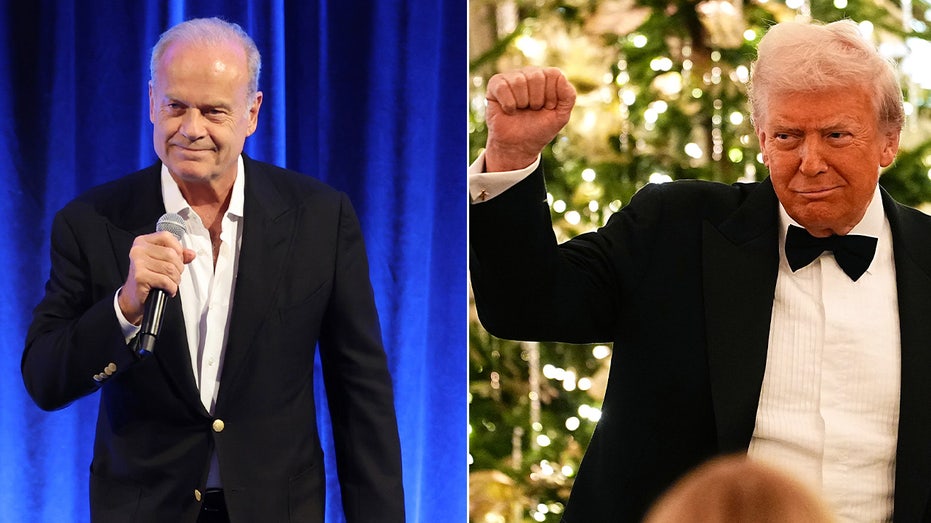
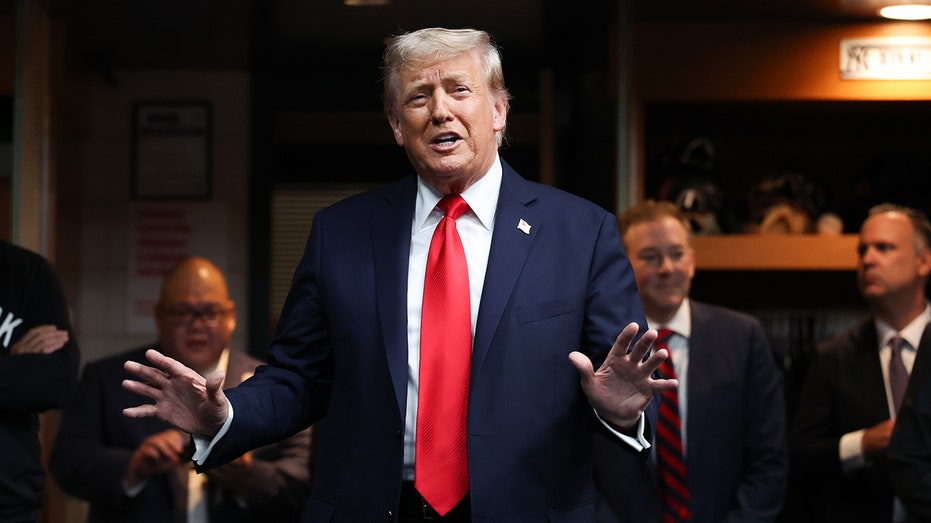
One underappreciated element in this saga is the reported support Sweeney received from President Donald Trump. For a sitting or former president to weigh in on a jeans ad reflects how thoroughly culture and politics have fused.
Trump’s involvement does several things at once:
- Politicizes the brand: Whether American Eagle likes it or not, a Trump endorsement places the company within a specific political narrative — anti-woke, pro-traditional branding.
- Amplifies the story: What might have remained a niche entertainment-industry controversy becomes a national culture-war talking point.
- Signals to marketers: That celebrity campaigns can become fodder for political signaling, making them both more powerful and more perilous.
This is part of a broader trend where consumer choices — beer, sneakers, streaming services, and now jeans — are read as political identity statements. Sweeney’s campaign sits squarely in that space, whether she wants it to or not.
What’s Being Overlooked: The Representation Gap in the Backlash
Most coverage has focused on whether the ad was “offensive” or “anti-woke,” but there’s a quieter question lurking beneath: why do brands so reliably choose the same aesthetic template when they want to go viral with sex appeal?
Even as fashion and beauty industries diversify their casts, the most heavily promoted “controversial bombshells” — the ones compared to Monroe, the ones whose campaigns become stock-moving events — still overwhelmingly fit a very narrow mold. That continuity matters, because it shapes who young consumers see as the default standard of desirability.
The debate over “great genes” is partially about language, but more fundamentally about whose bodies are coded as “great” and why. Without confronting that underlying pattern, swapping out taglines does little to shift the deeper power structure of representation.
Looking Ahead: What This Means for Brands, Celebrities, and Audiences
Several long-term implications are emerging from the Sweeney–American Eagle case:
- Brands will normalize managed controversy. Expect more campaigns that court the edge of acceptability, backed by data showing that online outrage can coincide with positive financial performance — at least in the short term.
- Celebrity contracts will increasingly price in risk. Stars whose campaigns move markets, even amid controversy, will command higher fees and stronger creative control clauses. Publicists will also have to prepare crisis protocols that protect clients from being permanently pegged as political symbols.
- Audiences will face “outrage fatigue.” As more campaigns lean into controversy, consumers may become desensitized, forcing brands to escalate even further to achieve the same level of attention — a dynamic that can ultimately backfire.
- Regulators and advocacy groups may push for clearer standards. If language with racialized or eugenic histories becomes a recurring flashpoint, we may see industry bodies offer stronger guidelines or watchdogs increase scrutiny.
Sydney Sweeney isn’t just being compared to Marilyn Monroe; she’s being used as a proxy in debates about whiteness, feminism, free expression, and “wokeness.” That’s the real shift from Monroe’s era to Sweeney’s: no celebrity image is ever just about glamour anymore. It’s about which side of a divided culture can claim that image as proof of its own correctness.
The Bottom Line
Behind the viral headlines — Sweeney’s “great jeans,” the backlash, the bump in American Eagle’s value — lies a deeper transformation in how sexuality, celebrity, and corporate risk intersect. The Monroe comparison isn’t just nostalgic; it highlights how a familiar archetype now operates in a radically different media ecosystem.
What happens next will depend on whether brands and celebrities treat this episode as a one-off win or as a playbook. If it’s the latter, we’re likely heading into a decade where our most visible beauty icons are not only selling products, but also serving as flashpoints in an ongoing, and increasingly profitable, culture war.
Topics
Editor's Comments
What worries me most about the Sweeney–American Eagle episode isn’t whether this particular ad was intentionally coded or merely careless. It’s the lesson the market may take from it. A 10% stock bump and a wave of earned media send a powerful signal to boards and CMOs: controversy pays. In the short term, that almost certainly means more campaigns engineered to live on the knife’s edge of offense, particularly with talent whose looks and following virtually guarantee virality. But there’s a long game here that investors and executives often downplay. The normalization of outrage as a marketing input corrodes trust. Consumers start to assume they are being baited; every “edgy” campaign looks like a ploy, not a position. And when every product becomes a proxy battle in the culture wars, opting out — disengagement from brands altogether — becomes the only truly apolitical choice. That kind of quiet, cumulative withdrawal isn’t as visible as a boycott hashtag, but it can be far more damaging over time.
Like this article? Share it with your friends!
If you find this article interesting, feel free to share it with your friends!
Thank you for your support! Sharing is the greatest encouragement for us.