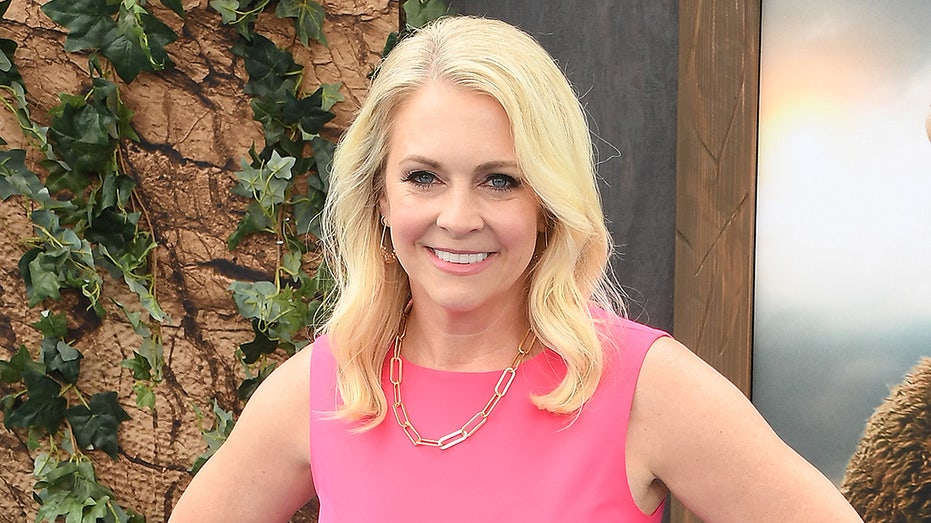
What Melissa Joan Hart’s Maxim Scandal Really Says About 90s Hollywood

Sarah Johnson
December 14, 2025
Brief
Melissa Joan Hart’s near-firing over a 1999 Maxim cover reveals how 90s Hollywood policed young female stars’ sexuality, blurred actor–character boundaries, and used morality clauses to protect lucrative ‘wholesome’ brands.
Melissa Joan Hart, Maxim, and the 90s Culture Wars Over Female Stardom
The near-firing of Melissa Joan Hart from “Sabrina the Teenage Witch” over a 1999 Maxim cover isn’t just a bit of nostalgic gossip. It’s a snapshot of a turning point in Hollywood, when teen-girl brand purity, male-driven media, and emerging celebrity sexualization collided in a way that still shapes how young stars are packaged and policed today.
A ‘Wholesome Witch’ in a Maxim World
At the surface level, the story is simple: Hart did a racy Maxim shoot to promote her teen rom-com “Drive Me Crazy.” Maxim used the label “Sabrina” on the cover. Her contract said the character Sabrina could never appear nude or in a way implying nudity. Her bosses briefly moved to fire her, before backing off once it became clear she hadn’t authorized the character branding.
But underneath this contractual dispute is a deeper clash: a studio-backed “wholesome” TV persona colliding with a late-90s media culture that aggressively monetized the sexualization of young female celebrities. That tension—between the girl-next-door brand and the male-gaze-driven marketplace—defined much of the era’s treatment of teen and young adult women in the public eye.
How the 90s Built—and Sold—‘Good Girl’ Brands
In the 1990s, cable was exploding, but network TV still ruled family programming. Stars like Melissa Joan Hart (“Clarissa Explains It All,” then “Sabrina”), Tiffani Thiessen (“Saved by the Bell”), and others became multi-million-dollar intellectual property, not just performers. Their image was part of a carefully built asset aimed at parents as much as kids.
Television contracts began embedding strict morality and image clauses—sometimes explicit, sometimes sprawling and vague. The Sabrina clause barring nudity or implied nudity for the character fits a broader pattern: studios sought to guarantee that a lead actor wouldn’t torpedo the value of a show by suddenly becoming a tabloid scandal or a symbol of “inappropriate” sexuality for minors.
This wasn’t only about prudishness; it was economics. In 1998–2000, “Sabrina” was franchised across global syndication, merchandise, novelizations, and tie-ins. That revenue depended on parents trusting the show as age-appropriate. A perceived violation of that trust could hit licensing and distribution deals, especially in more conservative markets.
Maxim, Britney, and the Era of Marketed Innocence vs. Sexuality
The Maxim episode also sits within a specific media moment. Between the mid-90s and early 2000s, magazines like Maxim, FHM, and Stuff built massive circulation largely on semi-clothed shoots of actresses and pop stars who were otherwise sold as “good girls” or teen idols. The appeal rested in the tension: the star was famous for being clean-cut; the men’s magazine offered a “naughty” version of that same persona.
Hart appears in the Maxim story alongside Britney Spears—another star whose career was shaped by this push-pull between marketed innocence and aggressive sexualization. From the “…Baby One More Time” schoolgirl outfit to later tabloid coverage, Spears became the emblem of a cultural script that insisted young women be both chaste and available, empowered and compliant, sexy but never “too” sexual on their own terms.
Hart’s experience shows how that script wasn’t just cultural; it was contractual. The Sabrina brand had one set of rules; the broader entertainment machine had another. A men’s magazine seeing ratings and sales in pairing a child-friendly brand with sexualized imagery pushed right into that fault line.
The Power—and Limits—of Morals Clauses
Legally, the most revealing part of this story is the contract language around the Sabrina character:
- Hart was contractually barred from allowing the character Sabrina to be portrayed nude or implying nudity.
- She participated as Melissa Joan Hart, promoting a feature film, not the sitcom.
- Maxim unilaterally branded the cover with “Sabrina,” blurring the contractual line between actor and character.
This illustrates both the reach and the fragility of so-called “morals clauses.” Studios often draft them broadly to give themselves leverage. But enforceability can hinge on details: who used the character name, who controlled the marketing, and whether the actor knowingly breached the specific limitations.
Entertainment lawyers point out that, even today, these clauses remain contested terrain. They’re designed to be flexible, allowing networks to distance themselves from scandal, but the Hart case highlights how easily they can clash with an actor’s right to pursue other work, including adult audiences or more mature roles as they age.
Brand Control, Gender, and the Double Standard
It’s hard to imagine a male star facing the same level of existential career threat for a sexualized magazine shoot. In the 90s and early 2000s, young male actors—think Leonardo DiCaprio, Freddie Prinze Jr., Mark Wahlberg—were marketed as heartthrobs. Shirtless spreads and suggestive campaigns were standard, often enhancing their brand rather than risking it.
For women, the stakes were different. The “good girl gone too far” narrative was a favorite media trope, with real consequences. Think of how Jessica Simpson’s transition from Christian teen pop star to sex-symbol reality TV star was scrutinized, or how Christina Aguilera’s “Dirrty” era was attacked as a betrayal of her earlier image.
Hart’s story adds another layer: she wasn’t trying to shed her Sabrina image altogether. She was promoting a mainstream teen film. Yet the narrow tolerance window for how “family” actresses could present themselves meant that even a PG-13-level Maxim spread triggered a near-firing—while a men’s magazine leveraged that same tension for profit.
Emotional Toll: The Career Rollercoaster Hidden Behind a Red Carpet Photo
Hart’s recollection of her bloodshot eyes in a photo with Britney Spears—after being told she’d been fired from a cameo in “Scary Movie” for not having “big enough boobs,” then told she might be fired from her own show—captures something often invisible in celebrity coverage: the psychological whiplash of being commodified and judged on physical attributes.
It’s a double injury. First, a role is stripped from her because her body doesn’t match a hyper-sexualized stereotype. Then, another job is threatened because a photo leaning into sex appeal is seen as too much for her “wholesome” brand. The message: your body is central to your value, but there is no safe way to inhabit that reality.
How This Prefigured Today’s Brand-Image Battles
Fast-forward two decades, and the industry looks different but familiar. Social media has shifted power, allowing performers to speak directly to fans and craft their own narratives. Yet the same tension persists:
- Disney and Nickelodeon alumni like Miley Cyrus, Selena Gomez, and Ariana Grande all navigated public battles over how quickly and how explicitly they could embrace adult sexuality without being framed as “out of control” or “ungrateful” to their family-friendly roots.
- Streaming contracts now often have brand-protection clauses, especially for young or youth-facing franchises, but actors also build independent fanbases on Instagram, TikTok, and OnlyFans, opening new fronts in the brand-control tug-of-war.
- Audience norms have shifted: feminist criticism and media literacy are far more mainstream, and many viewers are more sympathetic to stars resisting restrictive branding. Yet outrage cycles—often weaponized online—can still lead to professional fallout.
In that sense, Hart’s 1999 Maxim moment feels like an early case study in what would become a recurring pattern: young women trying to transition out of children’s or teen roles facing intense scrutiny not just for their talent, but for how they display or conceal their sexuality.
Maxim’s Naming Choice: A Small Detail with Big Implications
The fact that the crisis hinged on Maxim calling her “Sabrina” rather than “Melissa Joan Hart” is more than a legal footnote. It captures how media outlets casually appropriate character identities to sell sex, while the financial and career risks fall squarely on the performer.
Here, Hart’s livelihood was jeopardized not because she negotiated a “sexy Sabrina” crossover, but because a magazine editorial team made a branding decision they did not have to bear any legal or financial risk for. The show’s producers then pointed their contractual guns not at Maxim, but at Hart. That allocation of power—platforms profit, performers absorb the risk—is still pervasive in media today.
From ‘Career-Ending Panic’ to ‘Bonus Press’
Hart now describes the incident as something that “worked out to turn into really good press” for her movie—another reminder that Hollywood crises are often retroactively reframed as savvy PR. But that retrospective calm can obscure how precarious the moment felt: a young woman being told, in rapid succession, that she’d lost one job because her body wasn’t sexual enough and might lose another because her image was too sexual.
The irony is that the uproar may indeed have drawn more attention to “Drive Me Crazy” and reinforced Hart’s name recognition. In a media economy that thrives on controversy, a near-firing can become free marketing. Yet that doesn’t make the underlying system any less punishing for the people inside it.
What This Story Reveals About Hollywood’s Unfinished Business
Several broader themes emerge from Hart’s anecdote:
- Women’s bodies remain a site of contractual control. Even as stars gain more personal platforms, studios still try to regulate how they appear and what that suggests to audiences.
- The actor–character boundary is routinely blurred for profit. That’s great for marketing, dangerous when it comes to reputational and legal risk.
- Double standards persist. Men’s sexualized imagery is usually framed as evidence of charisma or confidence; women’s is more likely to be policed as a moral or branding problem.
- ‘Morals’ often mask market considerations. The concern wasn’t abstract virtue but the perceived vulnerability of a lucrative family IP.
As new generations of performers emerge through YouTube, TikTok, and streaming, the Melissa Joan Hart–Maxim incident reads less like quaint 90s trivia and more like an early chapter in a still-unfinished story: who gets to control the intersection of youth, sexuality, and mass-market entertainment, and who pays when that control is contested.
Looking Ahead: Lessons for Today’s Young Stars
For young actors now navigating similar terrain, Hart’s experience underscores a few tangible lessons:
- Contract literacy is critical. Understanding the exact boundaries around character use, nudity, and publicity can prevent or mitigate crises.
- Image strategy needs long-term thinking. Each photoshoot or brand partnership exists within an ecosystem of other roles, endorsements, and public expectations.
- Challenging double standards requires leverage. Stars with strong fanbases and direct communication channels are better equipped to push back against restrictive or hypocritical image demands.
Hart’s recollection, told decades later on a podcast, is also a reminder of another shift: the rise of celebrities as narrators of their own past traumas and near-misses. These stories don’t just feed nostalgia—they help map the hidden power dynamics of an era that shaped, and still shapes, how we watch, judge, and value women on our screens.
The Bottom Line
Melissa Joan Hart’s brush with firing over a Maxim cover isn’t only a story about a 90s TV witch and a men’s magazine. It’s a case study in how female stardom is managed at the intersection of moral panic, contractual control, and market demand—and how precarious that balancing act can be when a young actress tries to grow up in public.
Topics
Editor's Comments
What stands out most in Hart’s story is not the salacious detail of a Maxim shoot, but how casually a men’s magazine’s marketing choice nearly cost a young woman her livelihood. The decision to label her as “Sabrina” was, from an editorial standpoint, a trivial sales tactic; from a contractual standpoint, it was a potential breach with multimillion-dollar implications. Yet the pressure and blame flowed toward Hart, not toward the outlet that blurred the line between actor and character. This dynamic feels eerily familiar in today’s creator economy, where platforms and media brands still profit from pushing the boundaries of a performer’s image, while the individuals bear the reputational and contractual risk. The unresolved question is whether our current legal and ethical frameworks have caught up with that reality—or whether we’re still accepting a model where corporations externalize risk onto the very people whose images they exploit.
Like this article? Share it with your friends!
If you find this article interesting, feel free to share it with your friends!
Thank you for your support! Sharing is the greatest encouragement for us.