
Beyond the Headlines: What the NYU Student Assault Reveals About Criminal Justice and Urban Safety Failures

Sarah Johnson
December 3, 2025
Brief
An in-depth analysis of a repeat offender’s attack on an NYU student reveals systemic criminal justice failures, urban safety challenges, and implications for public policy and community trust in New York City.
Opening Analysis
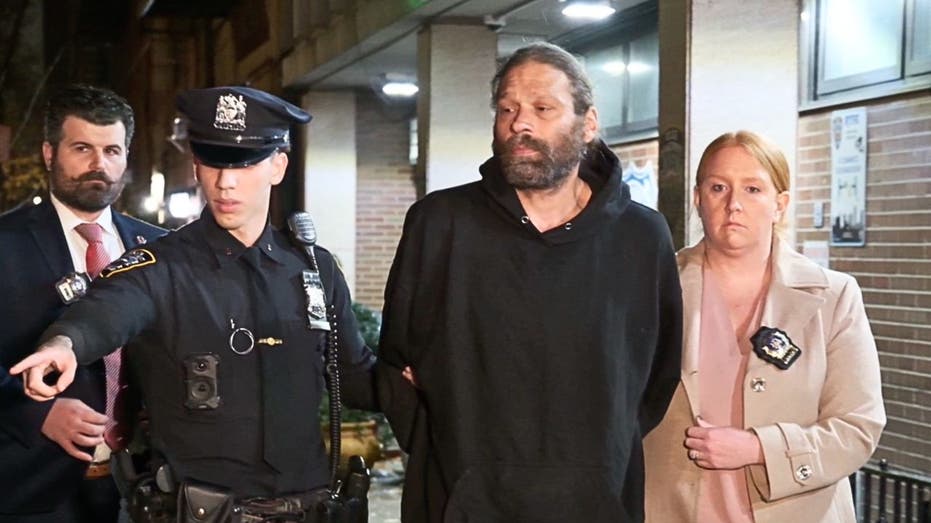
The recent attack on a New York University student by James Rizzo, a man with a deeply troubling criminal history including 16 prior arrests, spotlights critical weaknesses in criminal justice and public safety systems in urban America. This incident is far more than an isolated act of violence; it reveals persistent challenges surrounding recidivism, parole monitoring, and the complex dynamics of safety in large cities. Examining this episode shines a light on systemic failures and societal tensions often overlooked in sensational headlines.
The Bigger Picture
New York City has long struggled with violent crime and public safety concerns, particularly in dense urban neighborhoods like Manhattan. While violent crime declined significantly in the 1990s and early 2000s, the last decade has seen fluctuations with troubling upticks in assaults affecting vulnerable populations, including women and students. James Rizzo’s case exemplifies this uneasy reality. His criminal record spans decades and a variety of offenses, including sexual abuse, forcible touching, repeated assaults, burglary, and an arrest for murder (without conviction). His continued presence on city streets while on active parole raises questions about the adequacy of current systems.
Historically, recidivism among sex offenders and violent criminals has been a major challenge for law enforcement and corrections. Despite rehabilitation programs and supervision, many offenders cycle back into criminal behavior, fueled by systemic gaps such as understaffed parole systems, lack of mental health support, and insufficient community resources. The fact that Rizzo was released after serving a two-year sentence for persistent sexual abuse and was still actively committing crimes highlights these entrenched problems.
What This Really Means
This attack underscores how the justice system’s fragmented mechanisms for supervision and intervention can fail survivors and communities, undermining public trust. The parole system is intended to balance reintegration with public safety, yet cases like Rizzo’s prompt an urgent reevaluation of how risk is assessed and managed.
Moreover, this incident sheds light on the lived realities of urban women, especially students, who navigate fear in spaces they should inhabit safely. The victim’s public outcry captures a pervasive anxiety—walking to class should not feel dangerous. It also illustrates how assaults by repeat offenders erode quality of life and heighten demands for political and policing reform.
Politically, the situation feeds into broader disputes about criminal justice policy, law enforcement priorities, and mayoral leadership in New York City. Calls from local politicians for firings and more proactive public safety measures reflect a city grappling not just with crime statistics, but with community confidence.
Expert Perspectives
Dr. Karen Baker, Criminologist and Professor at John Jay College: "Rizzo’s repeated offenses highlight shortcomings in parole supervision and risk assessment protocols. There needs to be more emphasis on tailor-made rehabilitation, real-time monitoring, and interagency coordination to prevent these tragic recurrences."
Michael Torres, Former NYPD Commander and Public Safety Analyst: "The system’s failure to keep dangerous parolees in check is a wake-up call. We must invest in better resources for parole officers and rethink sentencing guidelines to prioritize public protection without abandoning rehabilitation."
Dr. Lisa Chen, Sociologist specializing in urban safety: "Incidents like this deepen fear among women in public spaces, undermining social cohesion. Effective urban safety policies must include gender-sensitive approaches, community policing partnerships, and survivor-centered support systems."
Data & Evidence
Numerous studies emphasize the high rates of recidivism among sex offenders and violent criminals. A 2023 report from the Bureau of Justice Statistics found that approximately 67% of released prisoners are rearrested within five years, with sexual offenders showing varied recidivism rates depending on supervision intensity.
In New York City, the NYC Crime Control Strategies Report (2024) notes a rising number of assaults reported in Manhattan neighborhoods adjacent to large universities, correlating with under-resourced street-level enforcement.
Parole staffing shortages remain acute nationwide. The National Parole Resource Center reported in 2022 that many states operate with a caseload double the recommended number per parole officer, impeding effective monitoring.
Looking Ahead
This case serves as a catalyst for multiple potential reforms: improved parolee risk assessment incorporating behavioral and mental health evaluations; enhanced data integration between parole boards, police departments, and community organizations; investments in trauma-informed urban safety programs; and expanded survivor advocacy services on campuses and public spaces.
Politically, the fallout could influence upcoming local elections, pressing leaders to propose more robust crime-prevention platforms. Communities may increasingly demand transparency and accountability on how parole and reentry systems function.
For universities, this underscores the importance of campus safety collaborations with municipal law enforcement and the need to employ technology and community engagement to protect students without fostering fear.
The Bottom Line
The assault on the NYU student by a repeat offender with a long criminal history is not simply a headline-grabbing incident but a prism through which deeper systemic issues can be examined. Failures in criminal justice supervision, evolving urban safety challenges, and the gendered experience of public spaces converge in this story. Addressing these intertwined problems requires nuanced policy responses, cross-sector cooperation, and a commitment to rebuilding public confidence.
Topics
Editor's Comments
This case is a painful reminder that public safety is a complex ecosystem—one that cannot be fixed by arrests alone. It challenges us to rethink assumptions about how justice is administered, how parole systems function, and who bears responsibility for community protection. While the instinct may be to call for harsher punishments, the reality is that without robust rehabilitation and systemic investment, our cities risk cycling through violence repeatedly. This story urgently calls for a multifaceted approach, including mental health services, improved monitoring, better data sharing across agencies, and community-driven strategies focused on prevention rather than reaction. It also pushes back against complacency about urban safety, especially for women, who continue to face disproportionate risks simply in everyday spaces.
Like this article? Share it with your friends!
If you find this article interesting, feel free to share it with your friends!
Thank you for your support! Sharing is the greatest encouragement for us.