Serena Williams and the Complex Realities Behind a Potential Tennis Comeback

Sarah Johnson
December 3, 2025
Brief
Serena Williams’ reentry into professional tennis drug-testing raises complex questions about athlete retirement, legacy, and the evolving nature of sports careers beyond surface comeback rumors.
Opening Analysis
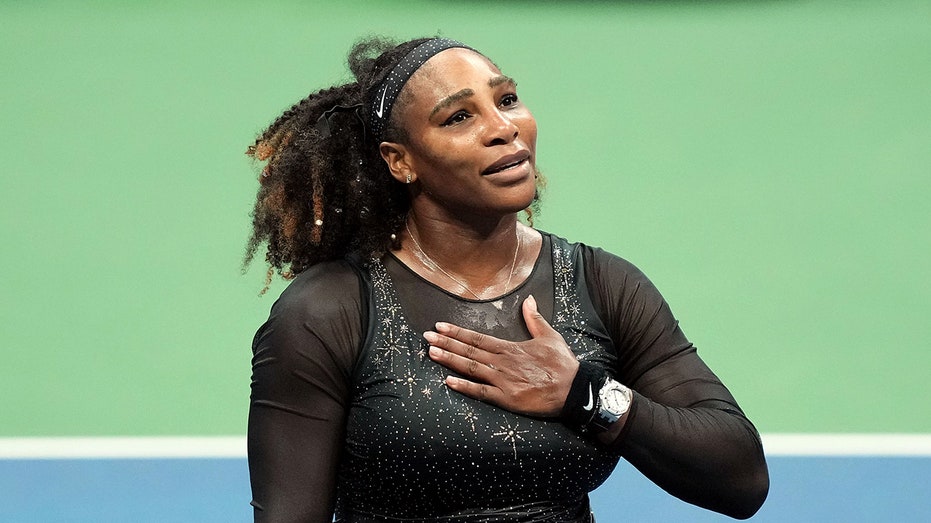
Serena Williams’ recent reentry into the International Tennis Integrity Agency (ITIA) drug-testing pool has reignited speculation about a potential comeback to professional tennis after her 2022 retirement. While Williams herself has publicly dismissed rumors of an imminent return, this procedural step reveals deeper strategic considerations and highlights ongoing conversations about athlete retirement, legacy, and the evolving nature of career longevity in elite sports. This development is far from trivial—it touches on larger themes around athletes’ transitions, the management of public narratives, and the structural frameworks governing professional sport reentry.
The Bigger Picture
Serena Williams is widely recognized not only as one of tennis’ greatest players but also as a cultural icon whose influence transcends sports. With 23 Grand Slam singles titles, she stands just behind Margaret Court’s all-time record of 24—a record that has been encased in historical controversies relating to Court’s era and off-court political statements. Williams’ retirement in 2022 following the U.S. Open marked an emotional endpoint for many fans; however, it wasn’t a formal cessation without room for return. Unlike her sister Venus, who never officially retired and thereby maintained competitive eligibility with less administrative hassle, Serena’s ‘official retirement’ required her to exit the ITIA testing pool, removing her from routine out-of-competition drug testing obligations.
This testing pool is a critical element of professional tennis’ anti-doping framework, designed to maintain the sport’s integrity. Reentry requires at least six months of compliance with testing protocols before competition is permitted, ensuring fairness and adherence to evolving standards. Serena’s registration in October 2025—albeit without confirmation of playing intentions—signifies either a practical preparation for a possible comeback or a strategic maneuver to keep options open. The notion of ‘retirement’ in modern professional sports has become fluid, often reflecting athletes’ shifting motivations, health trajectories, or external opportunities.
What This Really Means
At first glance, Serena’s presence on the drug-testing list might be misread as a clear signal of her imminent return to tennis tournaments. However, the reality is more nuanced. Maintaining eligibility by reentering the testing pool is a procedural necessity for athletes who wish to compete again after official retirement. The six-month lead time means that any future competitive appearances cannot happen immediately, which helps quash sensationalist timelines.
Serena’s public denial of a comeback via social media reflects an acute awareness of narrative control. She faces the dual pressures of media speculation and fan expectations while balancing personal goals and realities—including physical health, family commitments, and potential business pursuits outside tennis. This tension spotlights larger issues athletes face when retiring: managing identity beyond sport and the pull between legacy cementing and new life chapters.
Importantly, Serena’s step to preserve the option to compete again, theoretically aiming for Margaret Court’s record, underscores the continuing relevance of historical benchmarks in athlete motivation. Titles and records remain potent symbols of excellence and immortality in sport. Her potential return would not only challenge the notion of finality traditionally surrounding retirement but also influence tennis’s generational dynamics, sponsorship landscapes, and media focus.
Expert Perspectives
Dr. Emily Carlson, Sports Psychologist: “Athlete retirement can be a complex psychological transition. For someone like Serena, whose identity is so closely linked to performance and competition, the prospect of returning can coexist with the need for personal growth outside of sport. Her reentry into the testing pool may reflect a strategic preservation of choice rather than immediate intent.”
Dr. Michael Chen, Sports Medicine Specialist: “At 44, returning to the elite physical demands of Grand Slam tennis is incredibly challenging but not impossible. Advances in sports science enable longer careers, yet injury risk and recovery time increase. Serena’s extensive injury history will be a factor if she chooses to compete again.”
John Murray, Former ATP Player and Commentator: “The beautiful thing about tennis today is flexibility. We’ve seen players extend careers well beyond previous norms. Serena’s name on the ITIA list means she’s hedging her bets. It’s smart to keep doors open given the love for the game and changing personal circumstances.”
Data & Evidence
- Williams holds 23 Grand Slam singles titles, placing her second in the Open Era behind Margaret Court's 24.
- She last competed at the 2022 U.S. Open, reaching the third round—a testament to high-level competitiveness even at retirement age.
- Historically, tennis players’ average retirement age has increased; top female players now often compete into their late 30s and early 40s, e.g., Venus Williams, Kimiko Date, and others.
- Research indicates roughly a six-month mandatory drug-testing compliance period for retired players reentering competitive pools to ensure fairness against doping.
- Approximately 15% of retired elite athletes across multiple sports have made comebacks within 3-5 years of retirement, often spurred by shifts in motivation, financial considerations, or unresolved competitive desires.
Looking Ahead
The next 6-12 months will be telling. If Serena remains in the ITIA testing pool, it signals a readiness to comply with rules and the possibility—but not certainty—of a competitive return. Fans and stakeholders should watch for signs such as participation in exhibitions, training announcements, or official tournament entries toward the end of this window.
Beyond Serena’s personal decisions, her status will continue to influence broader tennis dynamics, especially in the women’s game’s generational transitions. A comeback at 44 would challenge assumptions about age limits, rehabilitation potential, and competitive viability, inspiring other athletes contemplating similar returns or extended careers.
Her actions may also spur discussions on athlete retirement policies, mental health support, and flexibility within regulatory environments. As tennis grapples with issues like inclusivity, legacy debates, and commercial evolution, Serena’s narrative remains central.
The Bottom Line
Serena Williams’ registration with the ITIA testing pool is a procedural measure preserving the possibility—but not the guarantee—of a tennis comeback. It highlights the nuanced realities of athlete retirement, blending legal frameworks, personal motivations, and legacy considerations. While no immediate return appears likely, this move keeps the door open for one of the greatest athletes to revisit the sport’s biggest stages, challenging traditional ideas about career endpoints and inspiring ongoing dialogue about what it means to retire in contemporary professional sports.
Topics
Editor's Comments
Serena Williams' navigation of retirement and potential comeback epitomizes the shifting landscape of elite sports careers. Unlike previous generations, athletes today approach retirement not as a fixed endpoint but as a flexible phase with options for return, reinvention, or parallel ventures. This reality raises important questions about how sports institutions support transitions, how athlete identities evolve, and how fans and media interpret these moves. Moreover, Serena's scenario highlights the complex interplay between personal agency, regulatory frameworks, and public expectations. While nostalgia drives comeback stories, they also challenge the sustainability of peak performance and the ethics of competitive fairness at later stages of athletic life. Ultimately, Serena's case serves as a microcosm for broader transformations within professional sports culture.
Like this article? Share it with your friends!
If you find this article interesting, feel free to share it with your friends!
Thank you for your support! Sharing is the greatest encouragement for us.