Taiwan's $40 Billion Defense Boost: Strategic Resolve Amid Rising China Threat

Sarah Johnson
December 3, 2025
Brief
Analyzing Taiwan's $40B defense plan reveals its strategic recalibration against China's military threat, highlighting regional shifts, domestic politics, and implications for U.S.-Japan-Taiwan relations over the next decade.
Opening Analysis
Taiwan's recent unveiling of a $40 billion supplemental defense budget over the next decade marks a bold escalation in its efforts to counter the growing military threat posed by the People's Republic of China (PRC). This strategic investment—aimed at boosting defense spending to 5% of GDP by 2030—reflects a broader shift in Taiwan’s posture from strategic ambiguity toward robust deterrence. But beneath the headline numbers lies a complex web of historical tensions, domestic political challenges, evolving regional security dynamics, and delicate diplomatic signaling, especially involving the United States and Japan.
The Bigger Picture
The cross-strait conflict has its roots in the Chinese Civil War, which ended in 1949 with the Communist Party establishing the PRC on the mainland, while the defeated Nationalists retreated to Taiwan. Since then, Taiwan has developed into a vibrant democracy with its own government, yet the PRC continues to view the island as a breakaway province subject to eventual reunification, potentially by force.
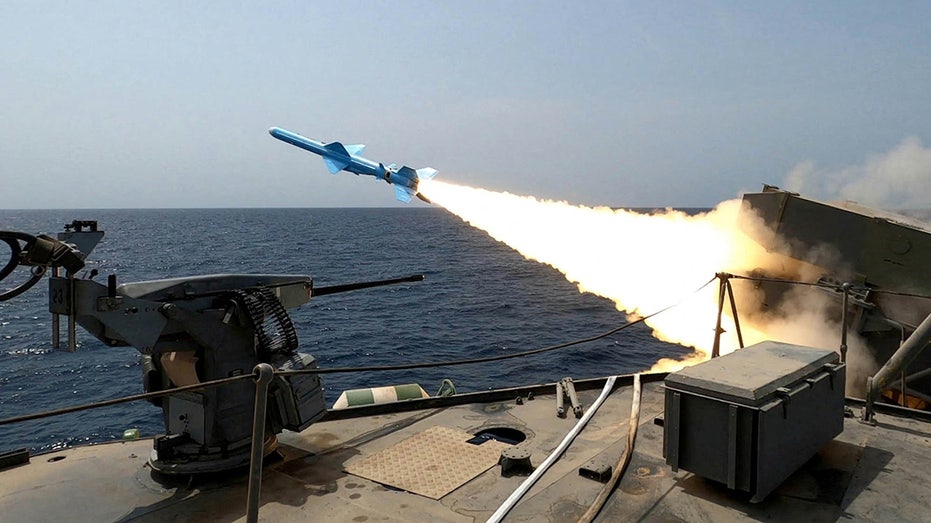
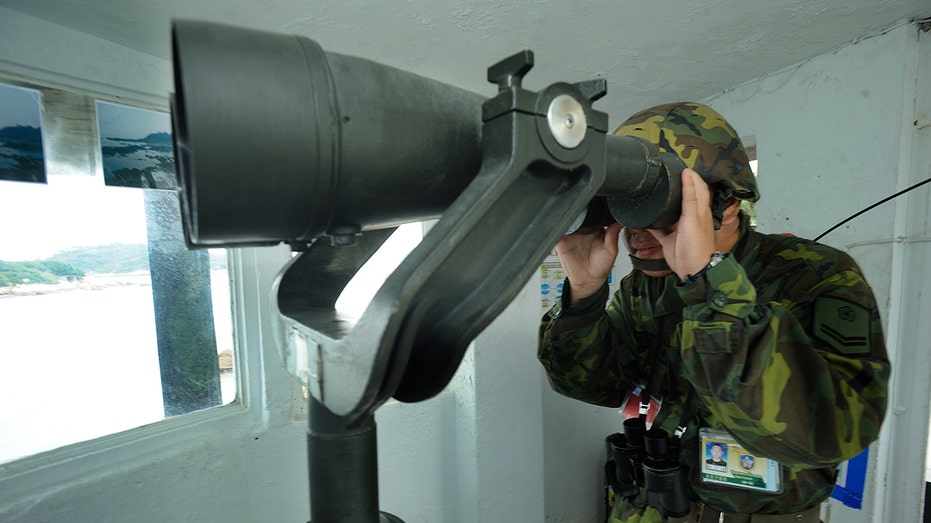
Historically, Taiwan relied heavily on U.S. security guarantees under the 1979 Taiwan Relations Act, which committed the U.S. to provide defensive arms and support without explicit commitments to direct military intervention. Over the last decade, the PRC has dramatically increased military activity around Taiwan, accelerating advanced missile deployments, amphibious training, and gray-zone tactics. In this context, Taiwan’s new defense spending strategy aims not only to upgrade its conventional forces but also to build resilience against a coercive blockade or invasion.
What This Really Means
The proposal to allocate roughly 5% of GDP to defense by 2030—nearly doubling current levels—signals a significant recalibration of Taiwan's national priorities and resource allocation. This is a direct response to the PRC’s rapid military modernization and aggressive stance toward reunification. Notably, the plan goes beyond procuring American weapons; it includes a push for indigenous defense manufacturing capabilities, such as a domestically produced "dome" anti-missile system, aiming to reduce dependence on foreign arms suppliers and bolster strategic autonomy.
Domestically, the initiative also exposes sharp divisions. Taiwan’s opposition Kuomintang party frames such high military spending as unsustainable and counterproductive, prioritizing social services and favoring rapprochement with Beijing under the ambiguous "1992 Consensus." These debates echo wider anxieties about the economic and social costs of militarization amidst an unrelenting PRC threat.
Regionally, Taiwan’s defense posture is testing longstanding ambiguities. Japan’s new conservative Prime Minister Sanae Takaichi broke from precedent by openly considering a Chinese attack on Taiwan as a national survival threat—an implicit shift toward deeper regional alignment on countering Chinese expansionism. Yet China’s vehement pushback—characterized by harsh rhetoric and diplomatic threats—reflects Beijing’s zero-tolerance stance on challenges to its sovereignty claims.
Expert Perspectives
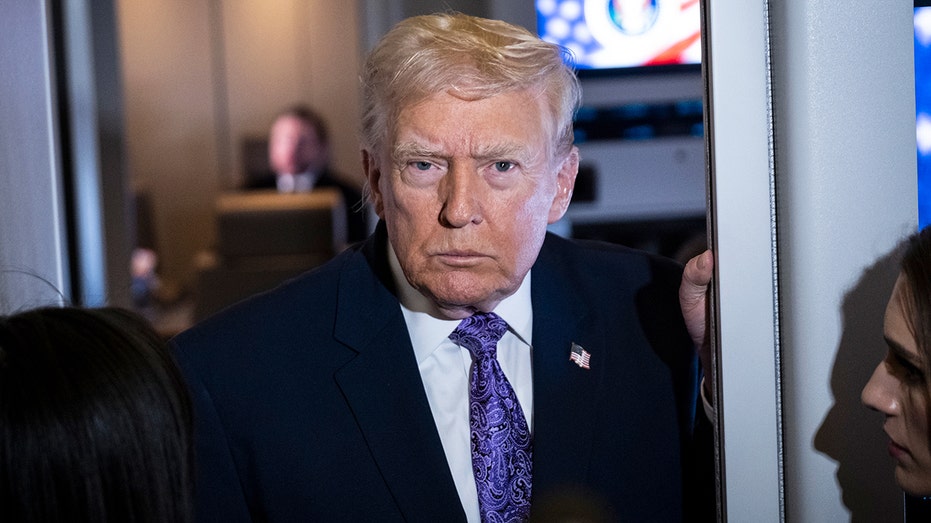
Ross Feingold, political risk analyst at Tamkang University, cautions that while U.S. support remains consistent, Taiwan needs to navigate its relationship with Washington pragmatically, especially given the oscillating tone under differing U.S. administrations. He notes, "If Taiwan is a willing buyer, the Trump administration is likely to be a willing seller," highlighting continuity amid political change.
Kerry K. Gershaneck, a former U.S. Marine counterintelligence officer and visiting scholar, stresses that the U.S. must take a firmer public stance against Chinese threats not just toward Taiwan but also its key allies like Japan. "Unless high-level Washington officials signal stronger support," he warns, "the Trump administration risks undermining regional confidence and appearing complacent toward Chinese aggression."
Bryce Barros, associate fellow at GLOBSEC and former U.S. Senate national security advisor, emphasizes the domestic hurdles Taiwan faces: "The budget faces tough opposition over its economic costs and potential to escalate hostilities. Yet, bipartisan backing is crucial and possible with sufficient political will." Barros underlines that delays or internal fractures could erode deterrence and invite further PRC coercion.
Data & Evidence
- Taiwan's current defense spending hovers around 2.3% of GDP, substantially lower than the proposed 5% by 2030.
- The People’s Liberation Army's (PLA) annual military budget exceeds $250 billion, reflecting a gap in scale and modernization that Taiwan aims to address partially through targeted investment.
- Between 2017 and 2025, PLA military exercises near Taiwan increased by over 60%, demonstrating an aggressive posture that Taiwan’s defense buildup directly responds to.
- Since 2019, the U.S. has notified Congress of over $20 billion in approved arms sales to Taiwan, signaling sustained strategic support.
Looking Ahead
Taiwan’s ambitious defense plan will be a litmus test for its internal political cohesion and the broader regional order. The success of this proposal hinges on Taiwan's ability to navigate parliamentary obstacles, integrate new technologies, and balance the signaling effects toward both Beijing and Washington.
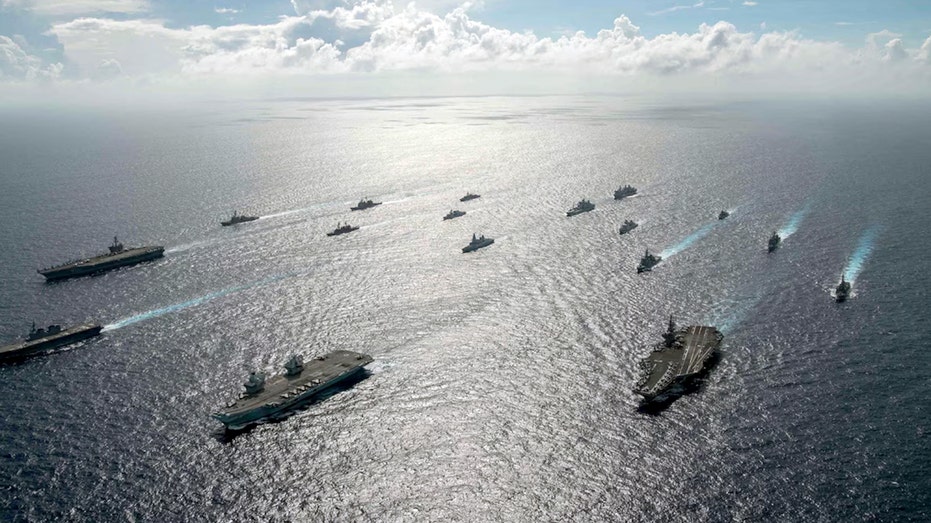
Internationally, how the U.S. and Japan concretely respond—beyond rhetorical support—will influence Taiwan’s strategic calculations. Will Japan’s new assertiveness evolve into tangible military cooperation? Will the U.S. Congress greenlight major arms deals in a timely fashion to meet Taiwan’s endorsement of accelerated procurement? Moreover, China’s response could include stepped-up gray-zone tactics, economic pressure, or military brinkmanship, making Taiwan’s investments in asymmetric and indigenous systems essential.
Finally, as Taiwan invests heavily in military readiness, it must also consider the risks of exacerbating tensions that could spiral toward unintended conflict. The island’s democratic government faces the immense challenge of convincing its population and legislative body that elevated defense spending, even at significant economic cost, is a necessary insurance policy to safeguard its autonomy and democratic values.
The Bottom Line
Taiwan’s $40 billion defense spending plan crystallizes a defining moment in the island’s century-long struggle for self-determination amid escalating Chinese pressure. This multi-layered strategy, emphasizing both enhanced U.S. arms procurement and domestic production, aims to transform Taiwan’s defense posture from reactive to proactively resilient. Success will depend on domestic political unity, sustained international backing—especially from the U.S. and Japan—and deft management of Beijing’s increasingly aggressive tactics. The stakes extend beyond Taiwan, influencing the security architecture of the entire Indo-Pacific region for years to come.
Topics
Editor's Comments
Taiwan’s $40 billion defense initiative is more than a response to Chinese military pressure; it’s a strategic gamble on the island’s future autonomy and democratic identity. The complexity lies in balancing assertive deterrence with the risks of economic sacrifice and political discord. The domestic opposition’s framing of the budget as an "ATM" issue underscores the fragility of Taiwan’s political consensus, which could undermine the very deterrence the plan seeks to establish. Meanwhile, Japan’s evolving security stance and U.S. bipartisan politics add layers of unpredictability to Taiwan’s security outlook. Observers must watch closely whether this plan results in a durable strategic posture or inadvertently accelerates tensions in the Taiwan Strait.
Like this article? Share it with your friends!
If you find this article interesting, feel free to share it with your friends!
Thank you for your support! Sharing is the greatest encouragement for us.