Texas AG’s Lawsuit Against EPIC City Developers: Unpacking Fraud, Religious Marketing, and Regulatory Lessons

Sarah Johnson
December 6, 2025
Brief
A deep dive into the Texas AG’s lawsuit against EPIC City developers reveals how religious identity and real estate marketing collide with securities law violations, exposing risks and broader regulatory challenges.
Why the Texas AG’s Lawsuit Against EPIC City Developers Signals a Crucial Moment in Real Estate and Religious Community Dynamics
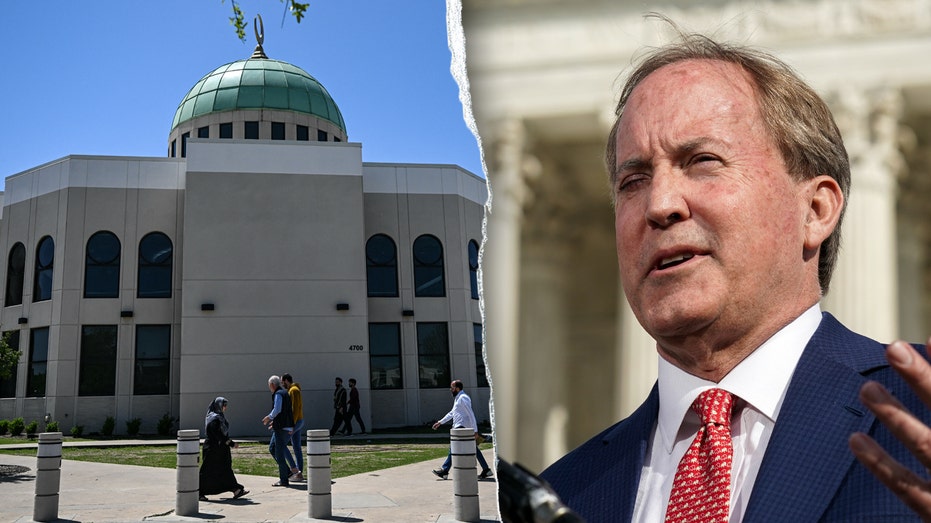
The recent lawsuit filed by Texas Attorney General Ken Paxton against the East Plano Islamic Center (EPIC) developers and Community Capital Partners marks a significant—and complex—turn in the intersection of real estate investment, securities regulation, and religious community marketing. At its core, this case raises urgent questions about investor protection, the use of religious identity in commercial ventures, and the broader implications for master-planned residential developments that claim cultural or religious uniqueness.
The Bigger Picture: Historical Context of Religious Communities and Real Estate Development
Master-planned communities associated with specific cultural or religious groups have a long history in the United States, reflecting efforts to build environments that cater to shared values, lifestyles, and social networks. From early 20th century Jewish suburban enclaves to contemporary Muslim-majority developments, these projects often serve dual purposes: providing a safe, cohesive social fabric while also capitalizing on the growing demand for faith-centered living spaces.
However, the commodification of religious identity in real estate can invite legal scrutiny, especially when investment interests intersect with regulatory frameworks like securities law. The allegation that EPIC City developers misrepresented the project’s location and failed to register securities properly echoes previous cases where private real estate ventures have run afoul of disclosure and investor accreditation rules. Historically, the U.S. Securities and Exchange Commission and state-level authorities have cracked down on projects that blur the line between community-building and profit-making schemes.
What This Really Means: Underlying Motivations and Broader Societal Trends
The core of the lawsuit alleges a fraudulent scheme involving the solicitation of tens of millions of dollars through misleading marketing that emphasized a Muslim-only community identity. This strategy taps into a broader trend whereby developers leverage cultural or religious uniqueness as a competitive advantage in saturated real estate markets, promising investors social value entwined with financial returns.
Yet, the case highlights the risks when such narratives overshadow compliance and transparency. The use of Islamic community branding, including language describing EPIC City as the "epicenter of Islam in North America," likely resonated deeply with target investors seeking both spiritual and economic belonging. However, the failure to properly register securities and to verify accredited investors exposes a gap between aspirations and legal responsibilities. It also raises uncomfortable questions about exploitation of minority communities, either knowingly or through negligence.
The developer’s alleged undisclosed receipt of salaries and misuse of funds for operating expenses further complicate the narrative, indicating possible internal governance failures. This pattern aligns with broader concerns in investment fraud cases where charismatic leadership masks financial mismanagement.
Expert Perspectives on Regulatory Enforcement and Minority Market Vulnerabilities
Texas Securities Commissioner Travis Iles referred the matter to Attorney General Paxton, emphasizing the "flagrant" violations identified. Regulatory experts note that securities sold without registration or valid exemptions are a major compliance red flag and undermine investor confidence.
Jamal Qureshi, a professor of real estate finance at the University of Texas, observes, "This case underscores the challenges regulators face when real estate ventures align closely with cultural or religious identities. Investors may be so motivated by community ties that they overlook due diligence, making rigorous enforcement and education vital."
Legal analyst Maria Nguyen adds, "The alleged misrepresentation of geographic location and utility access is a serious violation. It touches not only on investor fraud but on consumer protection, as buyers purchase what they believe is a tangible, serviced property. The invocation of religious marketing adds a layer of complexity regarding equitable treatment and perceptions of targeting."
Data & Evidence: Patterns in Real Estate Securities Violations
Real estate investment frauds involving misregistered securities are not uncommon. The North American Securities Administrators Association reported over 150 real estate-related enforcement actions annually at the state level between 2020 and 2024. Projects marketed on identity or exclusivity have occasionally sparked warnings about risks of misrepresentation.
In this case, approximately $40,000 to $80,000 buy-ins per investor and the solicitation of hundreds of investors quickly add up to tens of millions raised. The alleged withdrawal of over $1 million for undisclosed operating expenses violates transparency norms expected in offering documents, compounded by the absence of proper investor accreditation vetting.
Looking Ahead: Potential Legal Outcomes and Market Implications
If successful, Texas AG Paxton’s suit could result in fines, mandatory refunding of investor money, asset freezes, and more stringent enforcement for similar projects nationwide. The lead developer’s concealed compensation might prompt calls for stricter disclosure standards for executive pay in private real estate offerings.
The case could also deter future attempts to market developments through narrow religious or cultural branding without fully meeting financial regulatory requirements. This might stimulate dialogue within minority communities about balancing identity affirmation with pragmatic transparency in economic ventures.
Moreover, this lawsuit arrives amid a political climate in Texas marked by increased scrutiny of nonprofit and religious organizations’ financial activities, raising the stakes for similar projects and their funding mechanisms.
The Bottom Line
While community-focused developments that preserve cultural and religious heritage can provide meaningful living environments, this case starkly illustrates the consequences when those values are exploited for financial gain without proper oversight. The EPIC City lawsuit serves as a cautionary tale underscoring the paramount importance of transparency, regulatory compliance, and ethical leadership—especially when investor trust is intertwined with identity-based appeals.
Topics
Editor's Comments
This lawsuit against EPIC City developers is a potent reminder of the regulatory blind spots that can emerge when real estate investments intersect with identity-based marketing. While the promise of a faith-centered community can be appealing and socially meaningful, it also creates a high-trust environment that unscrupulous actors might exploit. The apparent disregard for foundational securities laws not only puts investor capital at risk but threatens the very legitimacy of community-building efforts within minority groups. Moving forward, it will be crucial for regulators, community leaders, and investors themselves to demand greater transparency and stronger safeguards to prevent such breaches. Additionally, this case illustrates how political narratives can intersect with economic regulation, especially in states like Texas where political leadership is actively pursuing vigorous enforcement. Observers should watch how courts interpret the balance between cultural promotional strategies and strict compliance requirements, as this will set benchmarks for future projects combining heritage and investment.
Like this article? Share it with your friends!
If you find this article interesting, feel free to share it with your friends!
Thank you for your support! Sharing is the greatest encouragement for us.