Trump’s Bold Move to Void Biden’s Autopen Signatures: Legal Legitimacy, Political Motives, and Future Implications

Sarah Johnson
December 3, 2025
Brief
A deep dive into Trump's move to void Biden's autopen-signed pardons and orders, exploring constitutional norms, legal risks, and the broader threat to executive legitimacy and democratic stability.
Opening Analysis
The recent announcement by former President Donald Trump to unilaterally void all documents signed by President Joe Biden's autopen device marks a profound escalation in the ongoing post-presidential power struggle. Beyond mere political theater, this move challenges established norms on presidential authority, executive legitimacy, and the legal framework surrounding the use of autopens, devices that have been part of presidential administrations for decades. Understanding why this claim matters—and how it fits into America’s broader democratic and constitutional landscape—is vital for appreciating the potential risks it poses to governance continuity and institutional stability.
The Bigger Picture
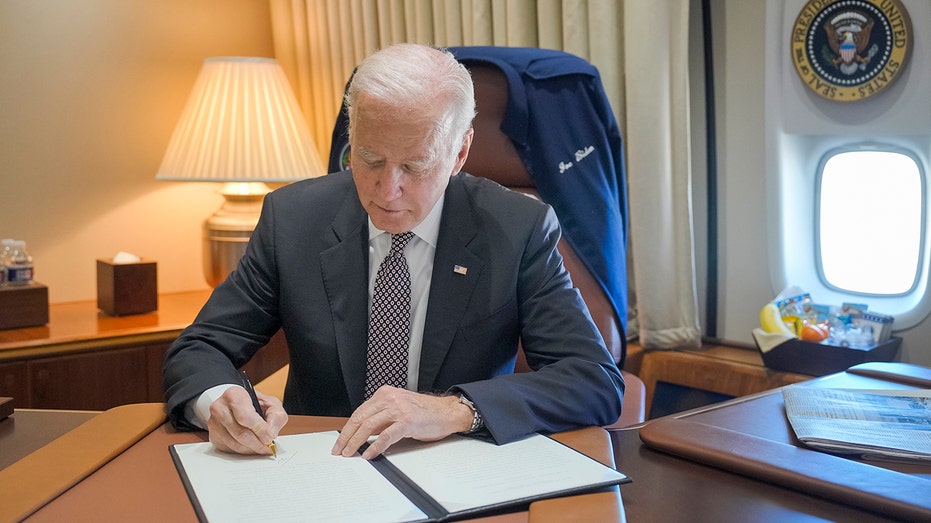
The autopen, a mechanical device that replicates a president’s signature, has been in official use since the Truman administration in the 1940s to handle routine administrative functions when presidents are unavailable to sign documents personally. Historically, this tool has facilitated the efficient processing of proclamations, pardons, and executive orders without the president’s physical presence, but generally under strict legal protocols and presidential authorization. Trump’s assertion that Biden’s use of the autopen was unauthorized and therefore invalid disrupts this accepted understanding of presidential delegation.
This challenge should be contextualized within the increasingly fraught partisan environment in U.S. politics, where norms around presidential transition, respect for executive decisions, and institutional deference have frayed over recent decades. Trump’s contention echoes broader disputes about executive legitimacy, with prior administrations on both sides recognizing and relying on autopen signatures as legally binding.
What This Really Means
Invalidating documents signed by autopen—including pardons and commutations—raises significant legal and constitutional questions. Pardons, for example, are a unique presidential power that, once granted, are traditionally deemed irrevocable except under extraordinary circumstances. Declaring these post-facto void puts recipients and justice system actors in unprecedented uncertainty, potentially reopening closed cases or invalidating relief granted to thousands of individuals.
Furthermore, this action blurs lines of authority: the president does not have unilateral power to invalidate a predecessor's legal acts retroactively. Legal scholars largely view such claims as lacking precedent and likely to trigger dire constitutional crises if enforced. The notion that 92% of Biden’s documents were autopen signed—if accurate—would mean an overwhelming portion of his administration’s executive functioning is suddenly called into question on procedural grounds rather than substantive legal faults.
Politically, this move is a powerful symbolic maneuver aimed at undermining Biden’s legitimacy and energizing Trump's base ahead of future elections, but it risks deepening institutional erosion and public distrust. It also invites more aggressive scrutiny of executive delegation practices, autopen use protocols, and the legal safeguards that ensure executive orders’ durability.
Expert Perspectives
Laurence Tribe, Harvard Law professor and constitutional expert, notes: "The use of the autopen device by a sitting president, authorized properly under White House protocols, carries full legal force. Any unilateral attempt by a succeeding president to void these documents lacks constitutional grounding and threatens the peaceful transfer of power."
Norman Eisen, former special counsel to the House Judiciary Committee, adds: "This unprecedented approach does not merely revisit administrative procedures—it challenges fundamental executive authority. Such claims could spawn extensive litigation and jeopardize the rule of law that undergirds the presidency itself."
Sarah Binder, political scientist at George Washington University, remarks: "Trump’s insistence on invalidating autopen documents reflects a broader post-truth era trend where institutional rules and processes are weaponized for political advantage, undermining democratic stability."
Data & Evidence
- Biden’s administration reportedly signed over 160 executive orders, with claims that 92% involved autopen signatures rather than hand signing.
- More than 1,500 pardons and clemency grants occurred toward the end of Biden’s presidency, including controversial figures such as Dr. Anthony Fauci and members investigating January 6 events.
- Historical autopen usage dates back to President Truman, accepted as routine procedure for efficiency and delegation within executive branch operations.
- Legal precedent strongly supports that documents signed by autopen under explicit presidential authority carry the same weight as those signed by hand.
Looking Ahead
The legal fallout of Trump’s declaration—if pursued—would almost certainly involve protracted court battles, testing the judiciary’s role in adjudicating presidential power disputes. This development also signals a potential constitutional crisis that could exacerbate fragmentation between branches of government and deepen political polarization.
Beyond courts, Congress might be pressured to clarify or legislate executive signature protocols to prevent future abuses or misinterpretations. Meanwhile, the public’s perception of the presidency risks further erosion if such strategies become normalized political tools rather than aberrations.
More broadly, this incident foreshadows ongoing volatility in executive governance norms that future administrations must navigate carefully to safeguard democratic institutions and public trust.
The Bottom Line
Donald Trump’s vow to void Joe Biden’s autopen-signed documents represents more than a partisan dispute—it challenges accepted constitutional practices and executive legitimacy. While rooted in procedural claims, the move risks institutional destabilization by inviting legal uncertainty around the executive branch's fundamental functions. It underscores the fragility of norms underpinning the U.S. presidency in today’s polarized political climate and raises urgent questions about how governance continuity and legitimacy will be preserved moving forward.
Topics
Editor's Comments
This episode illustrates the growing tendency for American political actors to weaponize procedural technicalities for partisan gains. While on the surface it appears a narrow legal dispute over signature methods, the deeper concern is a systemic erosion of democratic norms. The willingness to dispute actions long settled undermines not only executive branch functionality but also public confidence in government. It prompts urgent questions about the resilience of constitutional safeguards when faced with concerted efforts to unsettle institutional norms. Future administrations and Congress must take seriously how to balance efficient delegation with the imperative for legitimacy and continuity.
Like this article? Share it with your friends!
If you find this article interesting, feel free to share it with your friends!
Thank you for your support! Sharing is the greatest encouragement for us.