Why Record-High Democratic Anger and Political Polarization Signal a Crisis for U.S. Governance

Sarah Johnson
December 5, 2025
Brief
An in-depth analysis of the Pew poll revealing record-high Democratic anger and deep bipartisan divides in trust and emotional reactions to the federal government ahead of a shutdown.
Why Rising Democratic Anger and Polarized Government Sentiment Matter as Shutdown Looms
The recent Pew Research Center survey reveals deepening emotional fissures within the American public toward the federal government, illuminating not merely partisan disagreement, but fundamentally divergent psychological reactions to governance amid mounting political turbulence. With a government shutdown underway, this data provides a timely, sobering snapshot on the widening chasm in public trust and emotional responses—especially the record-high anger among Democrats—that shapes both current policy debates and the broader trajectory of U.S. political life.
The Bigger Picture: Historical Context of Government Trust and Polarization
Public frustration with Washington is hardly new; Pew's nearly three decades of tracking show frustration as the default sentiment since the early 1990s. However, what distinguishes this moment is a simultaneous rise in both anger and contentment, but along sharply divergent party lines. The survey finds 44% of Democrats now express anger toward the federal government — the highest level recorded since Pew began asking the question in 1997 — while 40% of Republicans report contentment, up from previous cycles.
This emotional polarization mirrors, yet also magnifies, political polarization documented extensively in recent years. From the Clinton impeachment era through the Obama administration and into the two Trump presidencies, trust in government steadily eroded. But the data underscores a structural shift: where once Americans broadly expressed frustration with governmental dysfunction, now there is a bifurcated emotional landscape where partisans respond to the same institutions and events with wildly different sentiments.
What This Really Means: Implications for Governance and Civic Engagement
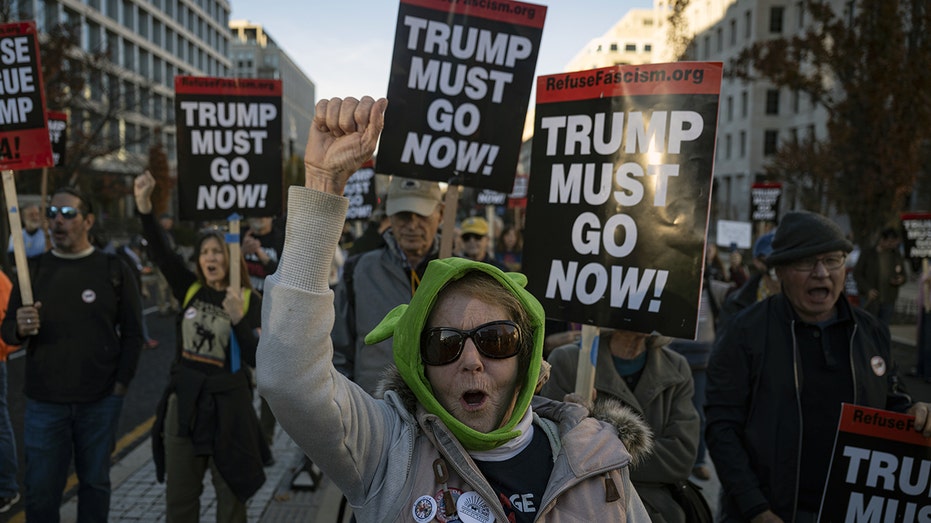
Emotion is not incidental to politics; it shapes how citizens engage with democratic processes, perceive legitimacy, and choose leaders. The record-high anger among Democrats — coupled with dismal trust levels, especially in the single digits reported—signals a crisis of confidence that could fuel intensified political activism but also alienation and democratic cynicism. Meanwhile, rising Republican contentment reflects the impact of political successes, specifically relating to Donald Trump's political resurgence, suggesting a consolidation of partisan identity intertwined with government approval.
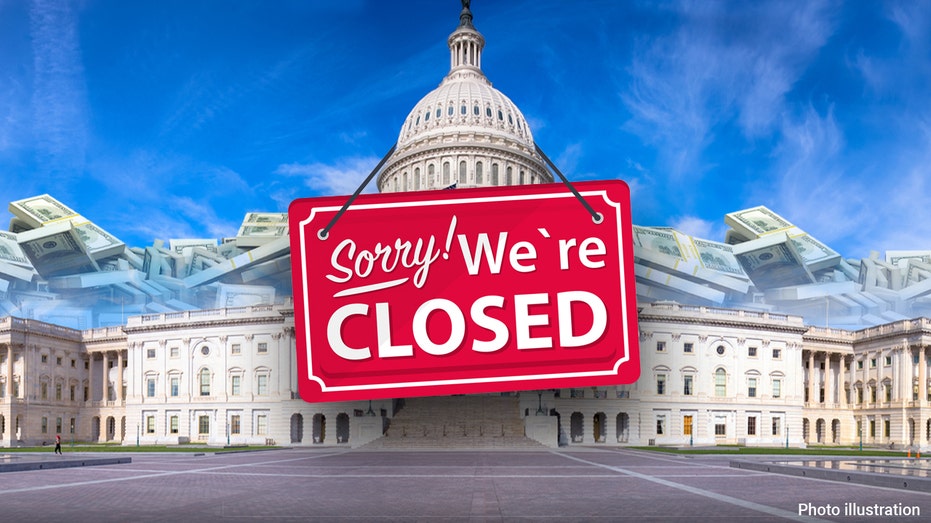
This emotional polarization complicates governance. A deeply divided public, aligned less by shared goals and more by reactive emotions, constrains policy compromise. Anger can mobilize grassroots energy but also risks pushing demands toward more extreme positions. Contentment, if concentrated in one group, may breed complacency or embolden majority factions to govern assertively, risking backlash. The resulting feedback loop threatens governance efficacy, particularly as a 43-day shutdown looms, exacerbating dissatisfaction among those already most distrustful.
Historically, such steep emotional divides have presaged major political realignments or upheavals. As Pew notes, fluctuations in trust and anger often precede shifts in voter behavior. The coming 2026 midterms will test whether this mood translates into turnout surges, candidate polarization, or potentially realignments within the major parties.
Expert Perspectives on Emerging Emotional Polarization
Dr. Lilliana Mason, political scientist at the University of Maryland, emphasizes the gravity of these findings. "The emotional divide you're seeing isn't simply political disagreement—it's an affective polarization where party identity defines not only opinions but emotional orientation toward institutions. This deep affective divide hampers bipartisan solutions and exacerbates dysfunction," she explains.
Meanwhile, veteran pollster Celinda Lake notes, "High anger among Democrats, especially when paired with such low trust, signals a demand for transformative change rather than incremental reform. But without inclusive leadership, that energy risks fracturing the coalition before it can act cohesively."
Economist Mark Blyth warns that prolonged shutdowns fueled by such polarized sentiments could deepen economic uncertainty and undermine faith in market stability, particularly if partisan impasses prevent effective budgeting and governance.
Data & Evidence: What the Numbers Tell Us
- 49% of Americans overall report feeling frustrated with the federal government, with 26% angry and only 23% content.
- Democratic anger at 44%, a 10-point increase from the Trump administration's early years.
- Only 8% of Democrats feel content, compared to 40% of Republicans.
- Trust in the federal government is at one of its lowest points in nearly 70 years, with only 20% saying they trust government to do the right thing most of the time or always.
These data points underscore a polarized nation deeply skeptical of its institutions, with emotions fueling increasingly divergent narratives about government legitimacy.
Looking Ahead: What to Watch for Next
The 2026 midterms emerge as a critical inflection point. Will heightened Democratic anger translate into energized voter turnout and demands for sweeping reforms? Alternatively, could frustration tip into apathy or exacerbate factionalism within the party?
For Republicans, sustaining the current contentment amid Trump's influence may hinge on delivering governance successes beyond symbolic victories. Failure to govern effectively through ongoing crises like shutdowns may erode this fragile contentment.
Beyond electoral implications, the trajectory of public trust and emotional attitudes will shape social cohesion and democratic resilience. Policymakers and civic leaders must grapple with addressing the underlying causes of this emotional polarization—ranging from economic insecurity to media fragmentation and identity politics—to rebuild a functioning political consensus.
The Bottom Line
The Pew poll reveals a nation emotionally divided not just over policies but over the very legitimacy and performance of its federal government. The unprecedented anger among Democrats contrasts with rising Republican contentment, marking a new chapter in America's political polarization. With trust near historic lows and a government shutdown occurring, these emotional currents threaten to deepen democratic dysfunction unless mitigated by deliberate, inclusive leadership and renewed efforts to restore institutional faith.
Topics
Editor's Comments
This survey captures a critical juncture where emotional attitudes toward government have bifurcated to unprecedented levels along party lines. It's not just about policy disagreements anymore; it’s about fundamentally different feelings toward the same institutions—which can harden partisan identities and complicate governance. What is particularly striking is how these emotional currents set the stage for the 2026 midterms, potentially reshaping political coalitions and voter behavior. Yet, this anger and contentment also highlight divergent experiences of government legitimacy and efficacy, reminding us that bridging these divides will require more than policy tweaks—it will require rebuilding trust and addressing underlying socioeconomic insecurities and media-driven polarization.
Like this article? Share it with your friends!
If you find this article interesting, feel free to share it with your friends!
Thank you for your support! Sharing is the greatest encouragement for us.