Why Tennessee’s GOP Win Sparked Cheers on Both Sides: A Deep Analysis of the 7th District Special Election

Sarah Johnson
December 4, 2025
Brief
Analysis of Tennessee's 7th Congressional District special election reveals why GOP and Democrats both claimed victory, highlighting shifting Southern political dynamics and strategic messaging.
Why Both Parties Celebrated a GOP Win in Tennessee’s 7th: A Deep Dive Into Political Messaging and Electoral Shifts
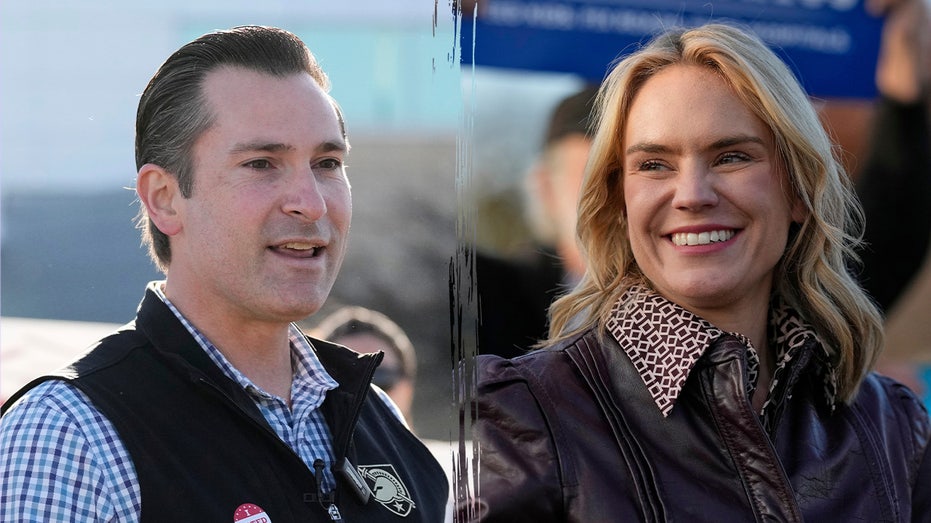
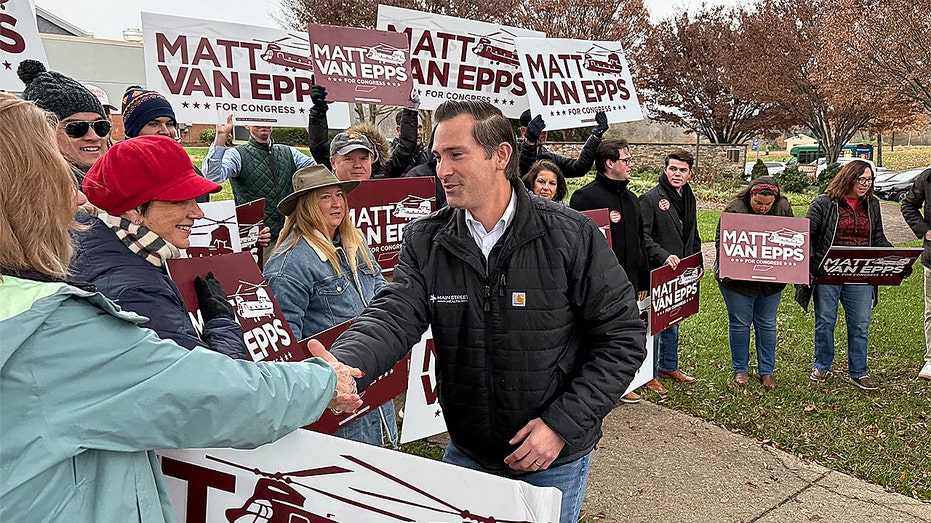
The December 2025 special election in Tennessee’s 7th Congressional District offers a revealing snapshot of current American political dynamics. Republican Matt Van Epps’ approximately nine-point victory over Democrat Aftyn Behn triggered cheers from both parties—a phenomenon that at first appears contradictory. Yet this dual celebration illuminates evolving strategic narratives, local and national party strategies, and undercurrents shaping the 2026 midterm landscape.
The Bigger Picture: Historical Context and Political Landscape
Tennessee’s 7th district, long held by Republicans, represents a deeply red electorate. In prior elections, GOP candidates comfortably won by margins exceeding 20 points—reflecting entrenched conservative leanings bolstered by former Congressman Mark Green's tenure. The district’s support for Donald Trump in the 2024 presidential race, with a 22-point margin, further confirmed its solid Republican identity.
The 2025 special election was triggered by Green’s resignation, raising stakes for both parties. Democrats targeted this race as a barometer for Southern electoral shifts and the influence of progressive activism, while Republicans saw it as essential to maintaining their Congressional foothold.
Underlying Causes and Motivations Behind the Dual Reactions
From the GOP perspective, Van Epps’ victory was framed as a repudiation of what conservatives label "far-left radical policies." His campaign attacked Behn’s background as a radical activist—particularly her calls to "dissolve" Nashville’s police department and her defense of 2020 Black Lives Matter protests—painting her as out of touch with the district’s values.
This messaging resonated with conservative voters wary of progressive “transformative justice” initiatives, law enforcement de-funding debates, and cultural critiques such as Behn’s negative remarks about Nashville’s own identity. Republican leaders, including former President Trump, heralded the win as validation of their policy approach and political messaging, even celebrating the ability to overcome Democratic spending efforts described as "millions of dollars of dark money wasted." The victory was positioned as a crucial bulwark against socialism and radical left influences.
On the other side, Democrats celebrated narrowing the GOP’s expected margin from 20+ points to 9 points; in other words, they viewed the results as evidence of a continuing shift toward a more competitive South. Despite losing, Behn was credited with running a "well-run" and "amazing" campaign that energized progressive voters and offered hope to the national party seeking momentum after a series of midterm losses. Prominent progressive strategists underscored the campaign as a model for shifting political dynamics in traditionally conservative districts bolstered by demographic changes, urbanizing influences, and rising younger voter engagement.
What This Really Means: Beyond the Headlines
The apparent contradiction of mutual celebration underscores how both parties interpret local results through distinct strategic lenses.
- For Republicans: The message is that even in an era of heightened polarization, their base will reject candidates perceived as too radical, validating the emphasis on "common sense conservatism" and the enduring "Trump effect." The GOP takeaway is bolstering a hard-line conservative platform for 2026 with confidence in holding key seats.
- For Democrats: The narrower margin in a historically deep red district offers tangible signs that their progressive base and messaging have traction, especially where demographic shifts might nudge traditionally Republican strongholds closer to parity. Yet it simultaneously raises urgent questions about candidate vetting and the need to balance progressive ideals with broader electability.
In essence, the election serves as a microcosm of a larger strategic tension within the Democratic Party about how far left to move in districts with moderate-to-conservative electorates and the broader struggle to make inroads in the South.
Expert Perspectives
Political analyst Dr. Elaine Kamarck, a veteran observer of Southern politics, notes, "This election underscores the complexity of the Southern electorate, where cultural conservatism often trumps partisan loyalty. Democrats' gains, while modest, reflect changing urban-suburban demographics but also highlight the risks of nominating candidates whose views diverge sharply from local sentiment."
Meanwhile, GOP strategist Mark McConnell highlights the importance of messaging: "Van Epps’ campaign succeeded by portraying Behn as emblematic of extreme policies that alienate moderate voters. This sort of triangulation will be pivotal in maintaining Republican losses amid demographic challenges."
Data & Evidence: Trends and Patterns
The shift from a 20+ point margin in 2024 to a 9-point margin in 2025 is quantitatively significant. Statistical data shows that suburban and urban districts in the South have been trending more competitive, influenced by factors like youth voter mobilization, racial diversity, education levels, and economic changes. This pattern aligns with a broader national trend: Democratic increases in voter participation in purple districts juxtaposed with the GOP’s deepening appeal in rural and exurban areas.
However, campaign finance reports indicate that despite heavy Democratic spending, outreach may have been hampered by candidate controversies and misalignments with the district's core values, reflecting the limits of money in overcoming ideological disconnects.
Looking Ahead: Implications for Midterms and Beyond
The Tennessee 7th special election acts as a bellwether for 2026 House races, especially in battleground and traditionally red districts. For Republicans, the victory reinforces a strategic focus on consolidating their base and amplifying messages that label progressive Democrats as too extreme. For Democrats, it suggests the need to recalibrate strategies—selecting candidates who can embody progressive energy while appealing to conservative-leaning electorates.
Close observation should be paid to how national Democrats balance progressive activism with pragmatic moderate appeals, and whether Republicans can sustain enthusiasm around Trump-style populism amid shifting demographics.
The Bottom Line
This special election illuminated the complex interplay of local culture, national partisan narratives, candidate profiles, and evolving voter dynamics. Both parties gleaned takeaways that fit their strategic needs: Republicans claiming validation of hard-right conservatism, Democrats seeing signs of a gradual but meaningful shift in Southern political landscapes. As the 2026 midterms approach, this contest epitomizes the high stakes and nuanced battles ahead—where victory may hinge as much on candidate selection and cultural resonance as on party platforms and spending.
Topics
Editor's Comments
This special election is fascinating because it exposes a rare moment where both parties claim momentum from the same set of results—highlighting the fractured, tribal nature of contemporary U.S. politics. What’s striking is how local cultural issues and candidate profiles can decisively shape outcomes, sometimes more than broader ideological frameworks. The GOP’s emphasis on law-and-order and anti-socialism plays well in conservative districts, yet the Democrats’ narrowing gap signals that demographic and ideological shifts are underway. The real question going forward is whether Democrats can find viable candidates who resonate culturally and politically in such areas, or if they risk alienating swing voters with candidates seen as too extreme. Meanwhile, Republicans will need to balance maintaining Trump-aligned populism without alienating moderates uncomfortable with some of the past few years' turbulence. This election thus serves as a microcosm of competing visions for the nation’s political future.
Like this article? Share it with your friends!
If you find this article interesting, feel free to share it with your friends!
Thank you for your support! Sharing is the greatest encouragement for us.