Narrow GOP Victory in Tennessee Special Election Signals Shifting Voter Landscape Ahead of 2026 Midterms

Sarah Johnson
December 3, 2025
Brief
Analysis of the Tennessee 7th District special election reveals emerging shifts in voter attitudes and party strategies as Republicans narrowly defend a historically secure seat amid rising economic concerns.
Opening Analysis
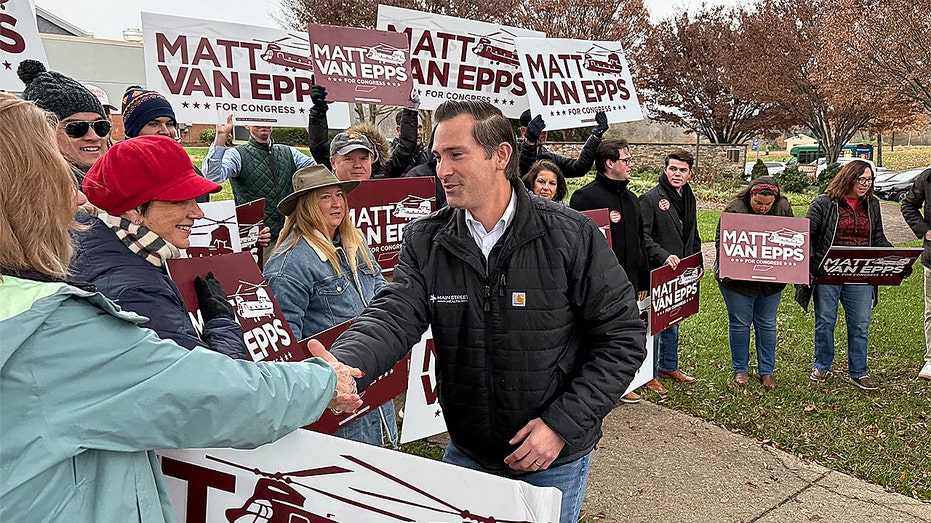
The recent special election in Tennessee's 7th Congressional District stands as a microcosm of the broader national political struggle that will define the 2026 midterms. While Republicans successfully defended this reliably red seat with Trump-backed candidate Matt Van Epps, the surprisingly strong performance by Democrat Aftyn Behn signals potential shifts in voter attitudes that mainstream narratives are overlooking. This race not only tested party resilience in a historically conservative district but also highlighted emerging fault lines around affordability, identity politics, and intra-party mobilization strategies.
The Bigger Picture
The Tennessee 7th District, encompassing parts of Nashville and spanning a long stretch from Kentucky to Alabama, is emblematic of many rural-urban mixed districts across the country—deeply conservative overall, but with pockets of progressive-leaning urban centers. Historically, it has been a Republican stronghold, as evidenced by Donald Trump’s 22-point victory there in the 2024 presidential race and former Rep. Mark Green’s dominant 20+ point margins in previous elections.
Special elections often expose voter volatility due to lower turnout and heightened mobilization from both parties. The GOP’s razor-thin majority in the House elevated importance of this race, turning it into a national litmus test for the momentum of the two parties heading into the midterms. This race's outcome reflects not just local political dynamics but also national forces reshaping American politics, including growing urban-rural divides and economic anxieties.
What This Really Means
Republicans' Win, by 9 points—substantially narrower than previous margins—hints at a potentially eroding GOP advantage even in safe districts. The Biden administration's policies around inflation and healthcare have been frequent Republican targets, yet Democrats’ emphasis on affordability clearly resonated with a meaningful segment of voters, particularly younger and suburban ones.
Aftyn Behn’s campaign focused on two highly potent issues: healthcare and the rising cost of living. These concerns transcend traditional party lines and point to a political environment where economic insecurity is driving voters to seek solutions beyond standard partisan rhetoric. Her positive messaging about progressive ideas in a conservative district suggests momentum building for a more diverse ideological representation in traditionally one-party-dominant areas.
Trump’s direct involvement, via endorsements, rallies, and strategic campaigning, underscores his continued influence over GOP operations. Van Epps’s victory speech—pledging allegiance to Trump’s movement—signals that the party's 2026 strategy may double down on Trumpism even in districts where it risks alienating moderate voters. However, it remains to be seen whether this approach will sustain GOP stability as demographics and voter priorities evolve.
Conversely, Democratic leaders framing Behn’s performance as “historic overperformance” indicate the party’s growing confidence to contest districts once deemed unwinnable. This optimism, emphasized by experts and party figures alike, may embolden the Democrats' long-term strategy of investing deeply in suburban and rural outreach, especially targeting young families and working-class voters grappling with economic pressures.
Expert Perspectives
- Dr. Lillian Chen, Political Scientist at Vanderbilt University: "Tennessee’s 7th District is a classic case where demographic shifts and localized economic concerns are gradually reshaping political allegiances. The GOP’s hold is strong, but not unassailable, particularly if Democrats can articulate clear, practical solutions to cost-of-living issues that resonate with traditional conservative voters."
- James Carrell, Former Republican Strategist: "Van Epps’ win shows the power of Trump-aligned candidates in solid red areas, but the diminished margin also warns Republicans not to take these districts for granted. Mobilization will be key, especially in areas with low turnout among Trump backers. The party needs to balance loyalty to Trump while appealing to a broader base."
- Dr. Alicia Freeman, Expert in Voter Behavior: "Behn’s progressive label – ‘the AOC of Tennessee’ – is a double-edged sword. It energizes the left and young voters, but risks alienating moderates. That she closed the gap so much reveals a latent appetite for change in parts of the district historically seen as conservative strongholds."
Data & Evidence
- Trump’s 2024 margin in the district: +22 points
- Previous incumbent Mark Green’s 2022 and 2024 wins: 20+ point margins
- Van Epps’ special election victory margin: 9 points
- Nationally, special election turnout typically 10-30% lower than general elections, emphasizing the importance of mobilization
- Inflation rates and cost of living increases in Tennessee over past two years: Consumer Price Index rose approximately 5.5%, straining household budgets
Looking Ahead
The 7th District special election foreshadows a potentially more competitive midterm in 2026 than traditional partisan maps suggest. Republicans must reckon with the challenge of maintaining enthusiasm among base voters without pushing moderates away, while Democrats have tangible evidence that well-organized progressive candidates addressing economic issues can chip away at GOP dominance even in reddest districts.
Monitoring whether this narrower victory margin is an anomaly or the start of a trend will be critical. Key indicators to watch include voter turnout rates, shifts in suburban voter sentiment, ongoing economic trends, and the national parties’ strategic focus and resource allocation.
The GOP’s alignment with Trump remains a powerful but polarizing force, and Democrats’ success may hinge on replicating localized grassroots engagement like Behn’s model, blending progressive policies with pragmatic economic appeals.
The Bottom Line
The Republican retention of Tennessee’s 7th Congressional District via Matt Van Epps’ victory was a win but hardly a comfortable one. The race revealed an evolving political landscape where economic anxieties and demographic changes are gradually reshaping voter behavior. While GOP’s Trump-aligned campaign machinery remains effective, Democrats’ energized message on affordability and healthcare is resonating more broadly than expected. Both parties will channel lessons from this contest into their midterm strategies, positioning the 7th District as a bellwether for electoral dynamics in battleground suburban and rural districts nationwide.
Topics
Editor's Comments
This special election highlights a paradox for the Republican Party: while its current stronghold districts remain under control, their slimmer margins illuminate vulnerabilities driven largely by changing demographics and economic priorities among voters. What is particularly fascinating is the degree to which candidates' local messaging—like Behn’s focus on affordability—can chip away at long-established partisan divides. The GOP’s reliance on Trump’s energetic backing is currently a pillar of success, yet it raises questions about long-term sustainability as moderate voters may grow uneasy with increasingly polarized rhetoric. This election should push both parties to rethink how they address suburban and exurban communities, where economic anxiety and cultural identity increasingly intersect. Watching how these dynamics play out in 2026 will be essential to understanding America's evolving political terrain.
Like this article? Share it with your friends!
If you find this article interesting, feel free to share it with your friends!
Thank you for your support! Sharing is the greatest encouragement for us.