Decoding Tennessee’s 7th District Special Election: Why Van Epps’ Win Matters Beyond the Vote

Sarah Johnson
December 3, 2025
Brief
An in-depth analysis of Tennessee's 7th Congressional District special election reveals how gerrymandering, candidate ideology, and strategic party decisions shape electoral outcomes and the future political landscape.
Opening Analysis
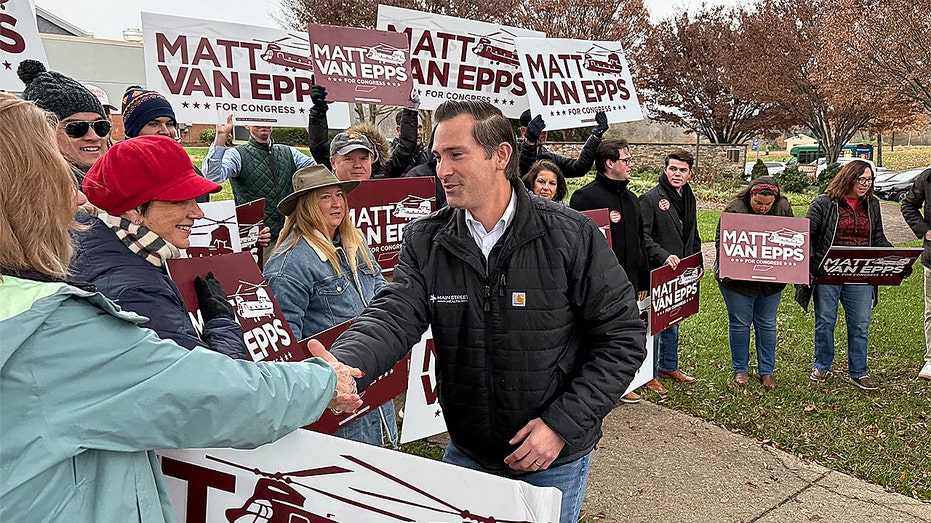
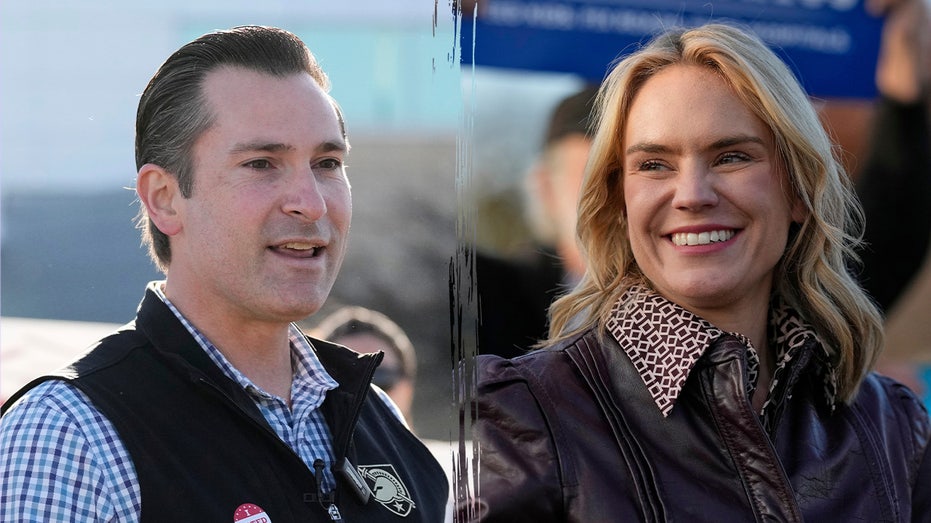
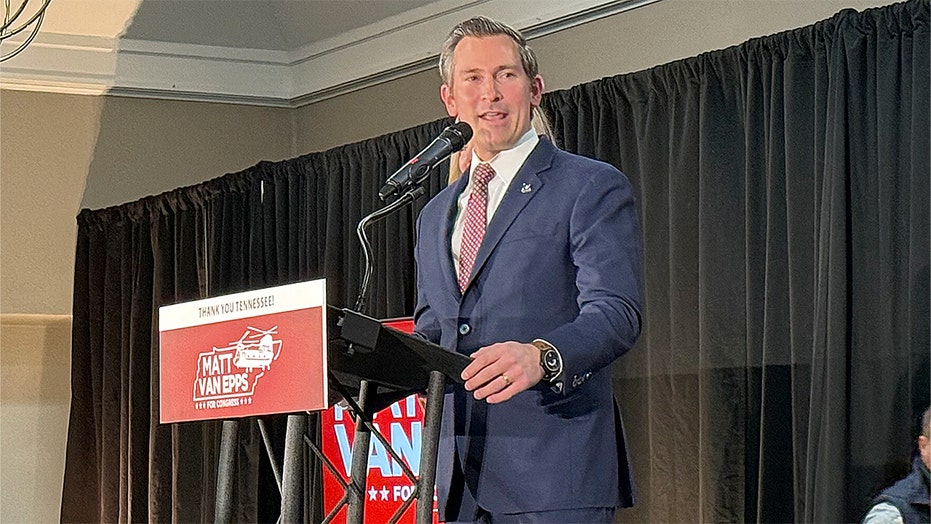
The recent special election in Tennessee's 7th Congressional District, where Republican Matt Van Epps defeated Democrat Aftyn Behn, offers more than just a routine partisan outcome. This race provides a compelling lens into the enduring power of gerrymandering, the complexities specialists face in flipping entrenched seats, and the ideological fault lines within both major parties as they calibrate strategies ahead of 2026. While Van Epps’ victory preserves a narrow Republican House majority, it simultaneously raises critical questions about candidate positioning, demographic shifts, and the resilience of redistricting tactics that continue to shape American electoral politics.
The Bigger Picture
Special elections historically serve as vital indicators of broader political trends, but flipping a congressional seat through these off-cycle contests remains a rare feat. Over the past two decades, there have only been four significant House seat flips in special elections, underscoring their difficulty and the heightened incumbent advantage. Tennessee’s 7th District exemplifies how strategic redistricting—especially the GOP’s practice of dividing urban centers like Nashville into multiple districts—has diluted traditionally Democratic votes, effectively transforming competitive districts into safer Republican enclaves.
The GOP’s redrawing of Tennessee’s congressional map follows a nationwide trend post-2010 census, where controlling state legislatures enabled aggressive gerrymanders that redefined electoral battlegrounds. This has curtailed Democratic prospects in many southern and suburban districts despite demographic changes that, on paper, might favor more competitive races. Additionally, the historical balance of power in the House—even before the 2022 midterms and Joe Biden’s presidency—has been closely tied to these map alterations which have entrenched partisan advantages far beyond voter preference alone.
What This Really Means
Van Epps' win, while expected in a district with a GOP advantage upwards of 20 points, carries significant implications for party strategy and ideological positioning across the political spectrum. On one hand, the victory underscores the efficacy of gerrymandering as a tool to secure seats, suggesting structural barriers to flipping the House remain formidable. Candidates like Aftyn Behn, who ran on a progressive platform in a traditionally conservative district, face a structural uphill battle that goes beyond campaign messaging.
On the other hand, this result is a cautionary tale for Democrats weighing candidate selection. The question arises whether moderates with centrist platforms—echoed in successes like Abigail Spanberger in Virginia—would fare better in such districts. The progressive tilt of Behn's campaign, while energizing a specific base, may have alienated swing voters crucial for competitive performance.
Within the GOP, Van Epps’ win might paradoxically embolden some Republicans contemplating resignation, under the impression that the Republican House majority has enough cushion even as controversial figures like Marjorie Taylor Greene exit. Yet, moderate Republicans watching this race may push for the party to adopt more substantive healthcare reforms to shore up vulnerable suburban constituencies. Indeed, the fragility of a 220-214 majority means even small shifts could dramatically impact control.
Expert Perspectives
Dr. Lisa Handley, a political science professor specializing in electoral geography, notes, "This election is a textbook example of how strategic redistricting effectively immunizes incumbents and their parties against demographic trends that might otherwise threaten their seats."
Meanwhile, former House Minority Whip Jim Clyburn has commented on candidate strategy: "Running progressive candidates in districts engineered for conservatives is often a symbolic gesture rather than a path to victory. Tailoring messaging and policy platforms to the electorate's median preferences is key for Democrats to regain ground."
Jonathan Golob, an expert on congressional campaigns, adds, "While special elections offer rare glimpses into voter sentiment, their low-turnout nature and unique circumstances limit their predictive power for general elections. Nevertheless, they highlight important strategic decisions parties must confront about candidate selection and resource allocation."
Data & Evidence
- Only four House special election flips have occurred in the past 18 years nationwide, highlighting the difficulty of these contests.
- The 7th District has a Cook Partisan Voting Index (PVI) of approximately +20 Republican, indicating a strong GOP lean.
- Statistical analysis shows that gerrymandered districts have been associated with a 6-12 point artificial boost for the controlling party, severely limiting competitive races.
- Turnout in special elections is typically 30-50% lower than in general elections, disproportionately favoring motivated partisan bases over swing voters.
- Comparing candidate ideology and district leanings across seats like Virginia’s 7th shows moderates outperforming progressives in conservative-leaning suburban areas.
Looking Ahead
As the 2026 midterm elections approach, parties will scrutinize outcomes like the Tennessee 7th to refine their strategies. Democrats may prioritize recruiting moderate candidates in districts with GOP advantages, while continuing base mobilization efforts elsewhere. For Republicans, maintaining narrow House control will require not only relying on redistricting advantages but also addressing internal ideological divisions and policy issues like healthcare that could sway suburban voters.
Moreover, growing public awareness and legal challenges to partisan gerrymandering might alter district maps in the future, introducing new uncertainties. Advocates for electoral reform argue that independent commissions could restore competitiveness and voter confidence, which would shift dynamics significantly beyond what campaign rhetoric alone can achieve.
Finally, special elections will remain important but nuanced indicators, demanding careful interpretation in light of turnout, candidate quality, and district design rather than simplistic partisan narratives.
The Bottom Line
The Tennessee 7th special election serves as a case study in the complex interplay of candidate ideology, district engineering, and voter behavior that shapes American politics today. While Van Epps’ victory maintains GOP control, it also spotlights the persistent structural hurdles Democrats face. This race underscores the need for both parties to adapt strategically in candidate selection and policy positioning as demographic and political landscapes evolve. At the same time, it highlights how entrenched institutional mechanisms like gerrymandering continue to mold electoral outcomes in ways that can obscure genuine voter preferences and democratic responsiveness.
Topics
Editor's Comments
This special election underscores a paradox at the heart of American electoral politics: structural engineering can insulate parties from shifting voter preferences, but it also risks breeding complacency and disconnect from constituents’ evolving needs. The GOP’s strategic redistricting in Tennessee has bought short-term security but raises long-term questions about democratic responsiveness. Furthermore, Democrats face the challenge of balancing progressivism with pragmatism—finding candidates who both inspire and realistically win in competitive environments. Watching how these forces play out in 2026 could define the future balance of power in Washington more than any individual race.
Like this article? Share it with your friends!
If you find this article interesting, feel free to share it with your friends!
Thank you for your support! Sharing is the greatest encouragement for us.