Why Zohran Mamdani’s Promise to End Homeless Encampment Sweeps Represents a Fundamental Shift in NYC’s Homeless Policy

Sarah Johnson
December 5, 2025
Brief
Zohran Mamdani’s pledge to end homeless encampment sweeps in NYC signals a paradigm shift towards housing-first policies, challenging decades of enforcement-based approaches and highlighting systemic political failures behind homelessness.
Why Zohran Mamdani’s Pledge to End Homeless Encampment Sweeps Marks a Turning Point for NYC’s Homeless Crisis
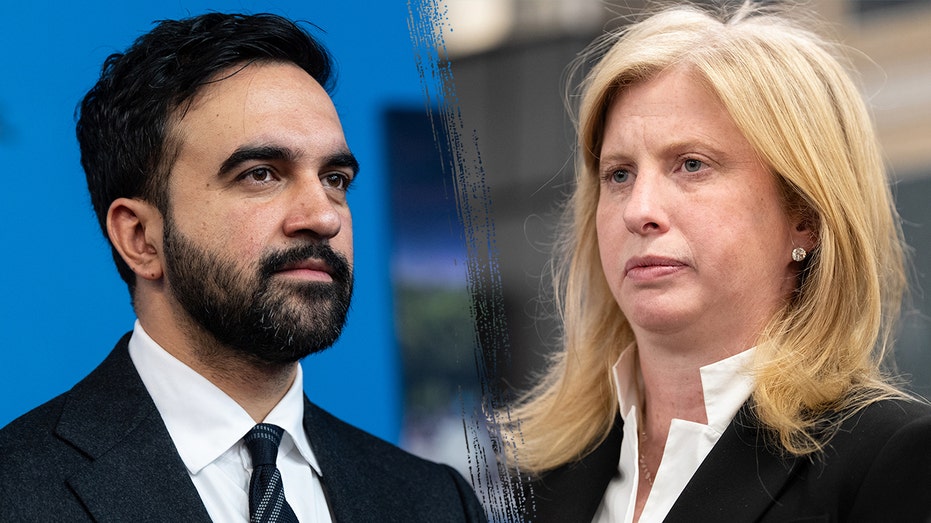
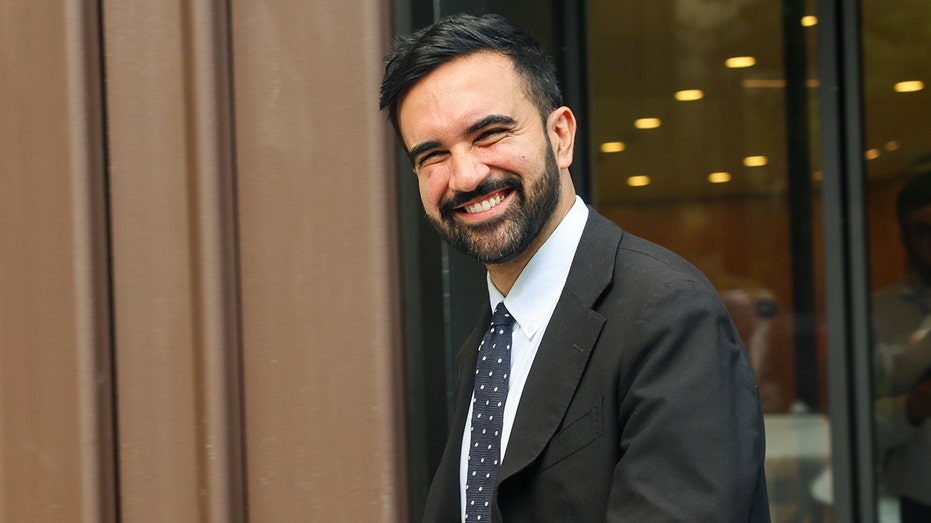
New York City’s incoming mayor Zohran Mamdani has promised a decisive policy reversal by ending the long-standing practice of clearing homeless encampments. This shift represents not just a change in tactics but a fundamental rethinking of how the city approaches homelessness — recognizing it as a systemic failure rooted in political choices, not an inevitable urban condition.
The Bigger Picture: Historical Context of NYC’s Homeless Policies
New York’s contentious history with homeless encampment sweeps dates back decades, with successive administrations frequently opting for short-term removal over substantive housing solutions. Under Mayor Eric Adams, who launched a high-profile crackdown in 2022, the city intensified its efforts to clear encampments citing public health and safety concerns. However, these efforts drew fierce criticism from advocates who argued that sweeps displaced vulnerable populations without addressing root causes.
An audit by City Comptroller Brad Lander in 2023 sharply criticized the Adams administration’s sweeping initiative, finding it “completely failed” to transition people into stable housing. Out of over 2,300 individuals encountered during cleanups, only 119 accepted temporary shelter, and many campsites were reoccupied within weeks — highlighting the futility of punitive clearance without adequate shelter or affordable housing options.
What This Really Means: A Paradigm Shift Toward Housing-First Policy
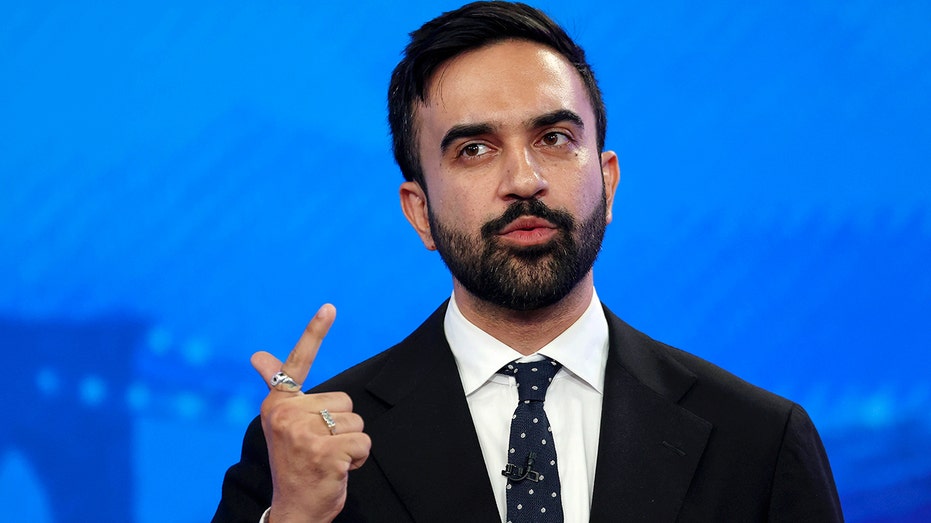
Mamdani’s vow to halt encampment clearances signals an embrace of the “housing first” philosophy, which prioritizes securing long-term housing over temporary fixes. His emphasis on connecting homeless New Yorkers directly with permanent supportive and rental housing underscores an understanding that homelessness cannot be managed through displacement alone — it requires systemic investment in affordable housing infrastructure.
This approach challenges a decades-old narrative in NYC politics that frames homelessness primarily as a public nuisance to be managed through enforcement. By describing homelessness as a “political choice,” Mamdani calls out the structural failures in housing policy, income inequality, and social services that have made homelessness deeply entrenched in urban life.
Expert Perspectives: Insights from Policy Analysts and Advocates
Dr. Emily Rosenberg, a leading urban policy analyst at the Center for Housing Solutions, notes, "Mamdani’s announced shift away from encampment sweeps reflects an overdue acknowledgment that punitive tactics have consistently failed. Permanent housing is the only sustainable solution—this signals a critical realignment of city priorities.”
Jonathan Meyers, director of the Homeless Advocacy Network, adds, "The data from the Comptroller’s audit clearly shows that sweeps displace but don’t rehabilitate. The return of encampments after clearance highlights the absence of real housing options. Stopping the sweeps is just the start; investing in comprehensive affordable housing and supportive services is essential.”
Data & Evidence: Understanding the Scale and Impact
- From March to November 2022, over 2,300 individuals were displaced in cleanup operations, yet only 119 accepted temporary shelter.
- One-third of cleared encampments saw homeless return within weeks, indicating that clearance policies offered no lasting solution.
- The Adams administration claimed placing 3,500 formerly unsheltered people into permanent housing by August, but the persistence of encampments and over 45,000 citizen complaints about homelessness in 2025 indicates unmet demand.
The contrast between these statistics and lived realities underscore the mismatch between enforcement-driven policy and the needs of NYC’s homeless.
Looking Ahead: Potential Implications and Challenges
Mamdani’s policy represents a bold pivot, but its success hinges on scaling affordable and supportive housing – a near Herculean task given NYC’s soaring rents, zoning restrictions, and limited federal funding. He must navigate entrenched political opposition from stakeholders favoring law-and-order approaches. Additionally, there are pragmatic concerns about managing public health, sanitation, and safety in encampment areas without sweeps.
Moreover, the break with outgoing Mayor Adams extends beyond homelessness — suggesting a broader ideological shift, as seen in their opposing stances on issues like city funding for anti-Israel BDS movement campaigns. This hints at a more progressive governance style from Mamdani, committed to social justice reforms that may face stiff pushback from established interests.
The Bottom Line
Zohran Mamdani’s commitment to ending homeless encampment sweeps in NYC is a landmark policy overhaul grounded in a housing-first philosophy. It recognizes homelessness as a systemic, politically shaped issue rather than a transient urban problem. While promising, delivering on this pledge will require unprecedented investment in affordable housing, innovative social services, and deft political coalition-building. Until then, New York stands at a critical crossroads — between outdated punitive measures and a transformative vision for its most vulnerable residents.
Topics
Editor's Comments
This policy shift by Mayor-elect Mamdani highlights an increasingly vocal debate about how major cities address homelessness in the 21st century. While enforcement-based strategies have dominated for decades, their failure is now widely documented — yet transitioning to a housing-first model entails political risk and logistical complexity. Mamdani’s framing of homelessness as a political choice challenges policymakers to confront uncomfortable truths about systemic inequality and urban neglect. Whether his administration can translate rhetoric into tangible reforms will be a key test not only for NYC but for cities nationally grappling with similar crises. The stakes are profound: real change demands substantial resources, bipartisan cooperation, and a willingness to rethink entrenched assumptions about homelessness as merely a symptom of individual failure.
Like this article? Share it with your friends!
If you find this article interesting, feel free to share it with your friends!
Thank you for your support! Sharing is the greatest encouragement for us.