After Maduro: How Venezuela’s Criminalized State Could Survive the Dictator

Sarah Johnson
December 16, 2025
Brief
Maduro’s exit alone won’t fix Venezuela. This analysis unpacks how his sanctioned inner circle and criminalized state structures could turn a post-Maduro transition into something even more dangerous.
Venezuela After Maduro: Why the Dictator’s Exit Could Unleash Something Even Worse
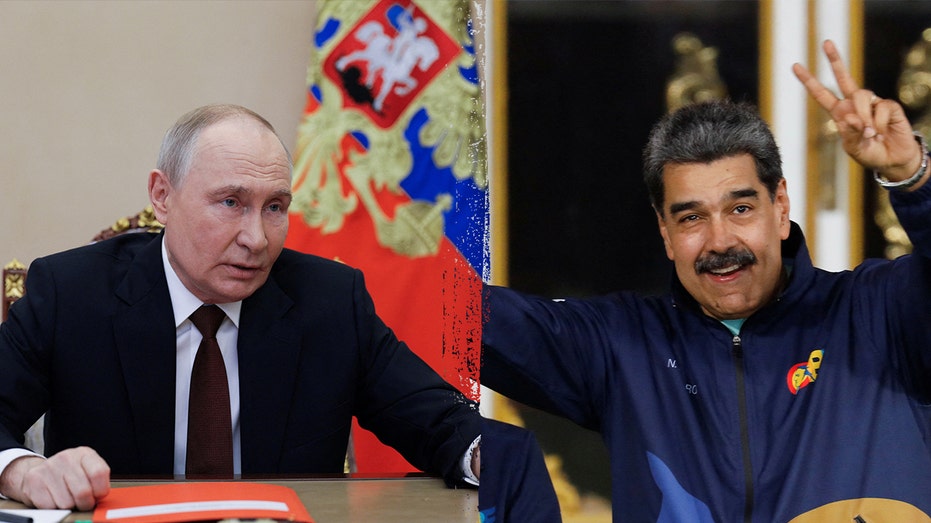
Nicolás Maduro’s downfall is often framed as the end of Venezuela’s nightmare. The overlooked reality is more unsettling: what comes after him could be less a democratic rebirth and more a transition from a single autocrat to a fragmented criminalized state dominated by his "heirs" and armed networks.
The figures around Maduro – Diosdado Cabello, Jorge and Delcy Rodríguez, Vladimir Padrino López, Cilia Flores, and Iván Hernández Dala – are not mere courtiers. They are nodes in a hybrid system where the state, security forces, and organized crime have fused. Any analysis that treats Maduro as the sole problem misses how deeply this network has penetrated Venezuela’s institutions, economy, and territory.
A State That Became a Criminal Ecosystem
To grasp why a post-Maduro Venezuela could prove even more volatile, it helps to look beyond the presidential palace and toward the map.
Over the past two decades, Venezuela has drifted from a centralized petro-state into a patchwork of overlapping power centers:
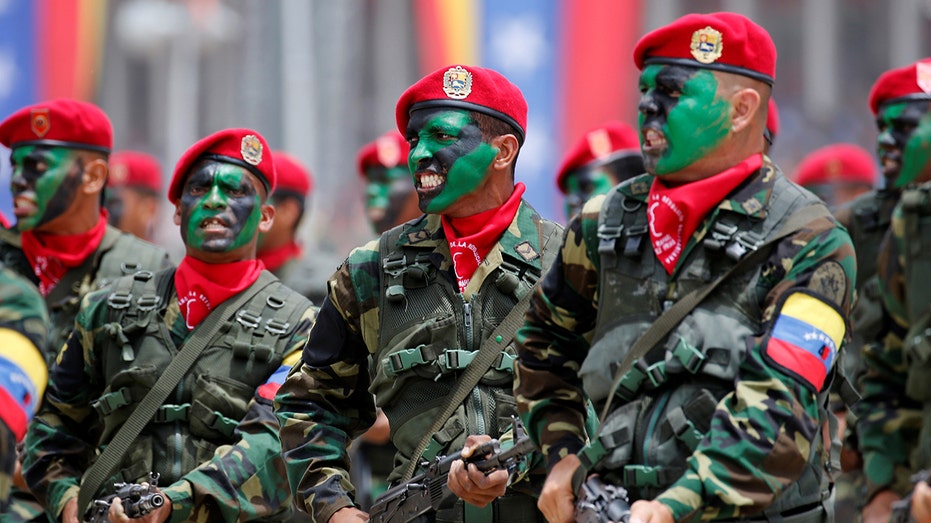
- Cartel de los Soles – an alleged drug-trafficking network involving elements of the armed forces, particularly within the National Guard and senior officers, long associated in U.S. indictments and sanctions with key regime figures.
- Colombian insurgents – factions of the ELN and dissident FARC elements operating along the border and deep inside Venezuelan territory, taxing illegal mining, smuggling, and local populations.
- Pran-led prison gangs and megabandas – from Tocorón to the Orinoco Mining Arc, criminal groups exercise state-like control over neighborhoods, prisons, and mining regions.
- Regime-aligned militias (colectivos) – armed civilian groups used to repress opposition and control urban zones, often blurring into criminal rackets.
This didn’t happen overnight. Under Hugo Chávez, the militarization of politics, politicization of the judiciary, and weakening of independent institutions created the conditions for a mafia state model: loyalty over legality, patronage over professionalism. When the oil boom masked the rot, few outsiders paid attention. Once oil prices collapsed and mismanagement cratered the economy, criminal rents – drug trafficking, gold smuggling, extortion – became the lifeblood of the system.
Maduro’s inner circle are not just loyalists; they are the managers of this criminalized order. That’s why they are so heavily sanctioned – and why their incentive is to avoid any transition that threatens impunity or access to revenue streams.
The Inner Circle: Succession as a Battle Over Criminal and Institutional Assets
The main figures identified as potential successors represent different pillars of the regime’s architecture:
- Diosdado Cabello – controls party machinery, propaganda, and has been repeatedly linked by U.S. agencies to drug-trafficking structures. A Cabello-led transition would likely harden the party–security–criminal nexus, consolidating power in a single, more openly repressive operator.
- Jorge Rodríguez – the political strategist and institutional fixer. His comparative advantage is managing negotiations, elections, and information systems. A Rodríguez-led scenario might look more technocratic and polished, but with sophisticated manipulation of electoral and institutional processes rather than any genuine liberalization.
- Vladimir Padrino López – the military spine of the regime. A transition under Padrino would formalize what already exists informally: a military–corporate regime claiming to restore order while retaining control over key economic sectors and internal security.
- Delcy Rodríguez – central to the economic and diplomatic apparatus, increasingly embedded in the opaque oil and revenue system. Her leadership would likely mean tighter state and family control over the remaining rent-generating sectors, with a cosmetic veneer of international engagement.
- Cilia Flores – the legal and party broker whose networks run through the judiciary and legislature. Her role in any succession would be about preserving legal impunity, protecting family interests, and shaping any “constitutional” pathway for regime continuity.
- Iván Hernández Dala – directs the military counterintelligence agency and presidential guard, with a documented record of brutal repression. He is less a public successor than a kingmaker whose control of coercive instruments can tip any internal power struggle.
Taken together, these figures represent a system where political loyalty is inseparable from involvement in repression and illicit economies. Replacing Maduro with any one of them doesn’t change that system; it merely rearranges who sits atop it.
Why Removing the Head May Strengthen the Hydra
External pressure – whether sanctions, indictments, or diplomatic isolation – has aimed to force Maduro to negotiate or step aside. But as Roxanna Vigil points out, the trajectory is increasingly binary: escalation can crack the center without building an alternative.
History offers a sobering set of parallels:
- Iraq (2003): The rapid removal of Saddam Hussein and de-Baathification dismantled state structures faster than new ones could be built, fueling insurgency and sectarian militias.
- Libya (2011): The fall of Gaddafi without a coherent post-conflict plan fragmented the country among militias, warlords, and external patrons, turning a personalized dictatorship into chronic instability.
- Haiti (post-2021): The assassination of Jovenel Moïse, in a context of already-weak institutions and powerful gangs, accelerated the collapse of central authority.
Venezuela risks a similar trajectory if Maduro falls without a negotiated framework that includes security guarantees, reintegration of security forces into a professional chain of command, and a phased dismantling of criminal economies.
In a worst-case scenario, the following dynamics could converge:
- Territorial fragmentation as ELN units, FARC dissidents, and megabandas carve out de facto autonomous zones.
- Rogue security units – including factions of the armed forces and intelligence services – rent themselves out to whichever political or criminal actor can pay.
- Escalating regional spillover – especially into Colombia, Brazil, and the Caribbean – through increased migration, arms flows, and cross-border criminal activity.
The paradox is stark: the more the international community raises the price of staying in power for Maduro and his circle, the more they fear the personal consequences of losing it – and the more likely they are to dig in or to manage succession in a way that preserves their core interests.
Negotiated Transition vs. Controlled Succession
Jason Marczak’s warning that a "win" is not simply Maduro’s departure but a genuine transition to democratic forces underscores a critical distinction: negotiated transition versus controlled succession.
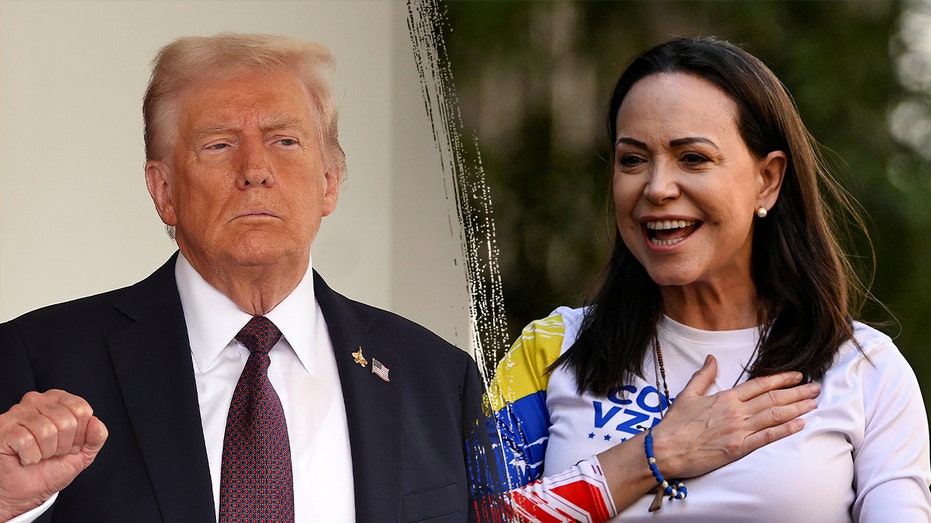
In a negotiated transition, opposition leaders like María Corina Machado or Edmundo González – or a broader coalition – would assume meaningful authority under internationally supervised guarantees. Security sector reform, transitional justice, and economic stabilization would be sequenced and supported.
In a controlled succession, one of Maduro’s heirs takes over through a managed election or internal bargain, offering limited cosmetic reforms in exchange for sanctions relief and recognition, while preserving core power and illicit revenue networks. Think of it as Cuba’s transition from Fidel to Raúl Castro: adjustments at the margins, continuity at the core.
The risk today is that the international community, eager for any short-term improvement or reduction in migration, settles for a managed succession that stabilizes the regime’s criminal architecture, rather than dismantling it.
What Mainstream Coverage Often Misses
Most daily coverage focuses on Maduro’s abuses, electoral manipulation, and the visible humanitarian catastrophe. What’s frequently underexplored are:
- The depth of criminal penetration into all branches of government and the economy, making any transition that threatens these interests inherently dangerous for those in power.
- The role of external backers – Russia, Iran, and to a lesser extent China – in providing financial, intelligence, and diplomatic lifelines, which shape internal calculations about risk and survival.
- The security dilemma for regime insiders: exit without guarantees could mean extradition, prison, or losing access to wealth; staying risks eventual implosion or assassination.
- The regional security dimension: Venezuela is no longer just a domestic crisis but a hub for illicit economies and armed networks that stretch across Latin America.
Data Points That Illuminate the Stakes
Several trends underscore why the post-Maduro scenario is so fraught:
- More than 7 million Venezuelans have fled the country in recent years, according to international agencies – one of the largest displacement crises in the world.
- Oil production, once over 3 million barrels per day, has at times fallen below one-third of that, pushing the regime to rely more heavily on gold, drug trafficking, and other illicit flows.
- Between 2014 and 2023, the U.S., EU, and other partners imposed hundreds of individual sanctions on Venezuelan officials and entities, targeting not only political repression but also narcotics, corruption, and money laundering.
- Human rights organizations have documented thousands of extrajudicial killings and systematic torture by security agencies like DGCIM and SEBIN, suggesting institutionalized, not incidental, abuse.
These numbers illustrate why the regime’s survival – in any form – is about far more than ideology. It is about preserving a complex web of rents, patronage, and protection that extends well beyond one man.
What to Watch in the Coming Phase
Several indicators will reveal whether Venezuela is heading toward democratic transition or a darker hybrid of criminal fiefdoms and regime recycling:
- Behavior of the armed forces: Do senior officers begin to distance themselves from Maduro, or do they rally around figures like Padrino López? Early cracks or purges will signal internal realignments.
- Signals from Cabello and the Rodríguez siblings: Any public divergence from Maduro, or sudden prominence, may hint at succession bargaining.
- Opposition unity and security: Increasing attacks on opposition leaders, or attempts to co-opt segments of the opposition, would suggest a regime strategy to manage succession rather than accept genuine power-sharing.
- External mediation: The nature of U.S., regional, and European engagement – whether it prioritizes quick deals or comprehensive guarantees – will shape whether insiders see transition as survivable.
The Bottom Line
Maduro’s fall, whenever and however it happens, will not automatically dismantle the system that produced him. His potential successors are deeply implicated in the same machinery of repression, corruption, and criminality. Without a negotiated, security-focused transition that addresses the incentives of these actors – including credible guarantees and a path away from illicit economies – Venezuela risks trading one strongman for a more fragmented, potentially more violent order.
For policymakers, the lesson is uncomfortable but unavoidable: focusing solely on Maduro is like treating a symptom while ignoring an advanced, metastatic disease. The real challenge is not just regime change, but systemic transformation – and that is a far longer, riskier, and more delicate project than most headlines suggest.
Topics
Editor's Comments
The central analytical mistake in much external discussion of Venezuela is treating it as a conventional authoritarian regime that can be solved by regime change. The evidence points to something more complex: a criminalized state in which political and security institutions are organized around the protection and expansion of illicit rents. That shifts the entire logic of transition. For classic dictatorships, amnesties and exile may be sufficient to induce exit. For a mafia state, regime insiders worry not only about loss of power, but also about losing protection from both domestic rivals and international law enforcement. That makes them more resistant to compromise and more willing to risk national collapse to preserve their networks. Any serious policy debate has to confront this head-on, including the uncomfortable question of whether partial impunity or structured leniency for some actors is a necessary price for preventing a far more violent and fragmented post-Maduro landscape.
Like this article? Share it with your friends!
If you find this article interesting, feel free to share it with your friends!
Thank you for your support! Sharing is the greatest encouragement for us.