Beyond Defense: Why NATO’s Consideration of a ‘More Aggressive’ Response to Russia’s Hybrid Threats Matters

Sarah Johnson
December 3, 2025
Brief
A deep dive into NATO's potential shift toward proactive measures against Russia's hybrid warfare, analyzing strategic, ethical, and geopolitical implications beyond surface-level reporting.
Opening Analysis
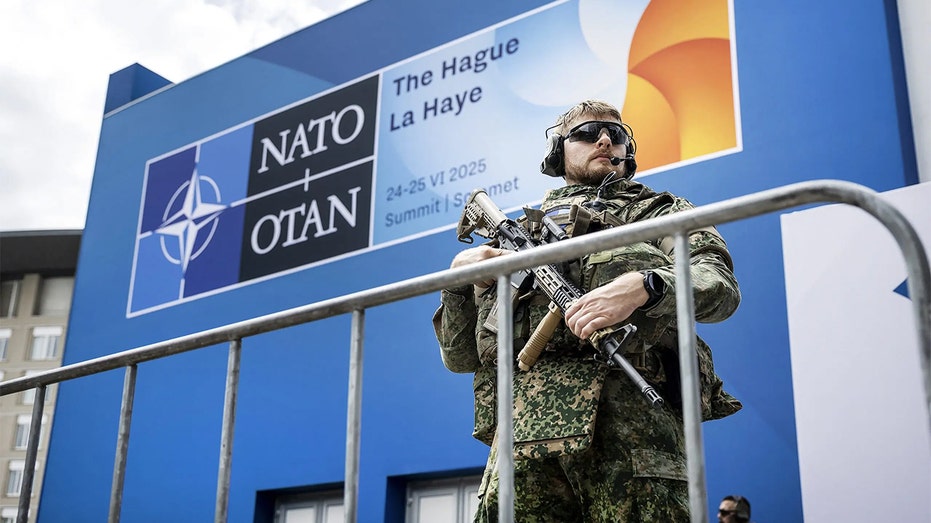
The recent remarks by NATO's top military commander about adopting a "more aggressive" stance toward Russia’s hybrid threats signal a pivotal moment in the alliance’s strategic posture. As Moscow intensifies unconventional warfare—including cyberattacks, sabotage, and disinformation—NATO confronts fundamental challenges that test its traditional defensive doctrines, ethical constraints, and legal frameworks. This shift reflects not merely a reactive posture but a potential redefinition of collective security in Europe for the coming decade.
The Bigger Picture
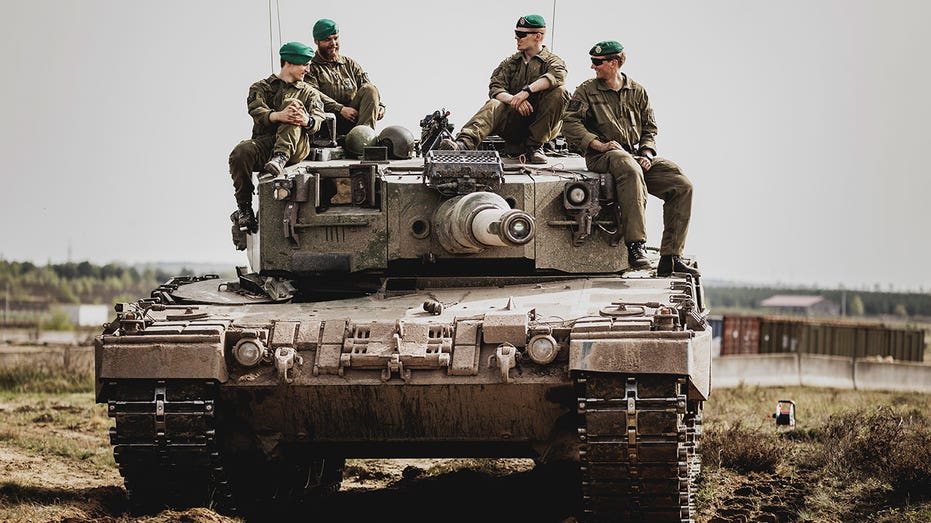
Since the end of the Cold War, NATO has largely positioned itself as a defensive alliance, focused on deterrence and collective defense against conventional military threats. However, Russia’s annexation of Crimea in 2014 and full-scale invasion of Ukraine in 2022 shattered established security assumptions, highlighting Russia’s willingness to employ hybrid warfare as a strategic tool. Hybrid threats—which blend conventional military force with cyber assaults, misinformation campaigns, energy coercion, and proxy activities—complicate traditional conflict paradigms.
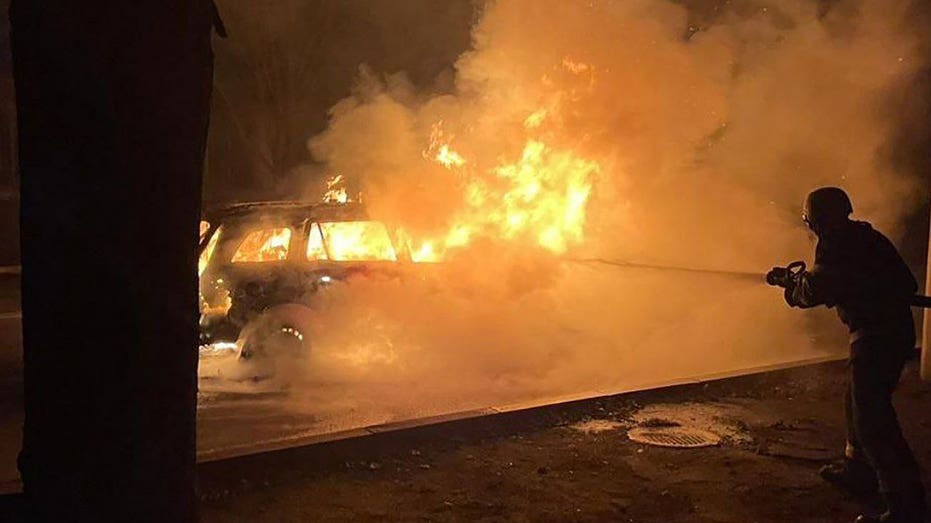
Historically, NATO has refrained from offensive or proactive measures such as preemptive cyber or sabotage actions, constrained by alliance member states’ legal, ethical, and political limits. Yet the persistent and evolving nature of Russian gray-zone tactics, including undersea cable sabotage and drone incursions into NATO territory, has exposed vulnerabilities that reactive defenses struggle to address effectively.
What This Really Means
The contemplation of a "more aggressive" NATO response signals a critical recalibration. Proactively disrupting Russian hybrid campaigns—even through clandestine cyber or sabotage operations—would mark a departure from NATO’s traditional doctrine, which prioritizes defense and restraint to avoid escalation. This raises profound questions about the boundaries of accepted military conduct, the risk of unintended escalation, and the alliance’s capacity to maintain cohesion when undertaking such operations.
Admiral Dragone’s acknowledgment of alliance limitations due to ethics and legal jurisdiction underscores a fundamental challenge: NATO must balance effective deterrence with maintaining international legitimacy. The alliance faces an adversary who operates with fewer inhibitions and exploits legal loopholes, resulting in an uneven playing field. If NATO adopts proactive measures, it must also establish clear rules of engagement and oversight mechanisms to preserve internal unity and global credibility.
Furthermore, NATO’s potential shift reflects broader trends in 21st-century conflict, where warfare increasingly blurs lines between military and civilian realms, kinetic and informational domains, and peace and war. This evolution demands innovative and flexible defense postures that move beyond Cold War paradigms.
Expert Perspectives
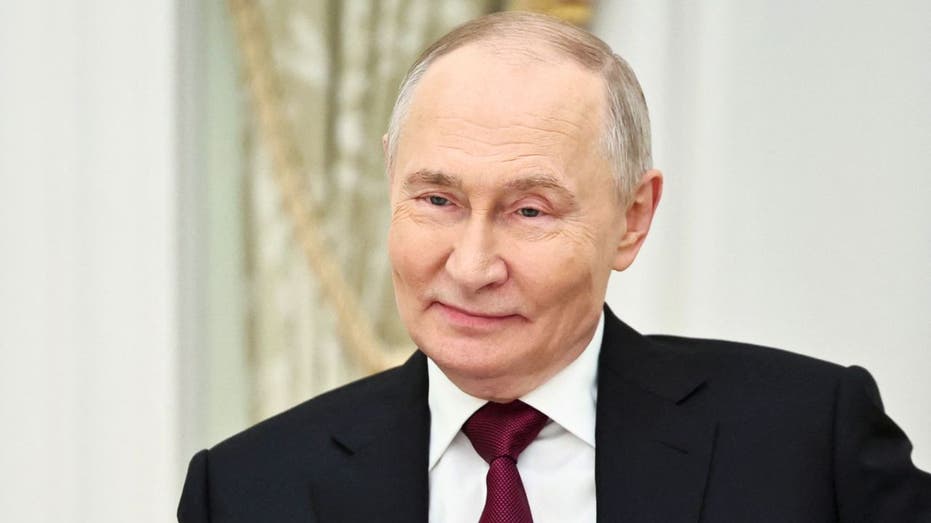
Carrie Filipetti, former senior U.S. diplomat and executive director of the Vandenberg Coalition, contextualizes NATO’s stance within Russia’s aggression: "Given Russia’s unilateral invasion of Ukraine in 2022, the idea that Russia is warning about NATO being irresponsible is laughable. Putin has been given numerous opportunities to end the war peacefully and has refused them all because of his own expansionist goals. NATO is simply reacting to his aggression."
From a military-technical viewpoint, General Bruce Carlson (USAF, ret.) highlights the necessity for strength: "Putin only understands one thing and that’s power. No one has strengthened NATO more than President Trump, and it is critical that we use every lever possible to push Russia to the negotiating table to achieve a lasting and sustainable peace deal that protects Ukraine’s sovereignty and defends U.S. national security interests."
These perspectives emphasize the complexity of balancing deterrence, diplomatic efforts, and ethical constraints—a dilemma at the heart of NATO’s evolving doctrine.
Data & Evidence
- Since 2022, NATO member states have reported a surge in cyberattacks attributed to Russian state-backed actors, resulting in disruptions to critical infrastructure such as power grids and communications networks.
- Notable sabotage events in late 2024 involved damage to undersea data cables and power links crucial for regional connectivity; such attacks pose grave risks to both civilian and military communication resilience.
- The September 2025 drone incursions into Polish airspace marked the closest NATO has come to direct confrontation with Russia since World War II, highlighting the increasing frequency and boldness of hybrid provocations.
- Public opinion polls in NATO countries show a rising majority favoring stronger collective security measures, reflecting shifting perceptions of the Russian threat.
Looking Ahead
Moving forward, NATO’s willingness to adopt proactive measures against hybrid threats will depend on several factors: the alliance’s internal consensus-building, legal clarifications regarding cyber and covert operations, and risk assessments concerning escalation. The prospect of "preemptive" actions raises the stakes in U.S.-Russia and NATO-Russia relations, potentially accelerating an arms race in cyber capabilities and special operations.
Close monitoring is required of how NATO integrates new technologies such as artificial intelligence in both defensive and offensive domains. Additionally, the alliance will increasingly need to bolster resilience in critical civilian infrastructure to reduce vulnerabilities exploited by hybrid tactics.
At the diplomatic level, NATO and member states must continue efforts to engage international partners to develop norms governing cyber conduct and hybrid warfare, seeking to establish red lines and accountability mechanisms. However, given Moscow’s demonstrated disregard for existing international laws, these efforts face an uphill battle.
The Bottom Line
NATO’s contemplation of a more aggressive approach to Russia’s hybrid threats embodies a significant strategic evolution. It reflects the expanding complexity of modern conflict, where traditional deterrence is insufficient. The challenge lies in balancing forceful, preemptive actions with alliance cohesion, ethical standards, and minimizing escalation risks. How NATO navigates this transition will shape European and global security dynamics for decades, with profound implications for the nature of war, peace, and international order.
Topics
Editor's Comments
NATO’s move toward possibly adopting proactive hybrid warfare techniques marks a profound transformation in transatlantic security doctrine. This shift underscores a growing frustration within the alliance about the asymmetric nature of hybrid threats, which traditional defense and deterrence strategies struggle to counter effectively. However, it also raises difficult questions about legality, ethics, and the potential for unintended escalation. Will NATO’s member states find consensus on these issues amid varying national perspectives and legal constraints? Moreover, could this trigger a dangerous spiral of covert engagements that blurs the line between peace and open conflict, destabilizing the fragile post-Cold War order in Europe? How NATO navigates these uncertainties will define its relevance and effectiveness in an era where security threats transcend traditional battlefields.
Like this article? Share it with your friends!
If you find this article interesting, feel free to share it with your friends!
Thank you for your support! Sharing is the greatest encouragement for us.