Beyond the Gown: What Kate Hudson’s ‘Song Sung Blue’ Premiere Reveals About Hollywood Legacy and Nostalgia

Sarah Johnson
December 16, 2025
Brief
Kate Hudson’s dazzling ‘Song Sung Blue’ premiere look is more than red-carpet glamour. This analysis unpacks Hollywood legacy, nostalgia economics, and how her family markets political disagreement as a brand asset.
Kate Hudson’s ‘Song Sung Blue’ Premiere: What a Red Carpet Moment Reveals About Fame, Family, and Cultural Nostalgia
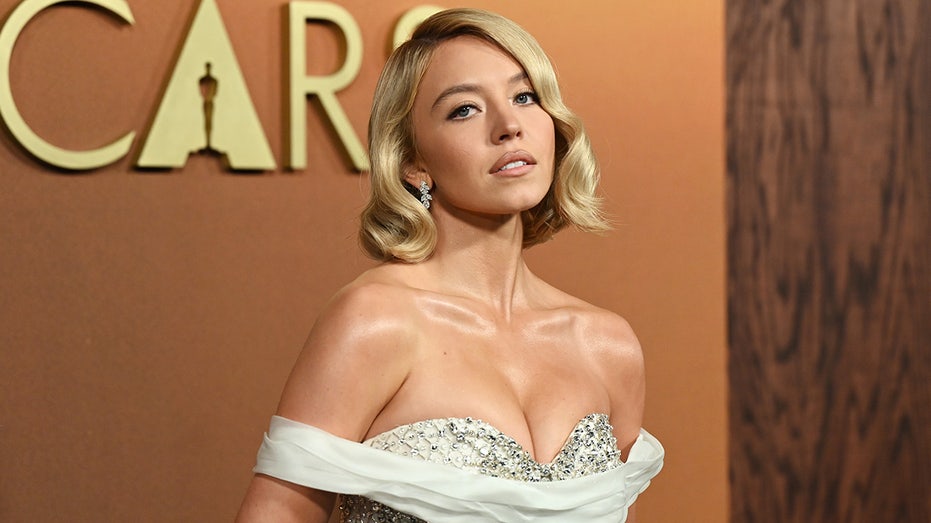
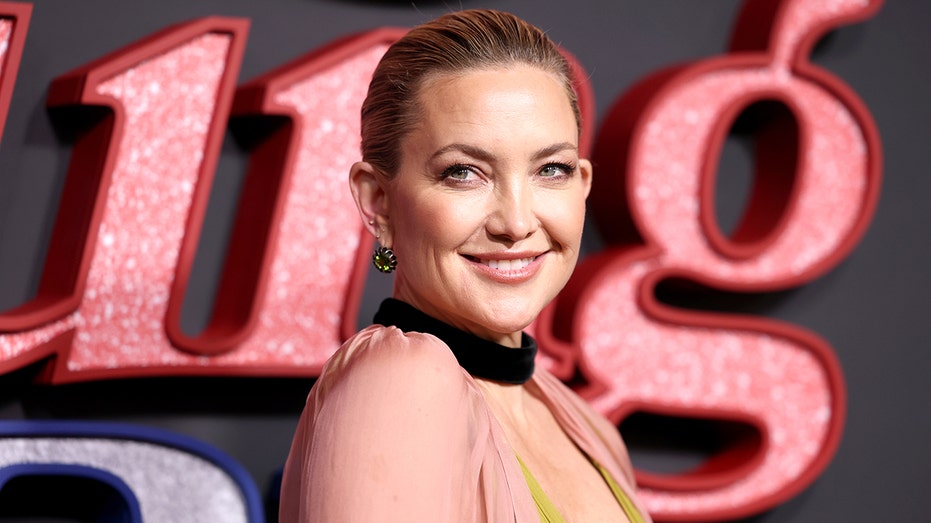
Coverage of Kate Hudson’s plunging green-and-pink gown at the New York premiere of Song Sung Blue reads like typical red-carpet fare: dresses, hair, who stood where, who came with whom. Beneath that glossy surface, however, this moment sits at the intersection of three bigger stories: the multi-generational evolution of Hollywood celebrity, America’s potent nostalgia economy, and a growing desire to model civil discourse inside families that don’t agree politically.
Red Carpets as Reputation Architecture, Not Just Fashion
Red-carpet premieres have long functioned as free marketing and visual storytelling—about the film, but even more about the people selling it. For an actor with a decades-long career like Kate Hudson, every premiere is less about introduction and more about recalibration.
Her look at the Song Sung Blue event—dramatic neckline, keyhole waist, and sheer cape—signals a few calculated choices:
- Reasserting star power: At a time when streaming and social media have fragmented attention, a standout gown guarantees coverage, social shares, and visual dominance in a crowded entertainment feed.
- Bridging eras: The cape and color palette nod to 1970s glam—the era that made Goldie Hawn a household name—subtly aligning Hudson’s image with both vintage Hollywood and contemporary fashion.
- Positioning for awards season: Coming off a Golden Globe nomination, the optics matter. A striking but polished look reinforces the narrative of a serious, enduring star rather than a nostalgia act riding family name recognition.
This is what media scholars sometimes call reputation architecture: the deliberate construction of public identity across events and platforms. The dress becomes less about taste and more about strategy—another chapter in a long-running myth-making campaign that stretches from Hawn to Hudson, and now to the next generation.
The Goldie–Kurt–Kate Continuum: A Case Study in Hollywood Dynasties
The presence of Goldie Hawn and Kurt Russell on the carpet is more than a sweet family moment; it’s a visual reminder of one of Hollywood’s most enduring, self-managed dynasties.
Historically, Hollywood families have been central to the industry’s power structure—from the Barrymores to the Fondas, Hustons, Coppolas, and Smith–Pinkett Smiths. The Hawn–Russell–Hudson clan is an evolution of that tradition in the age of Instagram and podcasts:
- Unmarried but iconic: Hawn and Russell never married, defying a long-standing studio-era morality script while still managing to sell a story of stability, longevity, and mutual respect.
- Controlling the narrative: For decades, they’ve used selective openness—talk shows, profiles, now podcasts—to humanize themselves while maintaining boundaries around private life.
- Multi-platform presence: With Kate and Oliver podcasting, Wyatt Russell working in film and television, and social media offering curated glimpses, the family is effectively its own media ecosystem.
When Hawn and Russell appear at a premiere, they confer lineage and continuity—this isn’t just Kate Hudson promoting a film; it’s the latest chapter of a 50-year Hollywood story. That continuity matters in an era where algorithms reward familiarity and legacy brands often outperform unknown quantities.
‘Song Sung Blue’ and the Business of Nostalgia
The film itself—a musical drama about a Neil Diamond tribute band, drawn from a 2008 documentary inspired by a true story—plugs directly into one of the most powerful forces reshaping entertainment: nostalgia.
Several trends converge here:
- Tribute acts as cultural mirror: Tribute bands exploded in popularity in the 1990s and 2000s and remain big business, especially among Gen X and Boomer audiences. They commodify longing for a specific era and sound, offering a sense of emotional continuity in a rapidly changing world.
- Recycling IP and stories: The adaptation of a documentary into a narrative musical drama continues a pattern: Hollywood increasingly mines existing non-fiction stories (documentaries, podcasts, news features) for scripted content because they come with built-in structure and some brand recognition.
- Neil Diamond as symbolic anchor: Diamond’s music carries associations of working-class aspiration, romantic melodrama, and big-venue communal sing-alongs. Building a film around that canon taps into intergenerational memory—parents and grandparents bring emotional baggage that marketing departments can leverage.
In this context, the premiere is not just about a new movie; it’s about trying to fuse nostalgia for a musical icon, affection for a Hollywood dynasty, and the star power of Hugh Jackman—himself deeply associated with musicals and classic showmanship.
Family Politics in an Age of Polarization
The article also references Kate and Oliver Hudson’s podcast episode with Rahm Emanuel, where they discuss navigating political differences within their family. On paper, that looks like a soft anecdote. In practice, it’s a response to a broader cultural tension: how families survive ideological division.
Surveys over the past decade have consistently found Americans increasingly unwilling to date, marry, or even be close friends with someone who holds opposing political views. Holiday gatherings have become shorthand for anxiety about political arguments. Against that backdrop, Hudson’s comments—“We’re all very different… We can argue… get a little loud… but at the end of the day, we still only want to be with each other”—are a kind of counter-programming.
There are strategic layers here:
- Branding as emotionally grounded: By foregrounding family cohesion over ideology, the Hudsons position themselves as emotionally mature, relatable, and above partisan nastiness—appealing to a broad audience in a polarized market.
- Insulating against backlash: Public acknowledgment of internal political diversity allows them to avoid being easily pigeonholed as “Hollywood liberals” or “Hollywood conservatives,” reducing the risk of boycotts or targeted outrage.
- Content strategy: The podcast becomes a vehicle not just for storytelling but for value signaling: we are a family that talks, fights, and still comes back to the table. That’s a marketable ethos.
This is where the Emanuel appearance is revealing. By inviting a figure associated with hardball politics and Washington insider culture, then steering the conversation toward family dynamics, the Hudsons flip expectations. The message: even people at the heart of political conflict are still navigating the same domestic tensions as everyone else.
What Mainstream Coverage Misses
Surface-level coverage focuses almost entirely on the gown and the glamour. It typically overlooks at least three key dynamics:
- The economic function of red-carpet aesthetics: Wardrobe choices are investments in virality, earned media, and awards positioning. They’re business decisions, not just expressions of personality.
- The role of Hollywood families as long-term brands: The Hawn–Russell–Hudson cluster operates like a cross-generational franchise. Every joint appearance reinforces that brand equity and creates a sense of continuity that investors, studios, and audiences find reassuring.
- The use of personal-family narratives as soft power: Talking about how a family handles political differences isn’t just self-disclosure; it’s a deliberate narrative that aligns with broader social anxieties about division and offers a marketable vision of “functional disagreement.”
Expert Perspectives
Media and culture experts point to the interplay of image, nostalgia, and political fatigue to explain why stories like this resonate beyond fashion commentary.
On red carpets as strategy: Film and celebrity historian Dr. Sharon Marcus has written extensively about how star images are constructed over time, noting that “public appearances are serialized narratives—each outfit and event references what came before and sets up what comes next. They’re less about a single night and more about a career-long story arc.” Hudson’s appearance fits this model: a seasoned star leaning into glamour just as she’s trying to solidify a phase of more mature, awards-friendly roles.
On nostalgia and tribute bands: Cultural sociologist Dr. Simon Frith and others have argued that tribute acts are not mere imitation but “a way for communities to keep a shared past emotionally alive.” A film centered on a Neil Diamond tribute band becomes a narrative about how ordinary people use borrowed songs to author their own identities—a theme likely to resonate with audiences who grew up on those tracks.
On family and political difference: Psychologist Dr. Jonathan Haidt has highlighted how moral and political polarization can pull families apart, but also how shared rituals and affection can blunt ideological extremes. The Hudsons’ podcast remarks echo that research: conflict is acknowledged, but belonging is elevated as the stronger bond.
Data, Trends, and the Market Reality
Several data points help frame the stakes:
- Streaming and theatrical pressure: Mid-budget adult dramas and musical dramas have struggled theatrically in recent years, with many underperforming unless attached to major IP or big awards buzz. A film like Song Sung Blue will likely depend heavily on star-driven marketing, festivals, and word of mouth.
- Nostalgia as growth engine: Market research has repeatedly shown that nostalgia-themed content tends to perform strongly with viewers in their 40s–60s, who also hold substantial discretionary income—an attractive demographic for studios.
- Podcasting as brand extension: Celebrity-hosted podcasts have surged, with hundreds of shows vying for attention. Those that endure typically offer either exclusive access (personal stories) or a distinct moral frame (how to live, relate, parent). The Hudsons’ focus on family dynamics—and now political differences within that family—positions their show in the second category.
Looking Ahead: Why This Premiere Matters Beyond the Photos
Several future-facing threads flow from this seemingly simple premiere story:
- Hollywood’s evolving middle: If Song Sung Blue finds an audience, it will strengthen the case for mid-budget, music-driven dramas anchored by recognizable but not superhero-level IP. If it falters, it may reinforce the narrative that this space belongs on streaming, not theatrical screens.
- The next phase of the Hawn–Russell–Hudson legacy: How this film and its reception play out will influence how Kate is cast and marketed—more rom-com nostalgia, or deeper character work? It will also shape opportunities for cross-generational projects involving other family members.
- Celebrity as civility ambassador: Expect more public figures to foreground “we disagree but stay close” narratives, especially as brands and studios look for spokespeople who won’t alienate half the audience. Families like the Hudsons’ may become informal models for a kind of post-outrage public persona.
The Bottom Line
On the surface, Kate Hudson’s appearance at the Song Sung Blue premiere is a familiar Hollywood tableau: a glamorous gown, a photogenic family, a new movie. Underneath, it’s a carefully calibrated moment in a long-running story about legacy, nostalgia, and how celebrities are repositioning themselves as guides through an era of cultural and political fragmentation. The gown is the headline, but the real narrative is about how one Hollywood family is adapting to—and profiting from—a world where image, memory, and disagreement all need to be managed in public.
Topics
Editor's Comments
What’s striking about this story is how easily it could be dismissed as another disposable red-carpet slideshow, when in fact it crystallizes several key pressures acting on the modern entertainment industry. The reliance on nostalgia—here via Neil Diamond and a tribute-band narrative—isn’t just creative preference; it’s a risk-management strategy in an environment where theatrical outings face steep competition from streaming and social media. At the same time, the Hudson family’s public emphasis on managing political disagreement within the household feels like a subtle response to audience fatigue with combative, hyper-partisan celebrity activism. It’s not apolitical, exactly, but it shifts the focus from issues to process: how we talk, not just what we believe. The open question is whether this ‘we disagree but we’re fine’ posture can hold as polarization intensifies and as younger audiences demand more explicit political commitments from public figures. If the market increasingly rewards moral clarity over ambivalence, families like the Hudsons may find their carefully balanced narrative harder to maintain.
Like this article? Share it with your friends!
If you find this article interesting, feel free to share it with your friends!
Thank you for your support! Sharing is the greatest encouragement for us.