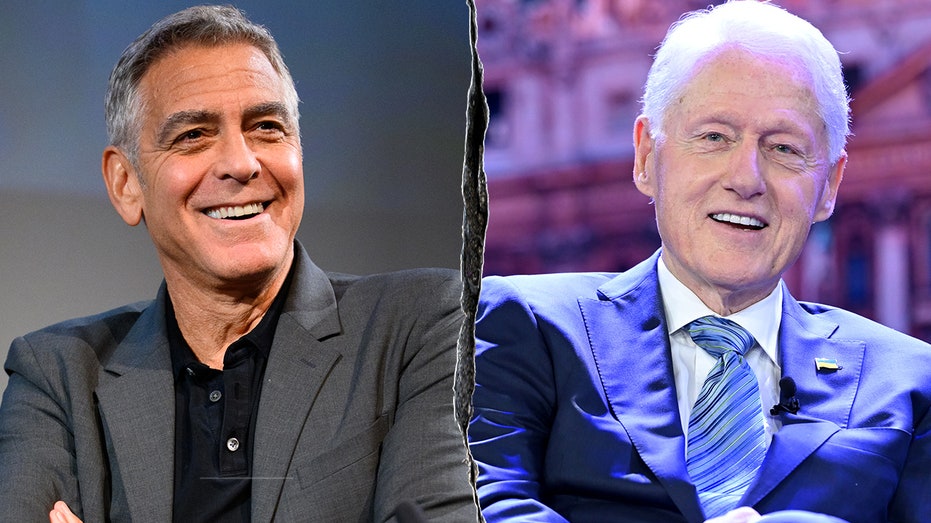
Beyond the Laughs: George Clooney’s Bill Clinton Prank and the Power of Symbolic Influence in Hollywood

Sarah Johnson
December 6, 2025
Brief
George Clooney’s Bill Clinton prank reveals how symbolic power and celebrity status shape social validation in Hollywood’s elite, exposing deeper cultural dynamics beyond mere jokes.
George Clooney’s Bill Clinton Prank: More Than Just Hollywood Hijinks
George Clooney’s revelation about impersonating former President Bill Clinton through fake presidential stationery and sending forged notes to A-list actors is funny on the surface, but it reveals much deeper insights about celebrity culture, power dynamics, and the social psychology of Hollywood elites. This prank, which reportedly duped many unwitting actors into believing they had received personal praise from a former U.S. president, is a fascinating lens on how status symbols and perceived connection to power function within elite social networks.
The Bigger Picture: Celebrity, Power, and Social Capital
Celebrity pranks like Clooney’s Bill Clinton letters fit into a long tradition of elite social play where status and access are constantly negotiated through symbolic means. Historically, political figures like Bill Clinton have retained a cultural cachet that extends far beyond formal politics, especially in Hollywood, where associations with presidents or royalty confer a form of cultural capital. Clooney’s prank leveraged this symbolism expertly: by using the presidential seal and Clinton’s name, he conjured instant legitimacy and flattery that taps into human desires for recognition and approval from powerful figures.
This prank illustrates how social capital works in these circles. Acceptance and validation from an icon—even a fictional one—can be coveted and treasured to the point where recipients apparently frame fake letters. It’s a reminder that in celebrity worlds, perception often outweighs substance, and symbols of power become prized commodities independent from their original context or authenticity.
What This Really Means: Status, Trust, and the Performance of Influence
At its core, Clooney’s elaborate ruse destabilizes assumptions about authenticity and trust within elite networks. The fact that the letters were so widely believed suggests how eager insiders are to internalize validation from figures linked to political power. It also signals a performative aspect to Hollywood’s social environment—where image, reputation, and perceived endorsements significantly shape careers and social standing.
Moreover, the prank exposes a kind of cultural feedback loop: powerful personas like Bill Clinton are mythologized and thus wield influence beyond their direct roles. Clooney’s use of fake letters calls attention to how power is often mediated through symbols (stationery, signatures) rather than direct interaction or substantive support. This dynamic has parallels in politics and other sectors, where symbolic gestures or social media mentions often carry outsized weight.
Expert Perspectives
Dr. Alice Eagly, a social psychologist specializing in influence and persuasion, notes, "Clooney’s prank exemplifies how symbolic authority can trigger deep emotional responses, even when the source is fabricated. It underlines the potent psychological need for social validation from perceived high-status figures." Meanwhile, cultural critic Henry Jenkins suggests, "Hollywood’s fascination with political figures is part of a larger spectacle economy where narratives of power are continually recycled and re-signified." Their insights illuminate how Clooney’s prank functions not merely as comedy but as a subtle commentary on cultural mechanisms of power and influence.
Supporting Data & Evidence
Research from the Pew Research Center shows that public figures, especially presidents, consistently rank among the most trusted and influential people in society, beyond their official duties. Studies on celebrity influence reveal that endorsements, symbolic or real, can measurably boost public and peer perceptions. Anecdotally, Clooney’s prank sent over 30 letters—if even a fraction were accepted and cherished seriously by recipients, it underscores the effectiveness of symbolic gestures over direct diplomacy in interpersonal influence.
Looking Ahead: Implications for Celebrity Culture and Media Literacy
This prank raises important questions about authenticity and gullibility in celebrity ecosystems. As media landscapes become ever more saturated with curated images and symbolic interactions—especially in social media era—understanding how symbols of authority are used and sometimes manipulated will be vital. Clooney’s hoax serves as a humorous yet cautionary tale reminding us to critically assess sources of validation.
Moreover, the prank suggests Hollywood insiders are not immune to the human tendency to seek status affirmation through association. This human dimension may inform future discussions about networking, influence, and even misinformation in elite circles.
The Bottom Line
George Clooney’s Bill Clinton prank is more than a charming anecdote; it highlights fundamental dynamics about power, influence, and social validation within Hollywood’s elite. Through this stunt, Clooney exposes how symbolic capital—like a presidential letterhead—can carry enormous weight, shaping perceptions and reinforcing status hierarchies. The prank invites reflection on the nature of authenticity in celebrity culture, the psychology of social influence, and the enduring mythos surrounding figures of political stature.
Topics
Editor's Comments
While this story delights with its lighthearted charm, it also functions as a subtle critique of the Hollywood ecosystem, where appearances and perceived connections often matter more than genuine relationships or merit. Clooney’s prank, in recreating the aura of presidential approval, inadvertently showcases the power of symbols over substance in celebrity culture—a phenomenon that resonates well beyond Hollywood, touching political spheres and media influence as well. It raises important questions about trust and authentication in an age where impressions can be manufactured with ease. This playful anecdote thus offers fertile ground for reflection on how power, social validation, and identity are constructed in modern society.
Like this article? Share it with your friends!
If you find this article interesting, feel free to share it with your friends!
Thank you for your support! Sharing is the greatest encouragement for us.