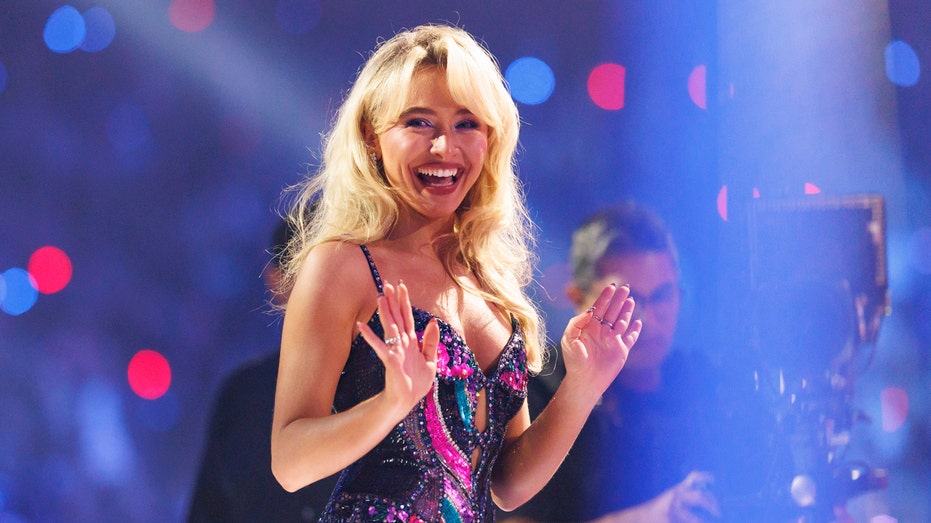
Sabrina Carpenter’s Risqué Reinvention: Navigating Gendered Backlash and Cultural Change Beyond Disney

Sarah Johnson
December 5, 2025
Brief
An in-depth analysis of Sabrina Carpenter's bold artistic reinvention, exploring the cultural tensions, gender double standards, and broader societal implications shaping reactions to her provocative new work.
Breaking Free: Sabrina Carpenter's Bold Artistic Reinvention and the Cultural Battleground of Female Sexuality
Sabrina Carpenter, once a darling of the wholesome Disney Channel sphere, is at the center of a cultural conversation far larger than music alone. Her resolute embrace of sexuality and candid self-expression in her recent albums marks a deliberate attempt to shed the constraints of her childhood image, prompting both fierce backlash and fervent support. This tension opens a revealing window into ongoing societal struggles over gender, agency, and generational values.
The Bigger Picture: From Child Star to Controversial Pop Artist
Carpenter, now 26, rose to fame over a decade ago on "Girl Meets World," a show emblematic of Disney's family-friendly branding. This early association set expectations about her public persona: youthful innocence, approachability, safe role-model status. However, the evolution of former child stars is hardly unique; many wrestle with the challenge of redefining themselves and their artistry when transitioning to adulthood. What makes Carpenter's journey notable is her insistence on openly integrating themes of sexuality and autonomy into her music, accompanied by provocative visuals, such as the controversial "Man’s Best Friend" album cover.
Diving deeper, this isn’t just a personal career pivot but reflects a broader pattern observed with artists like Miley Cyrus, Selena Gomez, and others who have grappled with escaping Disney or Nickelodeon's shadow. The backlash Carpenter faces encapsulates a cultural discomfort with female artists reclaiming their bodies and narratives, especially those whose early fame was tied to youth-oriented wholesomeness.
What This Really Means: Navigating Double Standards and Cultural Hypocrisy
At its core, the criticism Carpenter receives reveals persistent gendered double standards in public discourse. She herself points to the generational divide—older audiences, many of whom grew up in different social norms and now occupy parental roles, react with scolding judgment. This tension spotlights a hypocritical stance where adult sexuality is normalized in men across generations, yet young women face disproportionate scrutiny when embracing their own sexual identities.
Carpenter’s remark, “I'm not allowed to have sex, but you are?” succinctly captures this dynamic and triggers an important discussion about autonomy, societal policing of female sexuality, and the uneven yardstick for 'acceptable' behavior. Her openness about setting personal boundaries, despite making risqué content, complicates simplistic accusations that she seeks to shock without control. Instead, she appears deliberately calibrating her reinvention—balancing authenticity with self-respect.
The mixed reception also underscores the evolving landscape of music consumption and fan relationships. Despite social media backlash and polarized commentary, Carpenter’s album debuted at No. 1 on Billboard 200, implying that many fans embrace or at least respect her artistic choices. This paradox between critical voices and commercial success exemplifies the fragmentation of audiences shaped by digital platforms.
Expert Perspectives
Dr. Laurie Shrage, gender studies scholar and ethicist, highlights that, "Carpenter’s experience is emblematic of the cultural anxiety around young women’s sexual agency in the digital age. The backlash often stems not from the art itself but from fears about losing control of female bodies that were once idealized as innocent." Meanwhile, music industry analyst Mark Freeman notes, "The evolution of artists like Carpenter challenges traditional branding, forcing labels and fans to reconsider loyalty and expectations. The tension between childhood stardom and mature expression reflects a generational shift in how identity is publicly negotiated." Media critic and author Anita Sarkeesian also points to the role of social media as a double-edged sword where artists face instantaneous but often fragmented feedback loops that can amplify controversy but also foster closer fan connections.
Data & Evidence: Shifting Audience Demographics and Market Reception
Billboard data reveals that "Man’s Best Friend" debuted at No. 1 despite controversy, demonstrating effective market penetration and a core audience willing to follow Carpenter’s transformation. Streaming statistics show a significant portion of her listenership falls within Gen Z and younger Millennials—demographics noted for nuanced, often progressive attitudes on gender and sexuality. However, engagement metrics from older demographics on platforms like Instagram and Twitter illustrate more divided opinions, correlating with Carpenter’s observation of generational backlash.
A 2024 Nielsen study on celebrity reinvention suggests 63% of artists who transition from child star roles to adult themes face critical resistance tied to expectations rather than content quality. Carpenter’s case aligns closely with this trend, emphasizing the persistent hold of past branding on new narratives.
Looking Ahead: The Future of Artistic Freedom and Cultural Dialogue
Carpenter’s unapologetic reinvention may pave the way for other former child stars or young artists grappling with their public personas. The evolving music industry appears increasingly tolerant—if not supportive—of nuanced portrayals of female sexuality, provided the narrative comes from the artist’s voice and not imposed stereotypes.
Yet, this path is not without risk. Persistent societal scrutiny may push artists to self-censor or retreat, underscoring how cultural gatekeepers still exert power. The debate sparked by Carpenter’s recent albums echoes larger societal shifts about women’s rights, body autonomy, and the dismantling of outdated moral codes.
We should watch closely how public discourse evolves as younger generations—more accustomed to fluid identities—continue to challenge norms. The interplay between artist autonomy, fan expectations, and societal values will remain a vital cultural conversation well into the next decade.
The Bottom Line
Sabrina Carpenter’s artistic journey is emblematic of a broader cultural negotiation over female agency, identity, and the power of reinvention. Far from simple shock value, her work challenges entrenched double standards and invites essential conversations about who gets to define a woman's image and voice in popular culture. Backlash notwithstanding, Carpenter's commercial success signals a shift: audiences are increasingly willing to embrace complexity and authenticity, even when that defies legacy expectations.
Topics
Editor's Comments
Sabrina Carpenter’s current moment in pop culture highlights a critical cultural dilemma: how do young women navigate the tension between past personas created during their youth and their present-day desire for authentic self-expression? The resistant reactions she encounters are less about the content of her albums and more about the unresolved anxieties society still harbors about female autonomy and sexuality. This case serves as a mirror reflecting wider societal shifts and the slow deconstruction of gendered expectations. As Carpenter challenges these norms unapologetically, she is shaping not only her own career trajectory but contributing to an ongoing redefinition of female identity in entertainment.
Like this article? Share it with your friends!
If you find this article interesting, feel free to share it with your friends!
Thank you for your support! Sharing is the greatest encouragement for us.