Matthew McConaughey’s Stunt Injury: What It Teaches Us About Risk and Reinvention in Hollywood

Sarah Johnson
December 6, 2025
Brief
A deep analysis of Matthew McConaughey’s stunt injury reveals broader Hollywood safety dynamics, risk-taking in acting, and evolving career strategies beyond surface-level celebrity stories.
Beyond the Surface: What Matthew McConaughey’s Stunt Injury Reveals About Hollywood Realities
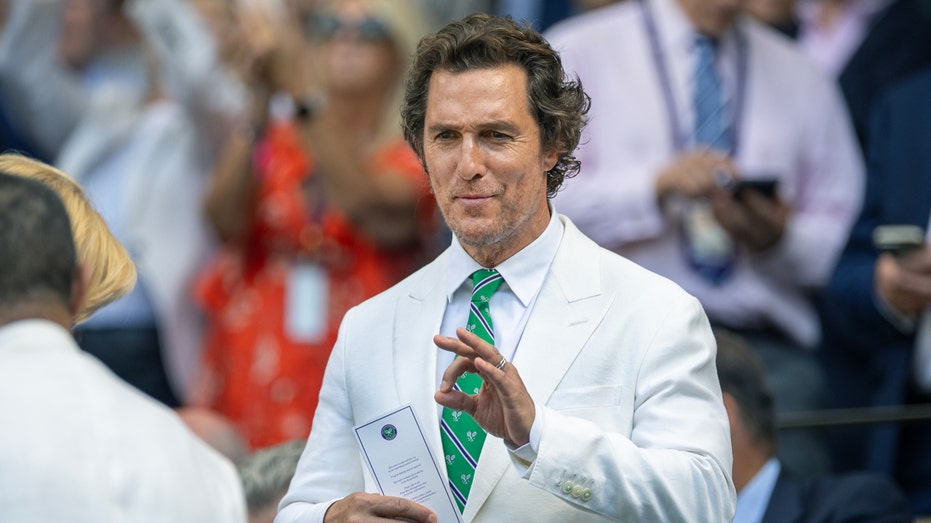
Matthew McConaughey’s recent recounting of a stunt mishap during the filming of Reign of Fire sheds light on the unspoken challenges actors face when performing their own stunts — and the wider lessons about risk, professionalism, and career evolution in Hollywood. What might read as a simple anecdote about a painful leg injury actually opens a door into the complex dynamics between star ambition, industry safety protocols, and the shifting nature of celebrity craft.
The Bigger Picture: Stunts and Star Image in Hollywood's Evolution
Performing one’s own stunts is a well-established but often under-appreciated tradition in film. From the swashbuckling Errol Flynn of the 1930s to modern action icons like Tom Cruise, the willingness of lead actors to undertake physical risks often enhances authenticity and audience engagement. Yet this practice is fraught with tension between artistic commitment and practical safety, amplified by industry insurance policies and union regulations that constrain what actors can legally do.
McConaughey entered Hollywood in the 1990s as a romantic lead, a phase in his career marked by less physical risk and more charm-driven roles. His shift in the 2000s toward grittier parts with dramatic heft coincided with an increasing willingness to do his own stunts—underscoring an evolution not just of the actor himself but of Hollywood’s broader appetite for realism and immersive storytelling. The injury McConaughey sustained on Reign of Fire, early in his stunt-performing days, represents a microcosm of this professional transformation.
What This Really Means: Risk, Professionalism, and Selves at Stake
McConaughey’s injury—the hyperextension of his leg caused by poor visibility and a moment’s misplaced trust in muscle memory—illustrates the divided responsibilities on set: between actor intuition, directorial control, and safety measures. His candid admission that he should have demanded a 'cut' points to a critical industry problem where actors feel compelled to push through discomfort or ambiguity to maintain production flow and personal reputation.
This episode ultimately embodies the delicate negotiation stars must manage: projecting a fearless, committed image while simultaneously navigating potentially dangerous situations. It’s a reminder that the glossy final product often masks the invisible and sometimes costly physical tolls behind the scenes.
Expert Perspectives
Dr. Fiona Jackson, an expert in occupational safety in the performing arts, notes: "Actors doing stunts walk a fine line between artistic expression and workplace safety. Incidents like McConaughey’s highlight the need for clearer communication and stricter safety protocols on set. Psychological pressure often leads performers to downplay obvious risks, emphasizing the need for empowering them to assert boundaries without fear of reprisal."
David Reynolds, veteran stunt coordinator and industry consultant, adds: "Stunts are choreography carried out by humans with real vulnerability. Even the best-prepared actors can be caught off guard. Insurance frameworks sometimes restrict stunt performers but don’t fully address actor liability. The solution lies in comprehensive risk assessment and improved actor training."
Data & Evidence
According to a recent study by the Screen Actors Guild, nearly 20% of actors who perform stunts report at least one injury during their career, often due to conditions like poor visibility or rushed setups. Notably, younger actors with less stunt training are disproportionately affected. The entertainment industry spends upwards of $500 million yearly on accident-related insurance claims and lost production days stemming from injuries.
McConaughey’s reflection also ties into a broader trend: transformative career arcs where actors move from lighthearted genres into more physically demanding dramatic roles. Data shows a rising demand for realism in action scenes, with on-location shoots and practical effects increasing stunt risk compared to digital doubles.
Looking Ahead: The Future of Stunts, Safety, and Career Crafting
McConaughey’s experience underscores a growing need for enhanced stunt safety protocols, actor education, and mental health support around risk-taking. As streaming platforms and blockbuster franchises accelerate production demands, the pressure on actors to perform their own stunts may intensify.
We are likely to see innovations such as virtual reality stunt rehearsals, improved communication technology on set, and more collaborative decision-making involving actors, coordinators, and insurers to mitigate injury risk. Furthermore, as actors increasingly balance multifaceted careers—as McConaughey has done with writing and producing—the lessons learned from early encounters with injury may define a more holistic approach to career longevity and personal well-being.
The Bottom Line
Matthew McConaughey’s painful but ultimately instructive stunt blunder on Reign of Fire offers more than just a cautionary tale; it reveals critical tensions at the heart of Hollywood’s evolving performance culture. It highlights the intersection of physical risk, professional identity, and industry safety challenges that shape not only actors’ careers but the stories they bring to life. By embracing transparency around such experiences, McConaughey and his peers help push Hollywood toward a safer, smarter, and more respectful approach to physical storytelling.
Topics
Editor's Comments
McConaughey’s story transcends a mere stunt injury—it epitomizes the complex interplay between celebrity allure and industry realities. It prompts important questions: How much risk should an actor be expected to shoulder, and at what point does professionalism mandate saying 'no' to unsafe conditions? As on-screen authenticity becomes more prized, Hollywood must reckon with ensuring the safety and longevity of its stars. This narrative also highlights cultural shifts whereby actors assert more agency, reshaping their careers by balancing daring physicality with self-care. These lessons, though grounded in one incident, resonate across entertainment and labor discourses.
Like this article? Share it with your friends!
If you find this article interesting, feel free to share it with your friends!
Thank you for your support! Sharing is the greatest encouragement for us.