Jessica Alba’s Humiliating Nude Scene Sheds Light on Hollywood’s Evolving Gender Norms

Sarah Johnson
December 6, 2025
Brief
Jessica Alba’s reflections on her nude scene in Fantastic Four reveal tensions between conservative upbringing, evolving female superhero portrayals, and Hollywood’s shifting norms around nudity and agency.
Why Jessica Alba's "Humiliating" Nude Scene in Fantastic Four Highlights Shifting Cultural and Industry Norms
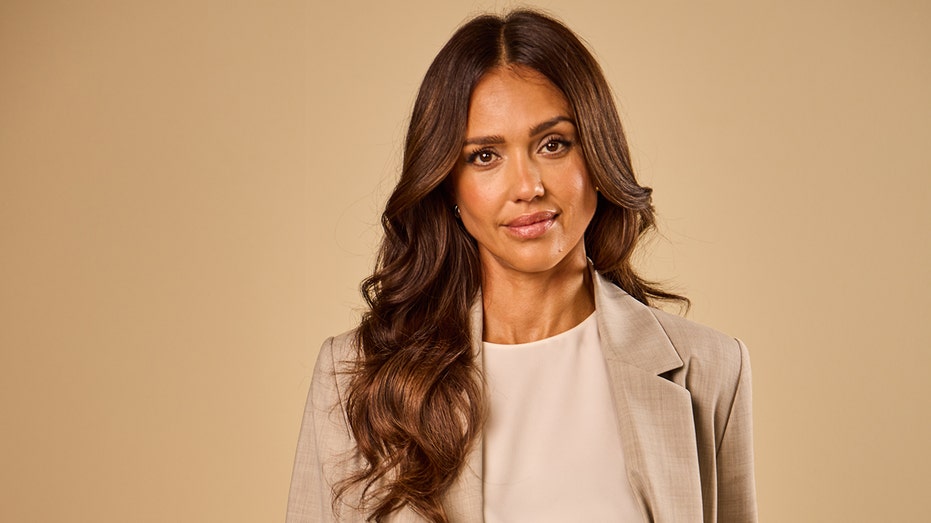
Jessica Alba’s recent reflection on filming a nude scene in the 2005 superhero hit Fantastic Four resonates far beyond a single actor’s uncomfortable experience. It encapsulates a profound clash between Hollywood’s evolving portrayal of female characters, the persistence of conservative cultural values, and the broader transformation in women’s roles both on and off screen. Alba, who described the scene as "very humiliating" due to her conservative upbringing and modest nature, shines light on an industry long at odds with personal boundaries and social expectations.
The Bigger Picture: Hollywood, Gender, and Conservative Upbringing
In the early 2000s, mainstream superhero movies were still grappling with how to portray female characters—balancing sexualization, empowerment, and traditional gender roles. Alba’s character, Sue Storm, the Invisible Woman, was written as moral, kind, and maternal, but the scene where she is unexpectedly nude in a public setting reflected Hollywood's tendency to use female nudity to generate spectacle or convey vulnerability.
Alba’s discomfort underscores how many actresses from conservative or traditional backgrounds find themselves caught between personal values and professional expectations. This tension isn’t new but has often been obscured by tabloid headlines or superficial promotion. Historically, actors faced pressure to conform to roles requiring nudity or revealing scenes as a rite of passage but have increasingly spoken out about the psychological toll.
What This Really Means: Changing Portrayals and Female Agency
Alba’s comment that her character was "not a pushover" and had a "great moral compass" hints at an important shift. She noted that during that era, women in superhero stories often needed saving, reflecting a cultural norm where female characters were secondary. Since then, there has been a conscious movement to recast female heroes with greater agency, complexity, and autonomy—seen in recent portrayals of Sue Storm and other superheroes.
This evolution dovetails with broader social movements advocating for women’s empowerment, consent, and a reexamination of how women's bodies are depicted in media. Alba’s ordeal exemplifies the personal side of this transformation—how actresses negotiate uncomfortable roles amidst industry expectations and changing cultural discourse.
Expert Perspectives
Dr. Karen Boyle, Professor of Media and Communication: "Jessica Alba’s experience illustrates the entrenched gendered power dynamics in Hollywood productions at the time. Nude scenes for women were often deployed to titillate or symbolize vulnerability rather than deepen character development, which has begun to change with greater advocacy for ethical storytelling and performer agency."
Professor Michael Kimmel, Sociologist specializing in Gender Studies: "The intersection of Alba’s conservative upbringing and Hollywood’s demands spotlights how cultural background influences performers’ comfort and identity. More open discussion about such experiences contributes to ongoing shifts in industry norms and audience expectations about depictions of nudity and female strength."
Data & Evidence: Trends in On-Screen Female Nudity
Studies highlight a notable decline in gratuitous female nudity in major film productions over the last decade. A 2023 report by Women in Film documented that scripts now more frequently employ intimacy coordinators and offer actors greater control over such scenes. The #MeToo movement has accelerated scrutiny, pushing Hollywood to prioritize safety and respect. Furthermore, recent superhero films show a trend towards more balanced gender representation both in character depth and how physicality is presented.
Looking Ahead: Industry Norms and the Representation of Women
The conversation Alba’s story sparks will likely feed into continued industry reforms on actor consent and narrative inclusion. Future roles for women superheroes are set to reflect empowered, multi-dimensional characters rather than tokenized figures or objects. Additionally, the cultural gap between conservative upbringings and current industry pressures may inspire more open dialogues and supportive frameworks for actors navigating these challenges.
With Alba’s role now being reinterpreted by subsequent actresses in newer films, there is a clear trajectory towards richer character arcs and increased sensitivity around how female bodies and identities are portrayed. Fans and industry watchers should also watch how personal stories like Alba’s inform policy changes in production environments and the framing of women’s stories at large.
The Bottom Line
Jessica Alba’s candid reflection on her "humiliating" nude scene is much more than behind-the-scenes celebrity gossip. It offers a window into the evolving landscape of female representation in Hollywood, the persistence of conservative cultural norms amid this change, and the quest for authenticity and respect in portrayals of women. Alba’s story is a microcosm of the tensions many actresses face and a testament to how conversations about gender, power, and agency have advanced since the early 2000s.
Topics
Editor's Comments
Jessica Alba’s candidness about her nude scene is a powerful lens to examine Hollywood’s changing norms around gender and agency. It invites us to think critically about how the industry once regularly pressured actresses into uncomfortable situations under the guise of artistic necessity or spectacle. Alba’s story not only reveals the personal cost borne by performers but also highlights how much progress has been made—and how much further the industry still needs to go. This reflection also encourages audiences and creators alike to question the cultural assumptions underlying female representation in media, reminding us that behind every iconic character is a person navigating complex boundaries between self, society, and storytelling.
Like this article? Share it with your friends!
If you find this article interesting, feel free to share it with your friends!
Thank you for your support! Sharing is the greatest encouragement for us.