George Clooney’s Hidden Resentment Over Losing ‘Thelma & Louise’ Role to Brad Pitt: A Turning Point in Hollywood Careers

Sarah Johnson
December 3, 2025
Brief
George Clooney’s reflection on losing a breakthrough role to Brad Pitt reveals hidden tensions in Hollywood, exploring how casting choices shape careers and cultural legacies beyond the surface.
Opening Analysis
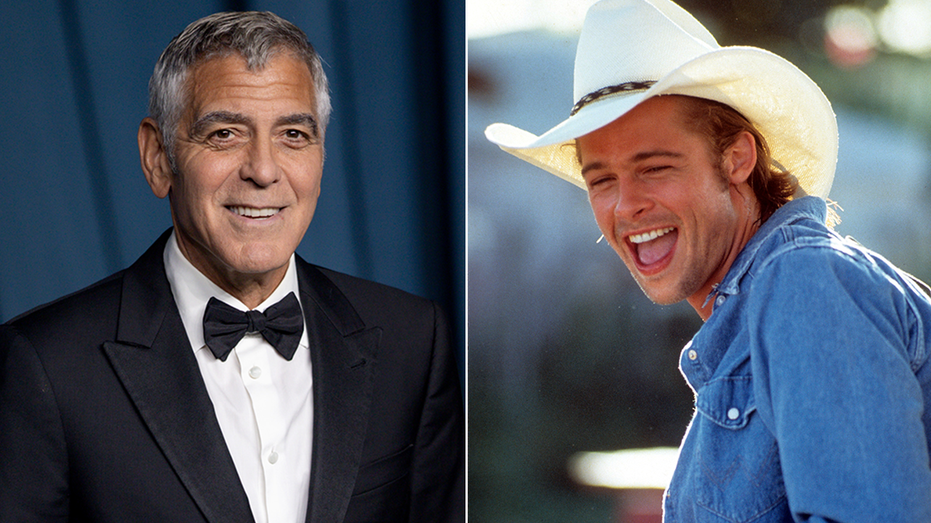
The revelation by George Clooney about his years of resentment after losing the role of J.D. in "Thelma & Louise" to Brad Pitt offers a rare glimpse into how pivotal casting decisions can shape Hollywood careers and personal trajectories. This story matters because it exposes the unpredictable nature of stardom, the emotional toll of near misses in highly competitive industries, and how key moments can causally redefine cultural landscapes and individual lives.
The Bigger Picture
"Thelma & Louise," released in 1991, is widely considered a watershed moment in American cinema for its unapologetic portrayal of female empowerment and critique of patriarchal norms. The film's casting choices profoundly influenced the trajectories of its cast. Brad Pitt's role as J.D., a charismatic drifter who seduces Thelma, became his breakout role and catapulted him from relative obscurity to household name virtually overnight. Conversely, George Clooney, at that time primarily recognized for television roles, was still on the cusp of his major breakthrough.
The early 1990s were a period when film and television were more rigidly siloed in Hollywood's hierarchy of prestige. Film actors were considered the apex, while TV actors were seen as less glamorous—even if they were talented. Clooney's remark about being "a film actor who just happened to be doing TV" underscores the stigma TV actors faced then, a stigma that has since drastically dimmed with the rise of premium television and streaming platforms.
Actors like Brad Pitt benefited from the new blockbuster indie wave of the early 90s, epitomized by films like "Thelma & Louise," "Pulp Fiction," and "Reservoir Dogs," that launched stars into sustained prominence. Clooney’s loss of this milestone role delayed his film breakthrough until the late 90s, when "ER" turned him into a television star and eventually a formidable film actor and producer.
What This Really Means
Clooney's candid admission of resentment reveals the deeply personal stakes behind casting decisions often viewed superficially as business or artistic choices. Casting a young actor in an iconic role does more than simply fill a character; it can crystallize or fracture the momentum of careers. Clooney’s frustration speaks to the emotional “what ifs” many actors harbor—how close brushes with major opportunities can haunt long after.
Furthermore, the story illuminates the nonlinear, fractious nature of Hollywood success. Clooney’s career ascended through a different path—not as a rebellious drifter but as a beloved TV doctor and later multifaceted filmmaker. This juxtaposition between Pitt’s and Clooney’s paths shows that success does not have a single formula but can emerge from setbacks as well as triumphs.
The dynamic also underscores a crucial human dimension: behind the camaraderie and collaborative works like the Ocean’s film series lies the subtle remnants of competition, envy, and the vulnerability of ego. Clooney and Pitt’s eventual friendship and professional partnership hint at resilience and professional maturity.
Expert Perspectives
Film historian Dr. Linda Williams (Prof. of Film Studies, University of California) notes, "Casting in Hollywood, especially for breakout roles, carries outsized weight in career trajectories. Brad Pitt’s J.D. wasn’t just a role, it was his launchpad—and for Clooney, it was a door closed, delaying his ascent but not stopping it."
Entertainment industry analyst Michael Schneider remarks, "The 90s indie film movement created rare cultural moments that could instantaneously elevate new actors. Losing such parts isn’t just professional—it’s psychological, impacting confidence and opportunity."
Acting coach Sheila Stevens adds, "Actors often experience rivalry and rejection deeply. Clooney’s resentment is an example of the emotional labor behind public personas—careers are often shaped by successes hidden behind many losses."
Data & Evidence
The disparity between film and television prestige was stark in the early 1990s. According to Nielsen and industry reports from that era, television actors averaged shorter career volatility and less exposure to blockbuster fame compared to film actors. Pitt's "Thelma & Louise" grossed over $45 million domestically on a modest budget, a major hit that exposed him to a vast audience.
Clooney’s rise via "ER" (1994-1999) coincided with the medical drama becoming a cultural phenomenon, pulling in an average weekly audience north of 20 million, cementing his presence in popular culture and giving him leverage for film roles starting mid-90s onward.
Looking Ahead
The story also serves as a case study in the evolving nature of celebrity within the entertainment industry. Today’s actors navigate an environment where the lines between film, TV, and streaming are more porous, reducing the stigma Clooney felt in the early 90s. However, the emotional impact of rejection and competition remains pervasive.
As both Clooney and Pitt continue to collaborate in the 2020s, including the upcoming thriller "Wolfs," their relationship symbolizes the complexities of professional rivalry turned into mutual respect. This narrative provides an encouraging model for navigating setbacks and the mercurial nature of fame.
Moreover, the story invites reflection on how casting choices shape not just individual careers but cultural memory and cinematic history, reinforcing the importance of recognizing overlooked talents and the human stories behind cinematic legends.
The Bottom Line
George Clooney’s decades-long resentment over losing the role of J.D. in "Thelma & Louise" to Brad Pitt underscores the fragile, unpredictable nature of acting careers. It sheds light on the emotional stakes behind iconic casting decisions, the shifting prestige dynamics between TV and film through the 1990s, and the resilience required to turn setbacks into long-term success. Ultimately, the episode enriches our understanding of Hollywood’s complex human ecosystem, where rivalry and friendship often intertwine.
Topics
Editor's Comments
This story is a fascinating reminder that the glitz of Hollywood often veils the very human struggles behind the scenes. George Clooney’s admission of resentment is not just about a lost role but about the unpredictable alchemy that shapes stardom. It challenges the common narrative of seamless success and highlights the emotional cost actors bear. Moreover, the eventual friendship and collaboration between Clooney and Pitt affirm the industry's complex interpersonal dynamics, where rivalry and camaraderie coexist. This analysis encourages readers to look beneath casting headlines to understand the cultural and psychological dimensions that define celebrity and career longevity.
Like this article? Share it with your friends!
If you find this article interesting, feel free to share it with your friends!
Thank you for your support! Sharing is the greatest encouragement for us.