Billy Gardell’s 170-Pound Weight Loss and the Dark Economics of Food as Emotional Medicine

Sarah Johnson
December 15, 2025
Brief
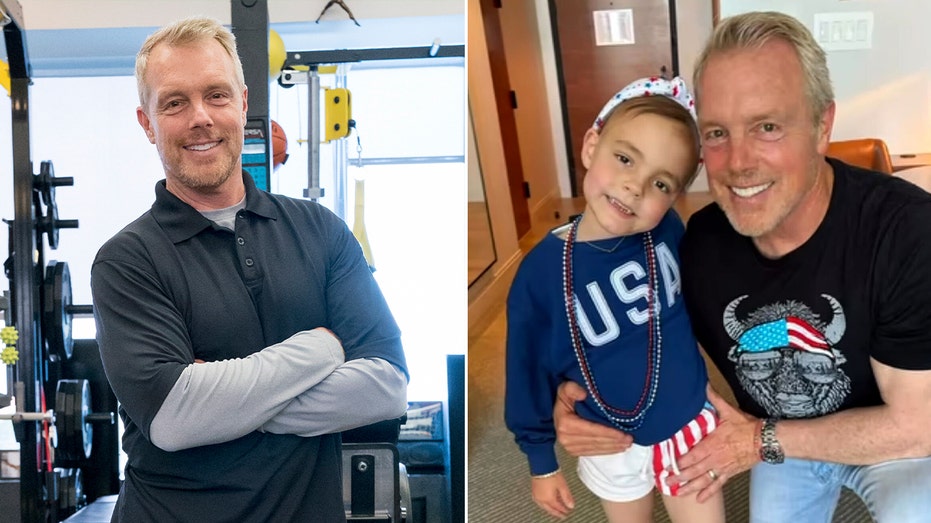
Billy Gardell’s 170-pound weight loss is more than a celebrity makeover. It exposes America’s dependence on food as emotional medicine, the role of bariatric surgery, and systemic failures in metabolic health.
Billy Gardell’s 170-Pound Transformation Exposes America’s Silent Addiction to Food as Emotional Medicine
Actor Billy Gardell’s 170-pound weight loss is being covered as a feel-good celebrity transformation. But behind the before-and-after photos is a much bigger story about how Americans use food as legal self-medication — and why the health system usually waits until people are near crisis before offering meaningful help.
When Gardell calls food his “poison pills,” he’s not speaking metaphorically. He’s describing a pattern that public health experts and addiction researchers have been warning about for years: ultra-processed, hyper-palatable food functioning like a slow-acting drug in a society that normalizes overconsumption and individualizes the blame.
From ‘Big Funny Guy’ to Bariatric Surgery: What His Story Really Reveals
Gardell’s arc is painfully familiar. By 2020, he weighed about 370 pounds and had accumulated a cluster of conditions — type 2 diabetes, sleep apnea, high blood pressure, smoking, asthma — that put him on the COVID high-risk list. The pandemic didn’t create his health crisis; it exposed how fragile it already was.
His turning point came in 2021, when he opted for bariatric surgery “out of desperation.” That phrase is key. Bariatric surgery in the U.S. is often framed as a last resort for people who have “failed” diet and exercise, rather than a mainstream, evidence-based tool for a chronic, relapsing condition. Gardell’s desperation is not a personal failing; it’s a symptom of how late we intervene.
His post-surgery reframing — “Food is fuel. It’s not reward, it’s not soothing, it’s not medication” — is the language of someone being forced to rewrite a lifetime of emotional conditioning. That’s where his story intersects with a broader national crisis.
The Bigger Picture: Food as Emotional Coping in a Metabolic Crisis
Gardell describes using food to “medicate” emotions — to blunt pain and amplify joy. That isn’t just his psychological quirk; it’s a learned behavior heavily reinforced by culture and industry.
- Obesity trends: In the U.S., about 42% of adults meet criteria for obesity, up from roughly 15% in the late 1970s. Severe obesity (BMI ≥ 40), the category in which bariatric surgery is typically considered, has nearly quadrupled in that time.
- Diabetes surge: More than 38 million Americans have diabetes, about 90–95% of which is type 2. An estimated additional 98 million adults have prediabetes. Gardell’s “diabetes is gone” after weight loss aligns with extensive research showing remission is possible — but the health system often treats type 2 as an inevitable, lifelong condition.
- Ultra-processed dominance: Ultra-processed foods now make up more than half of the average American’s calorie intake. These foods are designed to be cheap, convenient, intensely flavorful — and very easy to overeat.
In that context, using food as a “poison pill” is less an individual choice and more an expected outcome of an environment that relentlessly nudges people toward overconsumption while giving them limited time, energy, or support to push back.
Why Emotional Eating Is So Powerful — and So Misunderstood
Gardell puts his finger on a psychological dynamic that public messaging often glosses over: people don’t just overeat because they like food; they overeat because food is doing a job.
- Regulating distress: For someone who left home at 17 to pursue an uncertain career, food as “medication” is unsurprising. Research shows that chronic stress, trauma, and economic insecurity are strongly associated with higher rates of obesity and binge eating.
- Reward and celebration: Gardell says he used food both when his feelings were bad and when they were good. That dual function — comfort and reward — mirrors how people use substances like alcohol: to numb and to celebrate.
- Neurobiology of cravings: Highly processed foods loaded with sugar, fat, and salt light up the brain’s reward circuitry in ways that resemble addictive drugs. While the term “food addiction” is still debated, the neurobiological overlap is significant enough that some researchers argue for treating severe overeating more like a substance use disorder than a simple willpower problem.
Popular coverage tends to cut quickly from “I used food for comfort” to “I lost weight and feel great.” What disappears is the messy middle: the therapy, the relapse risks, the years of identity bound up in being the “big guy,” the social networks built around eating and drinking. When Gardell jokes he still battles the “fat guy” inside, that’s not just humor. It’s a nod to the psychological permanence of an identity formed around weight.
Bariatric Surgery: The Life-Saving Tool We Still Treat as a Moral Failure
Gardell’s surgery was both a medical intervention and a cultural transgression. Bariatric surgery remains deeply stigmatized, even as the evidence base grows stronger.
- Effectiveness: Large studies show bariatric surgery can lead to 25–35% total body weight loss and significantly reduce long-term mortality. Remission of type 2 diabetes occurs in roughly 60–80% of cases shortly after surgery, though some relapse over time.
- Underuse: Millions of Americans meet clinical criteria for bariatric surgery, but only a small fraction receive it each year. Barriers include insurance restrictions, cost, lack of referrals, fear of complications, and stigma.
- Framing as ‘desperation’: That word matters. Patients often aren’t offered surgery as one option among many; they’re told about it only after years of failed diets and worsening health. By the time they arrive at surgery, many feel they’ve exhausted every other avenue and internalized years of shame.
Gardell’s story quietly challenges this stigma: he is open that surgery “saved his life.” That’s a radical statement in a culture that still treats surgical intervention as cheating rather than as a legitimate, evidence-based treatment for a chronic disease.
The COVID Wake-Up Call — And What We Still Haven’t Learned
Gardell’s moment of reckoning came when COVID risk lists rolled out and he realized he had “all” the high-risk conditions. Millions of Americans had the same realization, but the policy response to that wake-up call has been thin.
- Metabolic vulnerability: COVID outcomes were much worse for people with obesity, diabetes, and hypertension. That wasn’t a surprise to metabolic health researchers, but it was a shock to many patients.
- Short-term vs long-term response: The pandemic prompted rapid vaccine development and emergency care expansion, but it did very little to address the chronic disease burden that made so many Americans vulnerable in the first place.
- Individual scare, systemic inertia: For Gardell, fear translated into action. For the health system, the pandemic largely did not become the catalyst for a national metabolic health strategy — one that might include serious action on ultra-processed foods, food deserts, and prevention-focused primary care.
Gardell’s personal pivot is inspiring, but it also highlights how much of the burden is still placed on individuals to fix problems that are partly produced by policy, economics, and industry.
Celebrity Weight Loss Stories: Inspiration or Distraction?
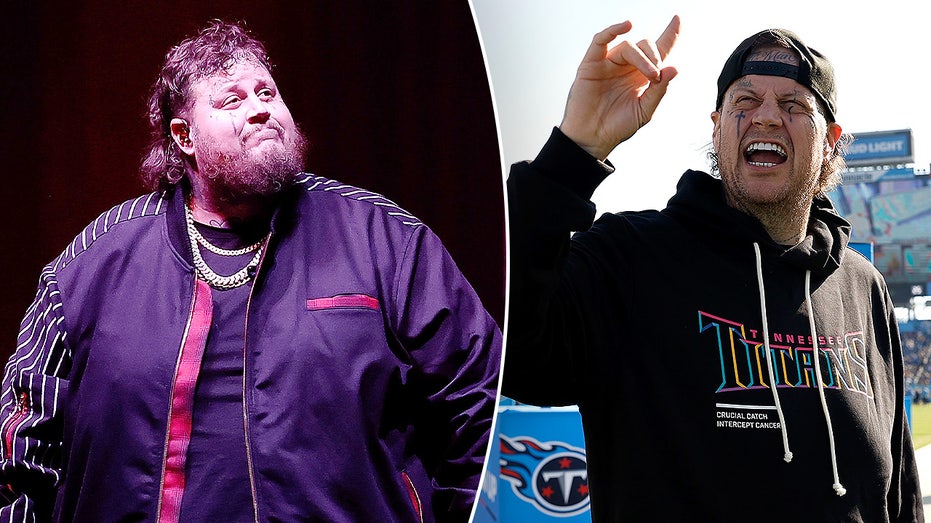
Gardell joins a growing list of celebrities — from musicians like Jelly Roll to actors and reality stars — publicly documenting dramatic weight loss. These narratives do important work in destigmatizing both obesity and treatment. But they also risk oversimplifying the path from crisis to recovery.
Several dynamics are worth flagging:
- Access gap: Celebrities often have better insurance, access to top surgeons, personal trainers, nutritionists, and the ability to take time off work to recover and rebuild habits. That doesn’t invalidate their work; it highlights a gap. If their success stories aren’t matched with policy changes that broaden access, coverage can function as aspirational content more than a blueprint for the average person.
- Image pressures: Actors, especially those known as “big funny guys,” often face conflicting pressures: to stay large because it’s part of their brand, and to slim down to meet both medical and industry expectations. Gardell’s shift reflects not just health needs but a changing Hollywood landscape, where visible obesity is less tolerated even in comedy.
- New stigma risks: When celebrities frame weight loss as purely a matter of self-love and willpower, it can unintentionally reinforce the idea that those who remain heavy simply don’t care enough. Gardell’s acknowledgment of surgery and emotional healing complicates that narrative in a useful way.
Expert Perspectives: Addiction, Metabolism, and Identity
Gardell’s story intersects several expert domains — addiction science, bariatric medicine, and mental health.
Addiction specialists note that his language mirrors substance use recovery. Reframing food from reward to fuel is akin to someone in alcohol recovery redefining what “relaxation” or “celebration” looks like without drinks. Slip-ups are common, and the goal is not perfection but a different relationship with the substance.
Bariatric surgeons increasingly emphasize that surgery is only one component of a long-term treatment plan that must include psychological support, nutrition education, and ongoing follow-up. Without that, weight regain and transfer addictions (shifting from food to alcohol or other behaviors) are real risks.
Mental health professionals highlight a key line from Gardell: “You have to learn to love yourself.” That could read as self-help cliché, but in clinical terms it speaks to addressing shame, trauma, and self-loathing that often fuel disordered eating. If those underlying drivers aren’t treated, surgery alone is unlikely to deliver durable change.
What’s Being Overlooked: The System Around the Individual
The coverage of Gardell’s transformation, like most celebrity weight loss stories, focuses on personal decisions: he chose surgery, he changed his mindset, he exercises. What’s missing is a clear look at the system around him — and around millions of others who won’t get that same second chance.
- Insurance and inequality: Bariatric surgery is not uniformly covered, and pre-approval requirements can be onerous. Lower-income patients face more barriers despite having higher rates of obesity and diabetes.
- Food environment: Many Americans live in neighborhoods saturated with fast food and convenience stores, with limited access to fresh produce. Asking them to treat food solely as “fuel” ignores the structural reality of what’s available and affordable.
- Work and time scarcity: Long work hours, multiple jobs, and caregiving responsibilities make cooking healthy meals and exercising regularly a luxury for many.
Gardell’s story should prompt a shift in how we talk about weight loss: from moral narratives about discipline to structural questions about access, environment, and mental health support.
Looking Ahead: From Individual Redemption to Collective Responsibility
There are several key implications if we take Gardell’s experience seriously rather than treating it as another celebrity makeover.
- Normalize metabolic treatment: Treat obesity and type 2 diabetes as chronic, treatable conditions requiring multi-modal care — behavioral, pharmacologic, surgical — instead of expecting lifestyle change alone to solve deeply entrenched patterns.
- Integrate mental health: Make psychological screening and support standard in obesity care, especially around emotional eating, trauma, and identity. Gardell’s emphasis on emotional healing is not optional; it’s central.
- Policy-level food changes: Re-examine subsidies, marketing to children, and the availability of ultra-processed food. Individual responsibility will always matter, but it’s distorted in an environment that makes unhealthy choices the default.
- Reframe success: Instead of glorifying extreme weight loss, focus on sustainable health markers: remission of diabetes, improved mobility, better sleep, higher quality of life — exactly the outcomes Gardell quietly mentions when he says, “My diabetes is gone… I feel strong. I have energy.”
The Bottom Line
Billy Gardell’s 170-pound weight loss is not just a personal triumph; it’s a case study in how Americans use food as emotional anesthesia in a system that is structurally set up for metabolic failure. His decision to undergo bariatric surgery, rewire his relationship with food, and publicly name his former habits as “poison pills” spotlights both the power of individual change and the limits of framing obesity as a purely personal issue.
If this story is going to be more than another viral transformation, the question isn’t just how Gardell changed his life — it’s whether the rest of us are willing to change the conditions that made his crisis so predictable.
Topics
Editor's Comments
What stands out in Gardell’s story is not just the weight he lost, but the language he uses. Calling food his “poison pills” reflects an emerging reality: we have normalized a food environment that functions like a slow-acting drug market, especially for people under chronic stress. Yet most coverage still treats his transformation as an individual triumph of mindset and medical intervention. That framing is comfortable, but incomplete. It doesn’t reckon with why he had to get to 370 pounds and a COVID risk crisis before meaningful help was on the table. Nor does it ask why bariatric surgery remains out of reach or stigmatized for millions in similar situations. A more honest conversation would connect stories like his to agricultural policy, food marketing, labor conditions, and mental health access. Until we do, we’ll keep celebrating exceptional recoveries while ignoring the structural machinery that keeps creating the next Billy Gardell.
Like this article? Share it with your friends!
If you find this article interesting, feel free to share it with your friends!
Thank you for your support! Sharing is the greatest encouragement for us.