Sobriety, Protein, and Power: The Real Story Behind India Gants’ 50-Pound Weight Loss

Sarah Johnson
December 15, 2025
Brief
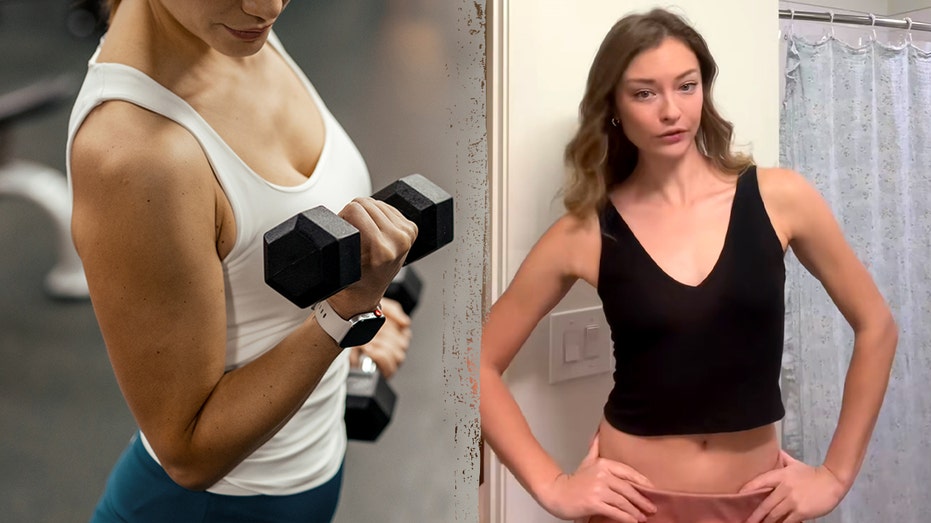
India Gants’ 50-pound weight loss is more than a TikTok success story. It reveals deeper shifts in sobriety culture, protein-centric nutrition, and women’s strength training — and the new pressures they create.
What a ‘Top Model’ Winner’s 50-Pound Weight Loss Reveals About Sobriety, Protein, and the Future of Fitness Culture
India Gants’ story sounds almost too simple: quit alcohol, eat more protein, lift weights – and lose 50 pounds with “very little effort.” But beneath the viral TikTok framing is a much bigger cultural shift around alcohol, body image, and what sustainable health actually looks like.
Her experience is less a miracle and more a case study in how three evidence-backed habits intersect with economics, brain chemistry, and a changing social climate – especially among young women and in image-driven industries like modeling.
From ‘Skinny at Any Cost’ to Strong, Sober, and Fueled
For decades, fashion and celebrity weight stories followed a familiar script: extreme dieting, overexercise, and quiet suffering. What makes Gants’ story notable is not the weight lost, but the direction of the cultural signal: sobriety instead of party culture, strength training instead of endless cardio, and more food – not less – in the form of protein.
This shift didn’t appear in a vacuum. In the early 2000s, the fashion industry romanticized ultra-thinness, often linked to smoking, stimulant use, and severe restriction. Backlash grew as eating disorders surged and multiple runway models died from complications related to extreme thinness. By the late 2010s, brands started publicly embracing “strong, not skinny,” and the fitness industry turned weightlifting from a bodybuilder niche into a mainstream wellness pillar.
Gants’ narrative sits at the intersection of three larger trends:
- A sober-curious movement redefining alcohol’s role in social life
- A protein-centric nutrition culture driven by both science and food marketing
- A strength-training boom reframing female fitness around muscle and longevity
Why Quitting Alcohol Is Doing More Than ‘Cutting Empty Calories’
Most coverage frames alcohol and weight loss around simple math: drinks are “empty calories.” That’s true – a standard drink contains roughly 100–150 calories – but it misses the more powerful, compounding mechanisms Gants is likely tapping into.
Alcohol doesn’t just add calories; it temporarily shuts down fat burning. When alcohol enters the system, the body prioritizes metabolizing it as a toxin, slowing or halting fat oxidation. Studies have shown that even moderate drinking can impair sleep quality, increase next-day fatigue, and drive cravings for high-fat, high-salt foods. That aligns with Dr. Peter Balazs’ point that alcohol “actively opposes” weight loss by increasing appetite and lowering inhibitions around food.
What often goes unremarked – and Gants hints at – is the neurological shift. Alcohol changes dopamine and GABA signaling, which affects motivation, mood, impulse control, and energy. Removing it doesn’t just remove calories; it removes a daily neurological headwind. That can make it easier to maintain consistent habits that compound over time: cooking at home instead of late-night takeout, going to the gym instead of nursing a hangover, going to bed earlier instead of staying out drinking.
There’s also a socioeconomic layer. Drinking culture is expensive – in money, time, and opportunity cost. As Gants notes, heavy drinkers often “give up everything for alcohol.” For someone in a performance- and appearance-based profession like modeling, redirecting that investment into training, recovery, and career can produce outsized returns, including in body composition.
Her launch of a sobriety-focused podcast reflects a broader shift: sobriety is moving from the shadows of anonymous recovery spaces into aspirational lifestyle branding. That carries both promise and risk – it destigmatizes quitting, but it can also gloss over how hard and medically complex withdrawal and long-term recovery can be for many people.
Protein as a Psychological and Physiological ‘Cheat Code’
One of the most overlooked parts of Gants’ story is not just that she ate more protein – but the mindset framing she used: adding, not restricting.
Historically, diet culture has centered on elimination – no carbs, no sugar, no fat. That approach reliably triggers psychological backlash: feelings of deprivation, binge–restrict cycles, and eventual weight regain. Gants flips that script by emphasizing an abundance frame: “I didn’t cut out anything… I tried to eat more protein.”
That aligns with a growing body of research showing that higher protein intake can:
- Increase satiety, reducing overall calorie intake without conscious restriction
- Support muscle maintenance and growth, especially when combined with resistance training
- Reduce the risk of weight regain after weight loss
Meta-analyses have found that diets with protein making up roughly 25–30% of total calories tend to improve weight loss and body composition compared with lower-protein diets, particularly when calories are controlled.
The mental part matters as much as the macros. For many people, being told to “eat more of X” feels far more sustainable than “never eat Y again.” It turns weight management into a proactive, addition-based behavior rather than a moral struggle against temptation. In that sense, protein functions as both a nutritional tool and a psychological anchor.
However, as Dr. Sarah Towne points out, there’s a risk in overcorrecting into protein-only thinking. Diets that lean too heavily on animal protein without adequate fiber and plant foods are linked to cardiovascular risk and gut health issues. The more nuanced message: prioritize protein, but within a pattern rich in whole, plant-based foods.
Weightlifting: From Vanity to Longevity Strategy
Gants calls weightlifting a “life hack,” but that shorthand hides how radical it is that a mainstream model is telling women to lift heavy as a pathway to their best body. As recently as the 1990s, women were warned that weights would make them “bulky.”
Today, the science is clear: muscle mass is one of the most reliable biomarkers of healthy aging. Studies show that higher grip strength and lean mass correlate with lower mortality, fewer mobility limitations, and reduced risk of chronic disease. Strength training also improves insulin sensitivity and bone density – critical for women, who are disproportionately affected by osteoporosis.
For weight loss, the key isn’t that lifting burns more calories than cardio – it typically doesn’t in the moment – but that it preserves or increases muscle during a calorie deficit. As Dr. Balazs notes, that ensures the weight lost is mostly fat, not lean tissue. Since muscle is metabolically active, preserving it helps sustain a higher resting metabolic rate and reduce the likelihood of rebound gain.
Gants’ point that 15–30 minutes, three times a week can change body composition is consistent with research showing benefits from even modest, consistent resistance training. Her message is particularly powerful for people who feel locked out of fitness culture by time, money, or intimidation barriers – especially women who may still feel unwelcome or self-conscious in weight rooms designed for male bodybuilders.
What’s Being Overlooked: Genetics, Privilege, and Risk of Oversimplification
There’s a danger in the “three simple habits” narrative: it can imply that anyone who doesn’t see similar results is simply not trying, ignoring structural, biological, and psychological barriers.
Key missing pieces in most viral success stories include:
- Genetics and baseline physiology: People differ in how strongly they respond to changes in diet, exercise, and alcohol intake. Some have more resistant fat distribution patterns or underlying hormonal issues such as PCOS or hypothyroidism.
- Mental health and trauma: Alcohol isn’t just a habit; it’s often self-medication. Quitting can destabilize people without adequate support, therapy, or medical supervision.
- Socioeconomic context: Access to a safe gym, time to train, quality protein, and support for sobriety is unevenly distributed. A working parent in a low-wage job faces very different constraints than a model with flexible scheduling.
- Professional incentive: In the modeling industry, losing weight and changing body composition can unlock more lucrative work. That external motivation and social reinforcement can amplify adherence.
This doesn’t diminish Gants’ accomplishments; it situates them. Her story is best seen as a powerful proof-of-concept for what happens when three well-supported levers line up – not as a universally replicable formula.
The New Body Ideals: From Thin to ‘Lean and Strong’
Another underexplored angle is how this story reshapes beauty standards. Moving from “thin at all costs” to “lean, muscular, and sober” is progress, but it’s still a demanding ideal – and one that requires time, discipline, and resources.
There’s a risk of moralizing health behaviors: sober, high-protein, strength-trained bodies as morally superior, self-optimized citizens. For those dealing with chronic illness, disability, or financial barriers, that framing can be alienating. Public health experts increasingly warn that wellness culture can become another form of social hierarchy, where certain bodies signal virtue and others are read as failure.
The challenge going forward is not just to promote evidence-based habits, but to do so without turning them into a new purity test. Gants’ own acknowledgment that sobriety was “hard to get here” is a valuable counterweight to the effortless TikTok aesthetic.
Where This Trend Is Heading
Three broader implications emerge from this story:
- Sober-curious goes mainstream: As more high-profile figures talk openly about quitting alcohol for performance, aesthetics, and mental clarity – not just addiction – expect continued growth in non-alcoholic beverages, sober social spaces, and digital communities around sobriety.
- Strength training becomes non-negotiable: With mounting data linking muscle to longevity, healthcare providers are increasingly prescribing resistance training alongside medication and diet. Stories like Gants’ help normalize weights as foundational, especially for women.
- Protein wars intensify: Food brands, supplement companies, and influencers are all betting on protein-centric messaging. The key public health task will be distinguishing high-protein patterns that are also heart- and planet-healthy (e.g., plant-forward, minimally processed) from high-protein ultra-processed diets.
The Bottom Line
India Gants’ 50-pound weight loss isn’t a magic trick; it’s the visible outcome of three powerful, interconnected levers: removing a metabolic and behavioral saboteur (alcohol), adding a satiating and muscle-supporting nutrient (protein), and investing in the single most underrated health asset of modern life (strength).
Her story matters not just because it’s inspiring, but because it signals where our cultural conversation about bodies, health, and success is heading: toward sobriety as a performance enhancer, muscle as a longevity currency, and diet as addition rather than deprivation. The opportunity – and the challenge – is to make that shift accessible without turning it into yet another unattainable standard.
Topics
Editor's Comments
What’s striking about this story is how effectively it packages three complex, evidence-backed behaviors into an influencer-friendly formula. That’s both its power and its problem. On one hand, the habits Gants highlights – sobriety, higher protein, strength training – are among the most robustly supported levers for improving health and body composition. If her platform nudges even a fraction of young women away from destructive crash dieting toward building strength and eating adequately, that’s a net public health win. On the other hand, the narrative risks erasing the messy reality: quitting alcohol can involve withdrawal and relapse, lifting weights can be intimidating and inaccessible, and higher-protein diets can be financially out of reach. There’s also the looming cultural shift from thinness to optimized strength as the new moral standard, which could simply replace one form of body pressure with another. The unanswered question is whether wellness culture can promote these habits without attaching virtue to a particular body outcome – and whether the healthcare system will catch up by making these tools truly accessible beyond the already health-conscious, relatively privileged audience that stories like this mostly reach.
Like this article? Share it with your friends!
If you find this article interesting, feel free to share it with your friends!
Thank you for your support! Sharing is the greatest encouragement for us.