Beyond the Laughs: What Brooke Shields’ Daughter’s Viral TikTok Reveals About Today’s Graduate Job Hunt

Sarah Johnson
December 6, 2025
Brief
An in-depth analysis of Brooke Shields' daughter's viral TikTok mocking ambitious job hunt advice, exploring generational shifts, labor market challenges, and the nuanced realities facing new graduates today.
Why Brooke Shields' Daughter’s TikTok Skit Resonates Beyond a Viral Joke
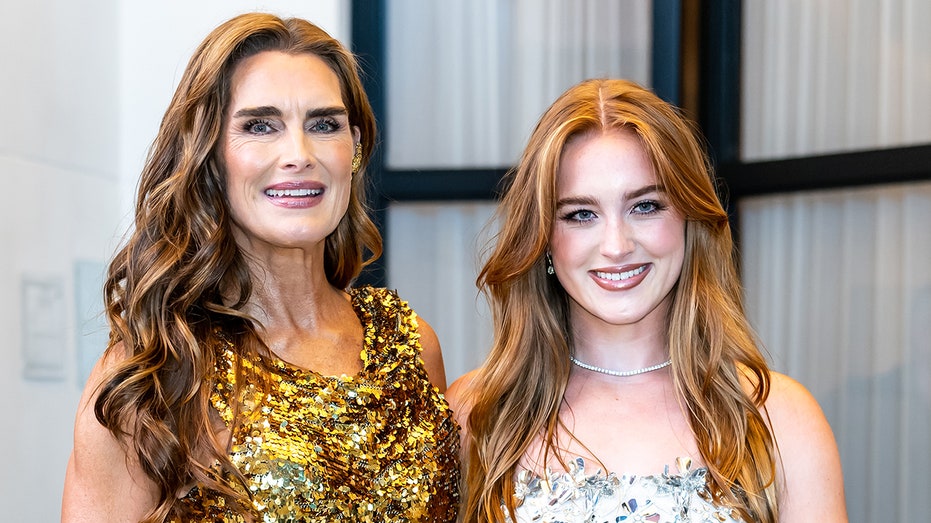
Brooke Shields’ daughter, Rowan Henchy, recently went viral with a TikTok video playfully mocking her father Chris Henchy’s ambitious job-hunting advice for recent graduates. While her skit depicting a confident, borderline audacious approach to landing a job made many laugh, it also opens a window into generational shifts in employment expectations, evolving norms around self-presentation, and the daunting realities faced by today’s graduates in a hyper-competitive labor market.
The Bigger Picture: Shifting Reality of Job Hunting for New Graduates
Rowan’s exaggerated confidence in “walking straight up to the head of Disney Channel” and demanding an interview contrasts starkly with traditional advice emphasizing humility and patience. Historically, job hunting—especially for entry-level roles—was often a protracted process reliant on formal applications and networking through established channels. In previous decades, face-to-face cold approaches to senior executives were rare and generally discouraged.
However, Rowan’s portrayal highlights a newer narrative circulating in parenting and career coaching circles: the encouragement for graduates to be bold, distinct, and relentlessly self-promotional. This reflects broader cultural shifts influenced by social media, personal branding, and startup-era “go-getter” mythologies. Parents like Chris Henchy, with creative and entrepreneurial backgrounds, often stress aggressive self-advocacy as critical to breaking through today’s congested job market.
Yet Rowan’s mockery—laced with laughter and exaggeration—touches on a real skepticism among younger workers about whether such high-octane tactics are genuinely feasible or effective. After all, the average graduate today faces complex challenges including economic uncertainty, automation, internships without pay, and often opaque hiring processes.
What This Really Means: Opportunity, Reality, and the Limits of Ambition
Rowan’s TikTok simultaneously celebrates ambition and underlines the tension between optimistic parental counsel and labor market realities. Her skit stages a moment of cognitive dissonance—between the empowering ideal of seizing an opportunity and the awkwardness or impracticality of unconditional boldness.
This performance also underscores the emotional labor young graduates invest in shaping their identities before potential employers. The scripted “motivational pitch” Rowan rehearses fixtures self-branding strategies now normative in digital-first job hunting—crafting narratives of uniqueness and creativity to distinguish oneself in saturated fields like communications.
Yet this raises questions about equity and accessibility. Such confident, performative self-promotion may advantage graduates from privileged backgrounds comfortable with leveraging social capital and psychological safety nets. Individuals lacking those supports may find such approaches daunting or disingenuous, highlighting underlying inequalities in career entry points.
Expert Perspectives: Boldness as Strategy and Its Discontents
Dr. Stephanie Johnson, a labor economist at NYU, suggests, “Rowan’s video taps into a generational dialogue about how much assertiveness is appropriate in professional contexts. Younger workers often feel pressured to 'sell' themselves aggressively to stand out, but this can clash with cultural norms or employer expectations, leading to uncertainty.”
Meanwhile, career coach Marcus Ellison observes, “There’s wisdom in balancing confidence with tact. Being pushy can backfire, but so can excessive modesty. Interviews today often assess ‘cultural fit’ partly through interpersonal dynamics, meaning graduates must navigate nuances beyond just ‘walking straight up’ and asking for a job.”
Data & Evidence: The Tough Landscape for Recent Graduates
Statistically, the current US job market remains challenging for recent grads. According to the U.S. Bureau of Labor Statistics, the unemployment rate for recent college graduates hovered near 7% in recent years, double that of overall adult unemployment. Additionally, NACE survey data reveal 40% of employers report difficulty finding candidates with relevant soft skills, adding pressure on graduates to project confidence and communication skills.
However, studies also highlight that over-aggressiveness can sometimes alienate recruiters. Harvard Business Review reports that hiring managers value authenticity and relationship-building over brash bravado in interviewees, suggesting Rowan’s satire points to nuanced hiring dynamics often missed by simplistic “just be bold” advice.
Looking Ahead: Navigating Post-Grad Identity and Job Market Realities
Rowan’s TikTok reflects a microcosm of a broader generational recalibration between ambition and pragmatism in career entry. Graduates will increasingly need to align personal authenticity with strategic self-presentation, leveraging digital tools thoughtfully without falling into performative traps.
On a societal level, there is growing recognition that structural reforms—greater transparency in hiring, wider access to mentorship, and more equitable internship opportunities—are essential complements to individual grit. Parents and mentors encouraging boldness must also calibrate their guidance to evolving labor market sensibilities.
The Bottom Line
While on surface the viral video from Brooke Shields’ daughter is a lighthearted take on ambitious job-hunting advice, it encapsulates a complex interplay of cultural expectations, labor market pressures, and identity performance confronting today’s graduates. It invites reflection on how far advice on career entry has evolved and how social privilege, generational attitudes, and economic realities converge in shaping young adults’ transition from education to employment.
Topics
Editor's Comments
Rowan Henchy’s viral skit, while comedic, opens an important conversation about the evolving expectations placed on young graduates in today’s job market. It serves as a mirror reflecting both the empowering narratives pushed by parents and mentors and the skepticism many young people feel about such advice. This moment invites us to rethink how society supports career entry for diverse young adults, balancing ambition with realism. Moreover, it challenges the media to go beyond surface-level portrayals of job hunting as either straightforward or purely discouraging—recognizing instead its many complexities shaped by social class, emotional labor, and changing workplace cultures.
Like this article? Share it with your friends!
If you find this article interesting, feel free to share it with your friends!
Thank you for your support! Sharing is the greatest encouragement for us.