How the Coast Guard’s Sniper Strike on Narco-Boats is Changing Drug Interdiction Forever

Sarah Johnson
December 6, 2025
Brief
A deep analysis of the Coast Guard's unprecedented drug interdiction mission reveals the strategic, legal, and operational shifts defining modern maritime efforts against narcotics trafficking.
Why This Mission Matters: A New Chapter in Drug Interdiction
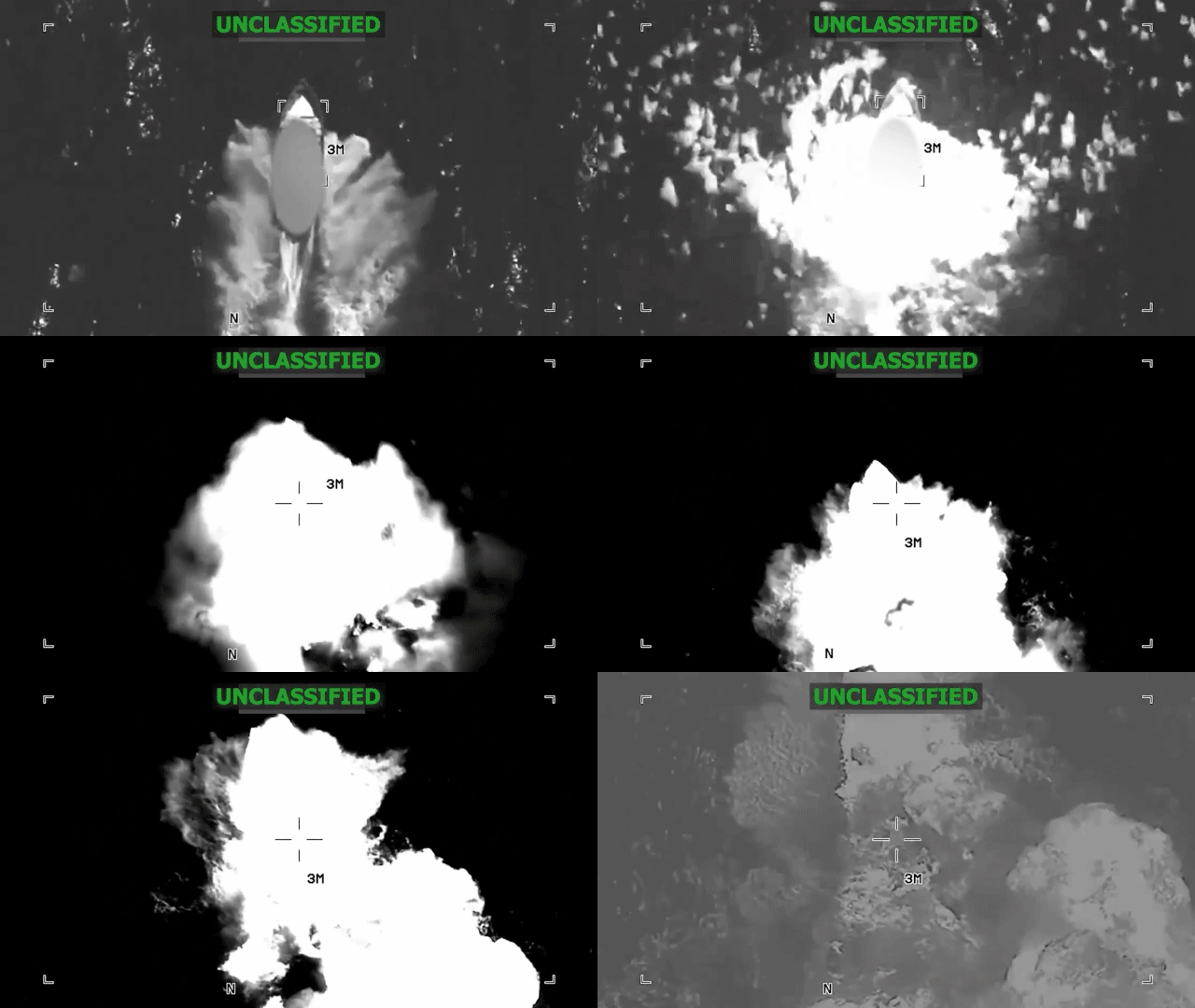
The recent seizure of over 20,000 pounds of cocaine by the Coast Guard cutter Munro represents more than a tactical victory; it underscores a strategic shift in U.S. maritime drug interdiction efforts. This operation, featuring the lethal precision of Helicopter Interdiction Tactical Squadron (HITRON) snipers disabling engine power on a narco-boat, is emblematic of an evolving, militarized approach to tackling drug trafficking networks that exploit maritime routes. Far beyond a headline about a dramatic capture, this story illustrates how technology, interagency cooperation, and political will intersect in the complex battle against drug cartels in the Eastern Pacific.
The Bigger Picture: Historical and Strategic Context
Drug trafficking via fast, small vessels—so-called 'go-fast boats'—is a longstanding problem disrupting U.S. national security and public health, especially along the Caribbean and Eastern Pacific corridors. Historically, interdiction relied on surface vessels physically apprehending smugglers, but the rapid speeds and evasive maneuvers of these boats often made interception difficult.
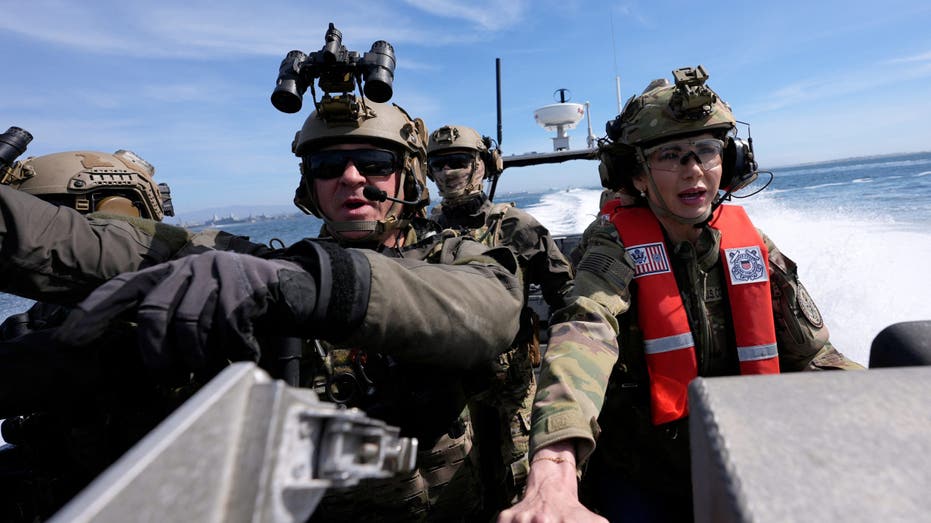
The Coast Guard’s Helicopter Interdiction Tactical Squadron, established in the mid-2000s and based in Jacksonville, Florida, introduced a game-changing capability—engaging vessels from the air to disable engines before boarding. HITRON’s sniper teams can meticulously take out boat engines at standoff ranges, rendering these vessels immobile and vulnerable to seizure. The combination of aerial precision and maritime maneuvering reflects lessons learned over decades of evolving drug interdiction tactics.
Operation Pacific Viper, initiated in August 2025, consolidates Coast Guard and Navy assets in a joint mission to aggressively reduce narcotics trafficking in the Eastern Pacific. The scale of drug flow in this region is staggering: U.S. Coast Guard data shows that as of October 2025, 100,000 pounds of cocaine had already been seized under this operation, an average of approximately 1,600 pounds daily. This is occurring amid a record fiscal year 2025 haul nearing 510,000 pounds, an unprecedented spike surpassing three times the service’s annual average.
What This Really Means: Implications Beyond the Seizure
The amount of cocaine intercepted—estimated to be enough for over 7.5 million lethal doses in a single mission—demonstrates the immense scale and destructiveness of the illicit drug trade. When placed in perspective, the Coast Guard’s record-breaking total for the fiscal year could theoretically have poisoned more than half the U.S. population if it reached American communities unchecked.
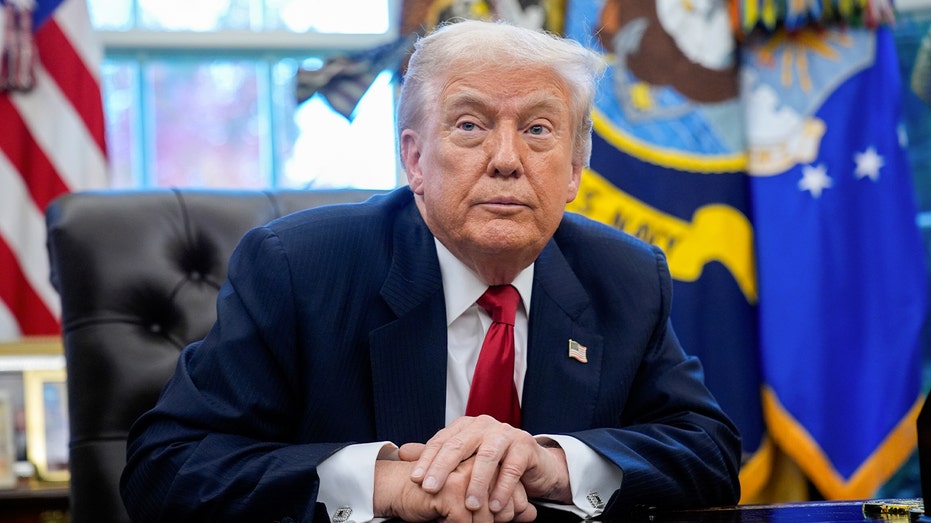
This escalation reflects a broader policy shift under the Trump administration, which designates major drug cartels as foreign terrorist organizations, thereby justifying the use of military force against them. The use of sniper teams and strike operations against drug vessels signals an increasingly militarized enforcement posture, blending traditional law enforcement with national security counterterrorism strategies.
However, this approach raises complex legal and ethical questions. Strikes against vessels, including reported multiple engagements with survivors in international waters, have prompted debate over the boundaries of presidential war powers and international maritime law. Congressional efforts, such as the war powers resolution introduced by Senators Schumer, Kaine, Schiff, and Paul, illustrate emerging friction between executive authority and legislative oversight.
Expert Perspectives: Insights from Security and Legal Authorities
Dr. Maria Valdez, a professor of International Maritime Security at Georgetown University, notes: "The incorporation of military tactics like sniper disabling fire and naval strike capability marks a new phase where drug interdiction is as much about national defense as traditional policing. But it also risks escalation and misunderstandings in contested maritime zones."
Captain James R. Miller (Ret.), former U.S. Coast Guard interdiction lead, provides operational insights: "HITRON’s aerial sniper teams give us a precision tool that reduces collateral damage and increases mission success rates. Disabling engines at range avoids dangerous high-speed pursuits and potential loss of life onboard these vessels."
Legal analyst Jessica Lin cautions: "While the administration claims authority to conduct strikes, international law requires careful balancing of sovereignty, proportionality, and the risk of civilian casualties. Congressional action reflects legitimate concern over the scope of these powers."
Data & Evidence: Quantifying the Drug Flow and Interdiction Efforts
- Fiscal year 2025 Coast Guard cocaine seizures approach 510,000 pounds, a historic high.
- Operation Pacific Viper accounts for roughly 100,000 pounds seized since August 2025.
- Average interdiction rate during Operation Pacific Viper: ~1,600 pounds per day.
- Estimated lethal doses in seized cocaine: 193 million annually — enough to impact over half the U.S. population.
- The increased interdiction reflects targeted deployment of HITRON sniper teams and expanded naval cooperation.
Looking Ahead: Future Implications and What to Watch
The Coast Guard’s escalating successes could pressure drug cartels to innovate new smuggling methods, potentially increasing the use of semi-submersibles, drones, or shifting to land-based trafficking—necessitating adaptive strategies from U.S. agencies.
Legal debates surrounding the use of military force in drug interdiction may influence Congressional legislation, curtail executive action, or affect international relations with Latin American countries. Close monitoring of how U.S. domestic law and treaties evolve will be critical.
Moreover, continued public scrutiny of the human impact—including the fate of suspected traffickers and potential innocent lives affected—will shape the legitimacy and sustainability of these interdiction tactics.
The Bottom Line
This remarkable Coast Guard mission captured on video, where a helicopter team’s sniper disables narco-boat engines, epitomizes a core trend in 21st-century drug interdiction: the fusion of precision tactics, military-grade technology, and vigorous interagency cooperation to combat an extraordinarily large and deadly drug trafficking enterprise. Yet, while the operational gains are undeniable, they unfold amid legal complexities, ethical concerns, and the adaptive challenges of a dynamic underworld economy.
Understanding the broader implications of Operation Pacific Viper is essential—not only for appreciating the tactical successes but for anticipating the evolving contest between national security priorities, international law, and the persistent scourge of narcotics appearing at U.S. borders.
Topics
Editor's Comments
This analysis sheds light on how the Coast Guard’s evolving tactics emerge at the intersection of law enforcement, military strategy, and international diplomacy. The precision sniper strikes on narco-boats are not merely about disabling engines; they represent a broader recalibration of U.S. drug interdiction policy into a quasi-military campaign. While operationally effective, these missions prompt vital questions about the expansion of military authority in peacetime drug enforcement and the long-term strategic consequences in Latin America. The dialogue between branches of government and international partners will likely intensify as these operations continue. Watching how cartels innovate in response will be equally important to understand the future arc of this conflict.
Like this article? Share it with your friends!
If you find this article interesting, feel free to share it with your friends!
Thank you for your support! Sharing is the greatest encouragement for us.