Europe’s Christmas Markets Under Siege: The Rising Security Costs and Societal Impact of Terror Threats

Sarah Johnson
December 6, 2025
Brief
An in-depth analysis of how increased terror threats are reshaping European Christmas markets through heightened security, financial strains, and broader social and political implications.
Why Heightened Security at European Christmas Markets Signals a Shift in Public Safety and Society
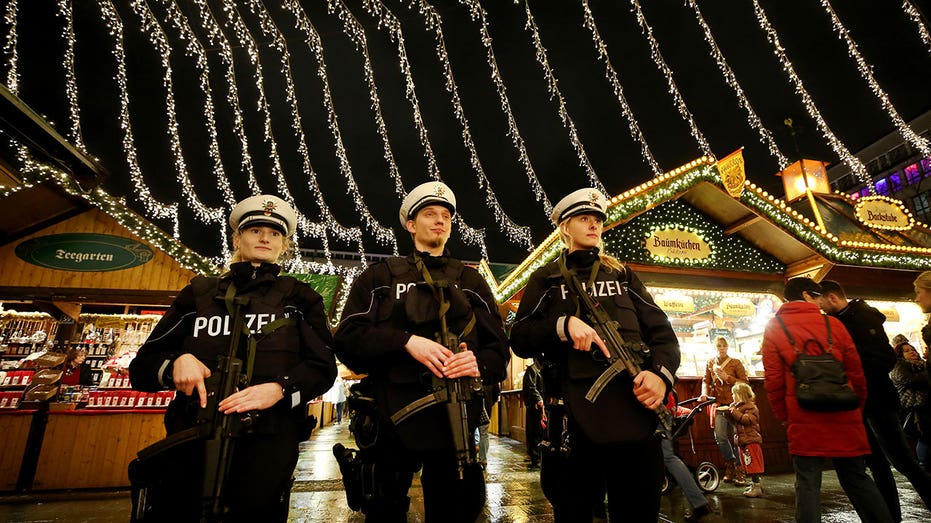
European Christmas markets, cherished cultural traditions dating back centuries, are facing an unprecedented transformation driven by escalating terror threats and concerns about public safety. This year's season opens with fortified security measures, concrete barriers, extensive surveillance, and increased private and public security personnel. While these enhanced precautions aim to protect visitors, they also expose deeper tensions between preserving cultural heritage and confronting growing security challenges in urban spaces.
The Legacy of European Christmas Markets and Their Vulnerabilities
Christmas markets originated in German-speaking Europe in the Late Middle Ages as festive gatherings centered on commerce, community, and celebration. Over time, these markets expanded across Europe, becoming major seasonal draws that represent not only economic vitality but also communal identity and intergenerational tradition. Historically, their open, accessible layouts and dense crowds have symbolized conviviality and public joy.
However, these very characteristics—large crowds in open, often historic public squares—also make Christmas markets attractive targets for terrorist attacks and mass violence. The Magdeburg incident in late 2024, when a vehicle attack killed six and injured hundreds, underscored how symbolic public spaces have become vulnerable. European authorities have responded by increasing security spending by 44% in just three years, a steep rise that reflects a growing consensus on the inadequacy of previous security frameworks.
Security Measures: Operational Shifts and Financial Implications
In Germany and France—two countries central to the Christmas market tradition—the operational landscape has undergone profound changes. Berlin's Gendarmenmarkt now operates behind concrete barriers paired with intensive video surveillance and a high ratio of private security staff. Other cities like Salzburg have implemented round-the-clock monitoring with dozens of cameras. Some smaller towns, unable to shoulder the financial burden of these extraordinary counterterrorism measures, have been forced to cancel their markets altogether.
This shift reflects broader challenges related to resource allocation and responsibility sharing. While local organizers have traditionally borne much of the financial and logistical weight, there are growing calls for federal governments to increase funding and assume responsibility for counterterrorism at public events. Critics argue this reflects a mismatch between local capacities and national security challenges.
Understanding the Broader Security and Social Context
The increased security presence at Christmas markets is emblematic of a wider European struggle to adapt public safety policies to evolving terror threats. Islamist militant activity targeting symbols of Western cultural and religious identity has steadily increased over the past decade. Attacks on Jewish festivals and Christian holidays alike attest to the strategic use of symbolic targets by radical groups to sow fear.
As Ben Cohen of the Foundation for Defense of Democracies highlights, "Christian and Jewish festivals are seen as soft targets by jihadists," necessitating serious vigilance. Moreover, the cancellation of major public events like the New Year’s Eve concert on Paris’s Champs-Élysées illustrates that no event—regardless of tradition or popularity—is immune from security reassessment.
Expert Perspectives on Security Strategy and Future Approaches
Alan Mendoza of the Henry Jackson Society critiques current European governmental responses as reactive rather than proactive. He argues that relying solely on increased on-the-ground security "just so people can safely celebrate a tradition" reflects a failure to address root causes of extremism. Mendoza advocates for an aggressive strategy including detention and deportation of radicalized individuals as necessary measures to reduce terror threats sustainably.
Conversely, some analysts emphasize balancing security with community cohesion to avoid alienation. Over-securitization risks transforming public spaces into zones of suspicion, potentially undermining social trust and the vibrant communal spirit that Christmas markets embody. Striking this balance remains a complex policy challenge.
Data and Trends Highlight the Scale of the Challenge
The 44% increase in security spending over three years in Germany alone illustrates a steep climb that parallels rising terror concerns. The Magdeburg attack’s casualty figures—six killed, over 300 injured—remain fresh memories driving policy changes. Economic impacts are also evident: some markets cancelations due to costs translate into lost tourism revenue estimated in the millions of euros annually, affecting local economies.
Moreover, intelligence operations such as the joint Mossad-European crackdown on Hamas networks indicate that European countries are increasing both domestic and international counterterrorism cooperation. This multi-layered approach—combining on-the-ground security with intelligence actions—reflects a recognition that contemporary terror threats are transnational and interconnected.
Looking Ahead: What to Watch in the Evolution of Public Event Security and European Society
As threat levels remain elevated, current security protocols at Christmas markets and winter festivals will likely become standard. This normalization raises questions about the long-term effects on European public culture and social life. Continued escalation could lead to further market cancellations, shrinking public spaces free from intrusive security infrastructure, and potential shifts in public attitudes toward multiculturalism and social integration.
In the political realm, frustration with perceived governmental inadequacies may fuel support for more hardline political parties promising decisive action on security and immigration. Such shifts could profoundly reshape European politics and society.
Emerging technologies such as AI-enhanced surveillance and automated threat detection may augment future security measures, but they also raise ethical concerns regarding privacy and civil liberties. Policymakers will need to navigate these complexities carefully.
The Bottom Line
European Christmas markets in 2025 represent more than seasonal celebrations; they have become barometers of contemporary security challenges, societal resilience, and the tensions inherent in balancing tradition with modern risks. The strengthened security measures are symptomatic of deeper questions about how Europe confronts terrorism, preserves cultural identity, and upholds societal values amid turbulent times.
This evolving landscape demands not only vigilance on the ground but also robust policy debates across federal, national, and local levels about resource responsibility, root cause strategies, and the societal costs of securitization. Ultimately, the future of Europe's cherished winter traditions depends on holistic approaches that integrate security with social cohesion and respect for civil liberties.
Topics
Editor's Comments
The transformation of European Christmas markets into high-security zones is emblematic of a broader societal reckoning with the realities of terrorism and public safety in the 21st century. While essential to protect lives, these measures also reflect a shift in how communities engage with public spaces and traditions. It raises important questions about preserving cultural identity in an era dominated by security concerns and the extent to which governments must balance openness with vigilance. Moreover, the financial pressures and potential cancellations in smaller towns highlight inequalities in security capabilities that could reshape regional cultural landscapes. This dynamic warrants sustained attention from policymakers and citizens alike, as the stakes extend beyond mere security to the resilience and character of European society itself.
Like this article? Share it with your friends!
If you find this article interesting, feel free to share it with your friends!
Thank you for your support! Sharing is the greatest encouragement for us.