Beyond the Quiet: Understanding the Complex Roots of the DC Pipe Bomber Case

Sarah Johnson
December 5, 2025
Brief
An in-depth analysis of the DC pipe bomber case reveals the complex intersections of domestic terrorism, mental health, and social isolation, highlighting challenges beyond traditional profiling.
Why the DC Pipe Bomber Case Reflects Deeper Societal Fault Lines
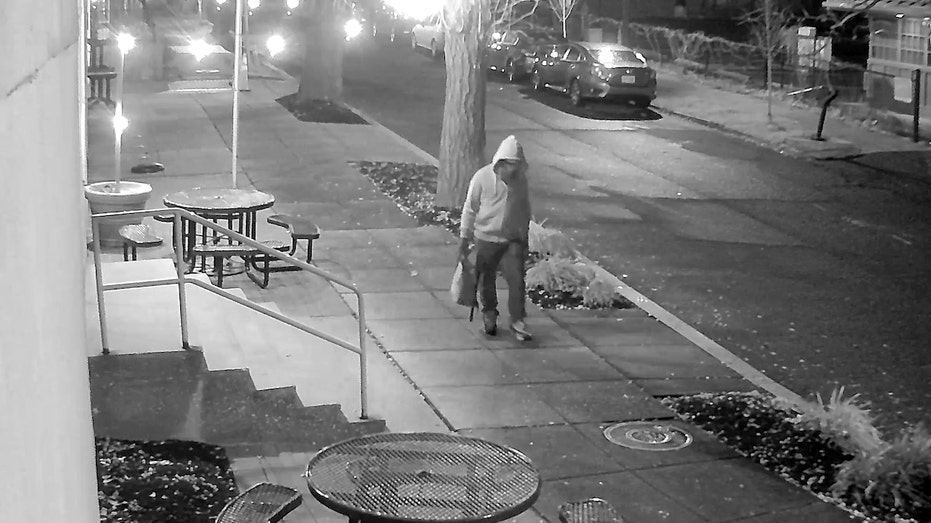
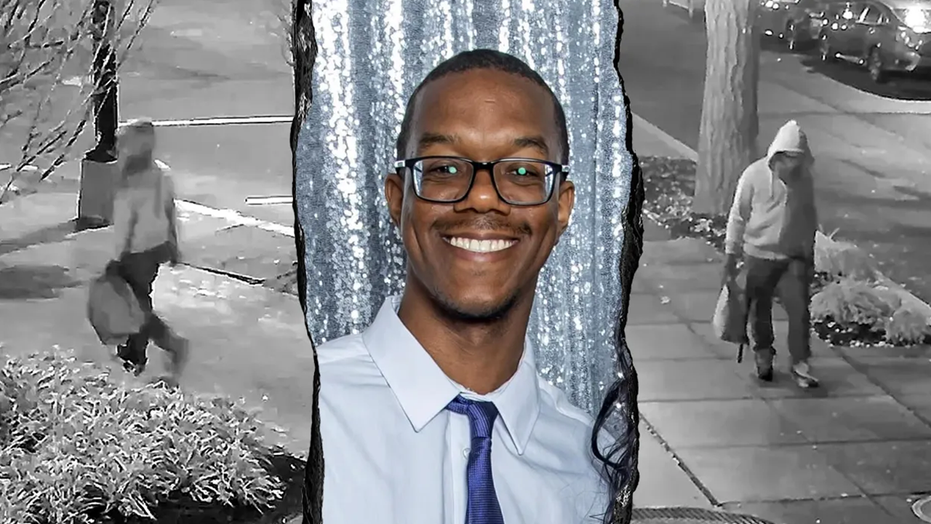
The recent revelations by US Attorney Jeanine Pirro about the personal life of the suspected Washington DC pipe bomber open a window into a troubling narrative that goes beyond isolated criminal acts. While early reports focus on the suspect’s “quiet” and “low-key” demeanor, a deeper dive reveals broader issues surrounding domestic extremism, mental health stigmatization, and societal polarization that are crucial to understanding not just who the suspect is, but why such cases are increasing nationwide.
The Bigger Picture: Domestic Terrorism in Historical Context
Historically, politically motivated bombings and domestic terror acts have marked profound moments of social unrest in the US — from the Weather Underground in the 1970s to more recent white supremacist and anti-government violent acts. The pipe bomber case shares commonalities with these past incidents: an individual operating under the radar, yet harboring radical views or grievances amplified in isolated or marginalized environments.
What sets today’s attacks apart is the digital-age ecosystem that enables rapid radicalization and the normalization of extremist ideologies. Social alienation combined with online echo chambers creates fertile grounds for violence — the split between the suspect’s reported quiet personal life and potentially violent motives underscores this juxtaposition.
What This Really Means: Radicalization, Identity, and the Limits of Profiling
Pirro’s description of the suspect as “quiet” challenges simplistic profiles of extremists, reminding us that violent actors do not always fit stereotypical molds of loud, visibly aggressive individuals. This has implications for law enforcement and community vigilance strategies, suggesting a shift toward nuanced behavioral assessments rather than reliance on outward signs alone.
Moreover, this case highlights the difficulty in anticipating violence when mental health issues, political grievances, and social isolation intersect. The suspect’s life, reportedly “low-key,” may conceal layers of alienation or radicalization that traditional policing or social services struggle to detect. There are also questions about institutional failures to identify warning signs, raising issues about resource allocation for preventative mental health interventions.
Expert Perspectives
Dr. Katherine Getmansky, Security Analyst and Scholar on Domestic Extremism: "The DC pipe bomber case exemplifies the evolving face of domestic terror. The lone actor, often overlooked in community settings, acts out a personal narrative shaped by broader ideological shifts. It's critical to blend intelligence gathering with community outreach to prevent such attacks early."
Professor James R. Melton, Criminal Justice Expert: "We must recalibrate threat assessment frameworks beyond demographic profiling. Many contemporaneous cases reveal perpetrators who appear socially withdrawn but are deeply embedded online. Law enforcement must partner with social scientists to understand these multifaceted risks."
Data & Evidence
According to studies by the FBI and the Department of Homeland Security, incidents of domestic terrorism have risen sharply post-2016, with pipe bombs and improvised explosive devices accounting for a significant share of attempted attacks.
For example, a 2024 DHS report noted that nearly 60% of disrupted plots involved individuals with minimal previous criminal records, similar to the “quiet” profile described by Pirro. This challenges traditional criminal profiling and illustrates growing risks from so-called 'lone wolf' actors.
Additionally, mental health data indicate rising rates of anxiety, depression, and social isolation across the US population, conditions correlated with heightened vulnerability to radicalization pathways, particularly in online extremist communities.
Looking Ahead
The case raises urgent questions for policymakers and community leaders: how to improve early detection without infringing civil liberties, how to strengthen social services that address underlying fragmentation, and how to build community resilience to disinformation and radicalization.
Technological advancements in social media monitoring, coupled with ethical partnerships between government agencies and mental health providers, may offer paths forward. However, there is also a risk of overreach or alienation if such initiatives are not transparently managed and community-rooted.
Furthermore, as political polarization continues to intensify, there is a danger that these violent acts will be co-opted by partisan narratives, detracting from a sober examination of root causes.
The Bottom Line
Beyond the immediate security concerns, the DC pipe bomber investigation serves as a prism into contemporary challenges around domestic terrorism, social cohesion, and mental health in America. Jeanine Pirro’s insights about the suspect’s personal life pierce through simplistic perceptions, urging a more holistic approach to understanding and preventing violence that goes beyond surface appearances.
Paying attention to these dynamics is essential not only for law enforcement strategy but for society as a whole to foster dialogue, community intervention, and policy measures that address the underlying frictions giving rise to such tragedies.
Topics
Editor's Comments
This investigation into the DC pipe bomber unearths a critical paradox: how individuals who appear socially unremarkable can harbor dangerous ideologies. It challenges societal assumptions about what domestic threats look like and demonstrates the urgent need for innovative approaches to prevention. Our institutions must reckon with how polarization and fragmented social support networks create silent incubators for violence. Moreover, there is a risk that politicizing such cases distracts from addressing systemic issues, including mental health access and the role of online platforms. This story should provoke debate on expanding the scope of public safety beyond immediate enforcement to include societal resilience and healing.
Like this article? Share it with your friends!
If you find this article interesting, feel free to share it with your friends!
Thank you for your support! Sharing is the greatest encouragement for us.