Unmasking Tren de Aragua: How Venezuela’s Infamous Gang Exploits Entertainment and Transnational Networks

Sarah Johnson
December 4, 2025
Brief
A deep dive into Tren de Aragua’s use of entertainment for laundering and influence, revealing evolving U.S. sanctions strategy and regional implications for crime, governance, and migration.
Why This Story Matters
The recent Treasury sanctions against Jimena Romina Araya Navarro—known as Rosita—illuminate the complex, often overlooked nexus between entertainment, organized crime, and geopolitical strategy in Latin America. Beyond the headlines about a model and DJ linked to Venezuela’s notorious Tren de Aragua gang, this story exposes how transnational criminal networks exploit cultural industries and porous borders to entrench their influence. It also reveals how U.S. policy tools are evolving to target these shadowy entanglements, with potential reverberations across regional security and migration dynamics.
The Bigger Picture: Tren de Aragua and Organized Crime in Latin America
Tren de Aragua (TdA) is not merely a criminal gang but rather a sprawling transnational syndicate originating in Venezuela’s Aragua state. It has expanded into Colombia, Chile, and even the United States, becoming one of the hemisphere’s most dangerous and diversified criminal organizations. TdA’s operations include drug trafficking, human smuggling, extortion, kidnapping, prison breaks, and violent enforcement tactics.
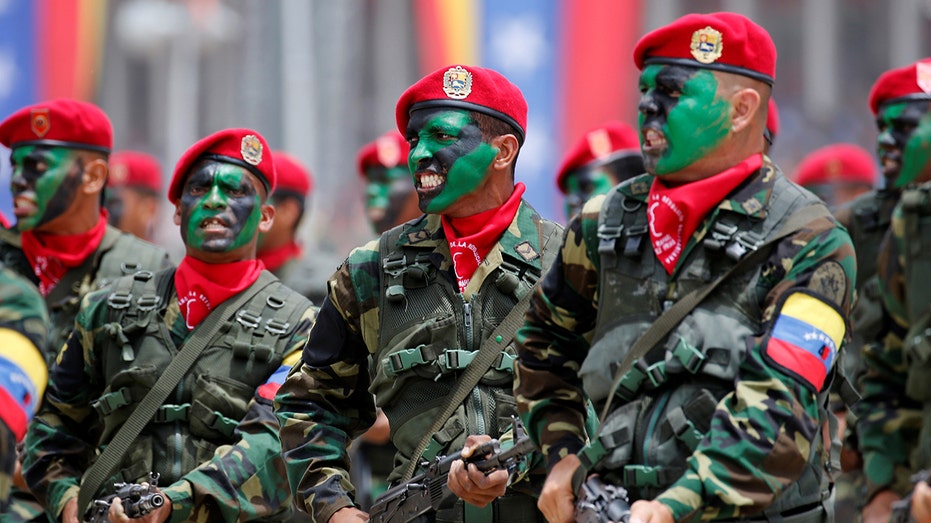
The group’s rise must be contextualized within Venezuela’s long-running socio-political and economic crises, which have eroded state authority and created vacuums exploited by armed groups. Since President Nicolás Maduro consolidated power, Venezuela has seen increasing militarization of organized crime, with some irregular alliances reported between regime elements and gangs like TdA. Their operations are also facilitated by weak rule of law in border regions, rampant corruption, and regional migration pressures.
What This Really Means: Entertainment as a Criminal Front and Financial Vector
Navarro’s dual career as an entertainer and money launderer for TdA spotlights a sophisticated criminal strategy rarely emphasized in mainstream coverage. Using legitimate cultural venues—nightclubs in Bogotá and entertainment companies—as fronts, TdA launders illicit proceeds while cultivating a veneer of social legitimacy and public popularity. The case exemplifies how entertainment can serve as a gateway for gang penetration into urban economies and youth cultures, complicating law enforcement efforts.
The fact that concerts and nightlife events generate revenue that feeds into the gang’s coffers reveals an intricate logistical and financial network that spans countries and sectors. This diversification shields criminal income streams and blurs the lines between licit and illicit economies, making sanctions and prosecutions more challenging.
Moreover, Navarro’s role in facilitating a high-profile prison escape in 2012 underscores how gangs exert influence both inside and outside formal institutions, leveraging political instability and operational daring.
Expert Perspectives
Dr. Maria Fernanda Aguirre, Latin America Security Analyst, Global Policy Institute: "The Tren de Aragua’s ability to embed itself into legitimate industries is a hallmark of successful transnational organized crime. This case highlights how cultural economies can become shadows of money laundering and influence peddling. U.S. sanctions targeting entertainers connected to such groups represent a strategic shift towards disrupting these adaptive methodologies."
Professor James Winfield, Criminology, University of Miami: "TdA’s links to migration pathways are critical. Intelligence suggests complicity of some Venezuelan officials in facilitating TdA’s cross-border movement, meaning crime and governance are deeply intertwined. This complicates humanitarian aid and immigration policies in the region."
Data & Evidence
- Tren de Aragua is estimated to control segments of the illicit drug trade worth hundreds of millions of dollars annually.
- According to Colombian authorities, concert and nightclub revenues linked to TdA events in Bogotá form a significant portion of their money laundering operations.
- U.S. designation of TdA as a Foreign Terrorist Organization in early 2025 represents a rare instance of law enforcement framing organized crime as terrorism, providing enhanced tools for sanctions and prosecution.
- Reports from the National Intelligence Council (April 2025) indicate some Venezuelan government elements aided TdA migration into the U.S., complicating diplomatic relations and migration control efforts.
Looking Ahead: Broader Regional and Policy Implications
The Treasury sanctions signal a growing U.S. emphasis on cutting off global financial access for criminal networks embedded within popular culture and entertainment. This multifaceted approach aligns with broader Trump-era geopolitical pressure aimed at Maduro’s regime and transnational crime groups.
Regionally, the expansion of TdA into countries like Chile and Colombia indicates a diffusion of violence and criminal governance beyond Venezuela’s borders, threatening urban public safety and destabilizing governance. Countries need enhanced cross-border cooperation to dismantle these networks.
U.S. efforts to deport TdA members residing stateside highlight a controversial aspect: balancing national security and human rights concerns amid complex migratory flows intertwined with organized crime.
Looking forward, investigators and policymakers should watch for increased criminal infiltration into emerging sectors—digital entertainment, online money laundering, and social media influence platforms—given TdA’s demonstrated adaptability.
The Bottom Line
The sanctioning of Rosita Navarro is more than a symbolic crackdown; it reveals the sophisticated, deeply embedded nature of criminal enterprises like Tren de Aragua. By exploiting entertainment and cultural connections, these gangs evade conventional law enforcement and embed themselves in communities. U.S. policy responses that integrate sanctions, immigration enforcement, and regional cooperation will be crucial to contain these networks. However, sustained efforts require addressing broader governance and economic conditions that allow such criminal ecosystems to flourish.
Topics
Editor's Comments
This case underscores the blurred lines between legitimate cultural influence and criminal enterprise in a destabilized region. It challenges conventional narratives by showing how organized crime leverages popular culture to embed itself economically and socially. Importantly, it also signals an expanding toolkit for U.S. enforcement that moves beyond classic law enforcement tactics into the realm of financial and cultural warfare. Yet, policymakers must balance enforcement with deeper engagement addressing the root conditions—governance failures, corruption, and economic deprivation—that allow gangs like Tren de Aragua to thrive and morph. The involvement of entertainment figures also complicates public perceptions, potentially glamorizing criminality while exposing vulnerable industries to exploitation. Future efforts will require innovative public-private partnerships, regional collaboration, and nuanced strategies that combine hard security with social resilience.
Like this article? Share it with your friends!
If you find this article interesting, feel free to share it with your friends!
Thank you for your support! Sharing is the greatest encouragement for us.