Capitol Hill Revolt Exposes Fragility in Trump’s Venezuela Military Strategy

Sarah Johnson
December 6, 2025
Brief
An in-depth analysis of Capitol Hill's pushback against Trump's military strikes in the Caribbean reveals legal challenges, geopolitical stakes, and evolving U.S. strategies amid Venezuela's ongoing crisis.
Why Capitol Hill's Revolt Threatens Trump's Venezuelan Strategy
The recent wave of congressional pushback against military actions in the Caribbean signals a pivotal challenge to the Trump administration's evolving Venezuela policy. Far from mere bureaucratic infighting, this Capitol Hill revolt highlights deeper tensions over executive authority, the scope of U.S. interventionism, and the complex geopolitics surrounding Venezuela’s crisis. Understanding these dynamics sheds light not only on Trump's foreign policy trajectory but also on the shifting balance of power between the legislative and executive branches in shaping America's regional security strategy.
The Bigger Picture: Historical Roots of U.S. Engagement in Venezuela and the Caribbean
U.S. policy toward Venezuela has long been defined by oscillation between engagement and containment. Since the late 20th century, Venezuela's political and economic upheavals—underpinned by Hugo Chávez’s Bolivarian revolution and successor Nicolás Maduro’s contested regime—have drawn Washington's focus due to regional instability, energy interests, and migration flows. The Trump administration intensified confrontational measures, including sanctions and military posturing, aiming to undercut Maduro’s grip.
Meanwhile, U.S. military operations in the Caribbean have a decades-old lineage tied to counter-narcotics missions, migration control, and power projection. Historically, Congress has maintained constitutional authority to declare war and oversee military engagements, but recent decades saw expanding executive action in kinetic operations without full legislative approval. The current crisis over strikes targeting drug trafficking amidst Venezuela-related unrest recalls longstanding debates on checks and balances in war powers.
What This Really Means: Legal, Political, and Strategic Implications
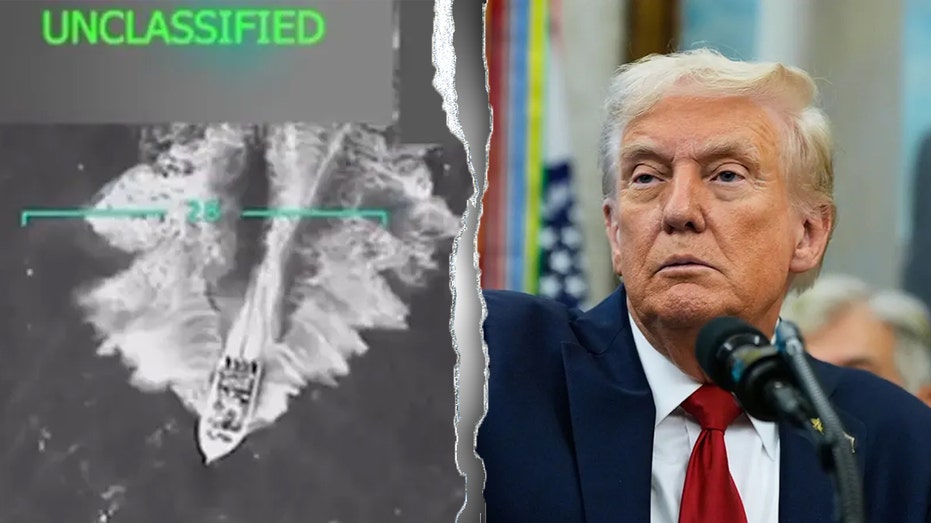
The September 2nd strike killing alleged drug smugglers in the Caribbean, following an earlier related operation, catalyzed congressional outrage not only for its tactical details but for its legal ambiguity. Lawmakers’ calls for video transparency and restrictions on military funds reflect deep unease about bypassing congressional war powers and the risk of unintended escalation near Venezuela — a nation already a geopolitical flashpoint involving Russia, China, and regional actors.
This revolt is emblematic of a broader political recalibration. Democrats, skeptical of unilateral military actions, seek to reassert legislative prerogatives. Some Republicans, wrestling with the domestic political optics of Trump’s foreign adventurism, also appear wary of unchecked strikes. Congress's move to re-examine the constitutional boundaries of executive war making is as much about institutional authority as it is about prudent foreign policy stewardship.
Expert Perspectives
Foreign policy scholar Dr. Marina Hansen of Georgetown University notes, "The increasing congressional scrutiny signals a critical moment of democratic oversight in U.S. foreign interventions. It underscores how military operations near Venezuela are not isolated acts but entangled with global power rivalries and domestic political calculations."
Meanwhile, retired Admiral James Willis, a former head of U.S. Southern Command, warns, "While confronting drug trafficking is vital, operations lacking clear legal mandates risk undermining U.S. credibility and provoking wider conflict in a highly volatile region." He advocates for stronger coordination between Congress and the Executive to ensure strategic clarity.
Legal analyst Prof. Samuel Ortega highlights the constitutional stakes: "This Capitol Hill pushback reflects significant concerns about the war powers clause, especially as the administration expands strikes that verge on full-scale military engagements without congressional authorization."
Data and Evidence: Trends Driving the Conflict
Recent data reveals a surge in mass migration from the Caribbean region, driven by Venezuela’s protracted economic collapse—UN agencies estimate over 7 million Venezuelans have fled since 2015. This migration wave is now a central concern cited by the administration as reshaping national security priorities away from terrorism toward border and migration control.
Simultaneously, the Caribbean corridor remains a major drug trafficking route into the U.S., with the DEA reporting steady increases in cocaine shipments via maritime routes in 2025. These intersecting crises place pressure on the Trump administration to adopt robust, rapid-response tactics, including military strikes—fuelling congressional unease over their scope and oversight.
Looking Ahead: What to Watch in U.S.-Caribbean Policy and Congress-White House Relations
The unfolding legislative push to restrict funding and demand transparency may shape more cautious U.S. policy toward Venezuela and the wider Caribbean. We can expect intensified debates over war powers legislation, potentially leading to new statutory limits on executive military authority. This tension will test the durability of Trump’s foreign policy playbook amid ongoing domestic and international challenges.
Moreover, emerging geopolitical rivalries—particularly with China deepening ties in the region—may compel the U.S. to recalibrate its balance between hard power strikes and diplomatic engagement. Congressional insistence on legality and oversight could promote a more multilateral, measured approach or, conversely, slow down urgent operations, complicating on-the-ground realities.
The Bottom Line
The Capitol Hill revolt against Trump’s military strikes in the Caribbean is not just a procedural dispute over legislative-executive boundaries but a reflection of fundamental questions about America's role in Venezuela’s crisis, the limits of presidential war powers, and the changing nature of U.S. national security threats. Understanding these developments is crucial to anticipating future U.S. strategies in Latin America and the evolving dynamics of congressional oversight in an era of complex international challenges.
Topics
Editor's Comments
This congressional revolt underscores a critical juncture in how America’s foreign military actions are governed. At a time when global challenges demand nimble and decisive responses, the friction between executive ambition and legislative oversight threatens to complicate the U.S.’ ability to act effectively. Yet this tension also safeguards democratic accountability and the constitutional mandate that war decisions must not be unilateral. Observers should watch closely whether this clash leads to meaningful reform in war powers or merely deepens partisan gridlock, leaving U.S. strategy in Venezuela and the Caribbean in uncertain waters.
Like this article? Share it with your friends!
If you find this article interesting, feel free to share it with your friends!
Thank you for your support! Sharing is the greatest encouragement for us.