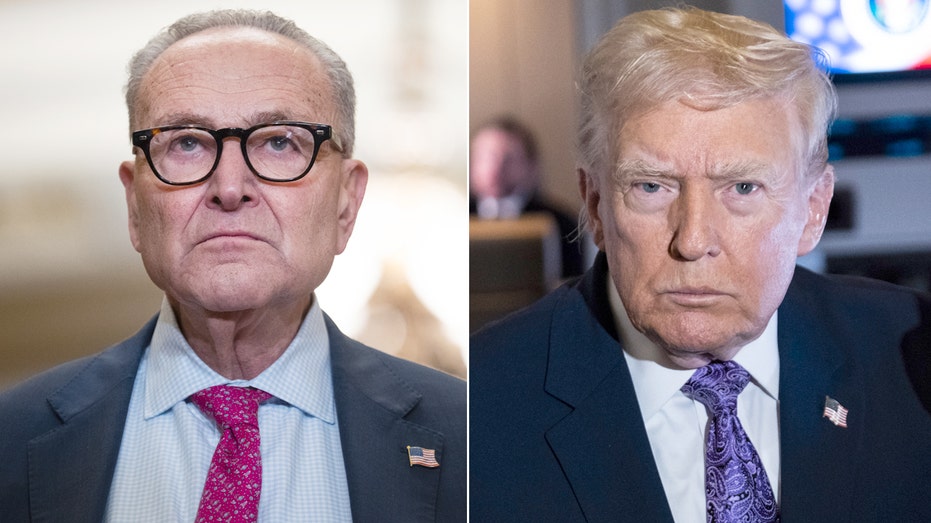
Senate Bipartisan Effort to Block Trump’s Military Action in Venezuela: Constitutional Limits and Regional Risks

Sarah Johnson
December 3, 2025
Brief
An in-depth analysis of bipartisan Senate efforts to block Trump’s potential military action in Venezuela, highlighting constitutional war powers, regional stability, and implications for U.S.-Latin America relations.
Opening Analysis
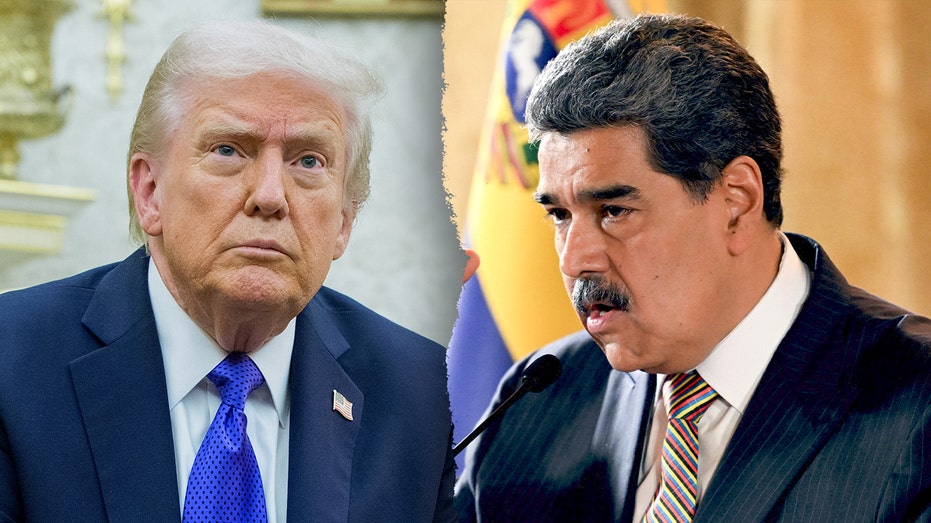
The recent pronouncements by Senate Minority Leader Chuck Schumer, alongside Senators Tim Kaine, Rand Paul, and Adam Schiff, to seek legislative blockage of any U.S. military strikes on Venezuela signal a critical flashpoint in American foreign policy and congressional-executive relations. This episode highlights deep concerns about unilateral presidential war powers, especially amid escalating tensions with Caracas under President Trump's administration. The bipartisan nature of this opposition underscores growing mistrust towards military escalation in Latin America and reveals fundamental debates about America's role abroad, the limits of executive authority, and the potential consequences of intervention.
The Bigger Picture
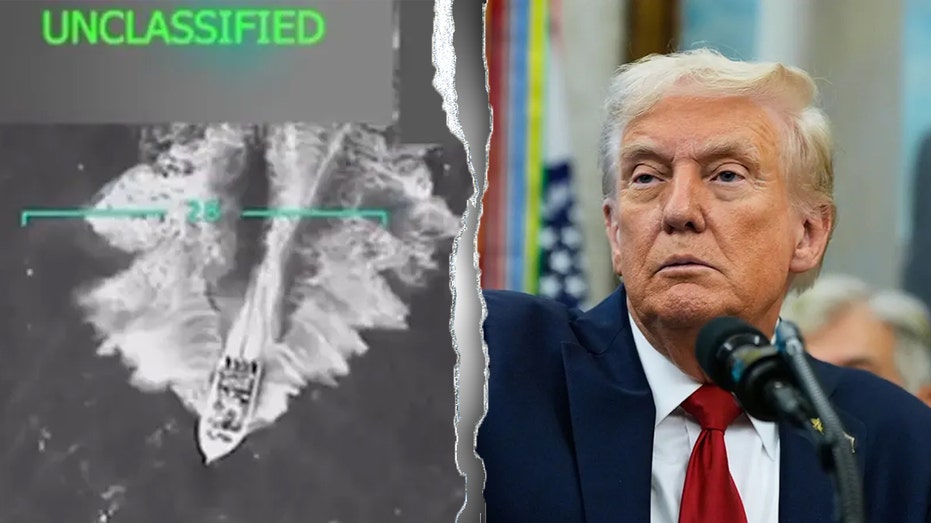
U.S.-Venezuela relations have been fraught for decades, with heightened tensions following the 2013 election of Nicolás Maduro and the country’s ensuing political and humanitarian crises. Historically, U.S. administrations, regardless of party, have vacillated between sanctions, diplomatic pressure, and covert operations in Venezuela, viewing the Maduro regime as an authoritarian threat that destabilizes the region and undermines democracy. The Trump administration’s aggressive rhetoric and threats of military action, including the suggestion of closing Venezuelan airspace and targeting narco-terror operations allegedly linked to the regime, are the latest, and arguably most serious, escalations.
However, the U.S. Constitution and recent precedents place limits on presidential war-making powers. The War Powers Act of 1973, enacted after the Vietnam War quagmire, requires congressional authorization for military engagements beyond a limited timeframe, a principle that Senators Schumer, Kaine, Paul, and Schiff seek to reinforce through a war powers resolution. This move reveals the ongoing tension between the executive branch's desire for strategic agility and Congress's prerogative to check potential overreach.
What This Really Means
At its core, this political confrontation raises fundamental questions about the legality, efficacy, and morality of possible U.S. military intervention in Venezuela—a country rife with complex domestic turmoil, including political repression, economic collapse, and migration crises. Advocates for congressional intervention stress that an unauthorized strike risks triggering a protracted conflict, regional destabilization, and humanitarian disaster without a clear exit strategy or measurable benefits.
Moreover, this bipartisan resistance to war illustrates a broader skepticism among some policymakers about the efficacy of military solutions in Latin America, where historical precedents—from interventions in Cuba and Nicaragua to the more recent involvement in Colombia—have often had complicated and sometimes damaging outcomes for U.S. strategic interests and regional stability.
On the other hand, the Trump administration's framing of strikes as anti-narcotics operations touches on legitimate concerns about the role of Venezuela as a transit point for illicit drugs, which have severe public health and security implications in the U.S. The administration’s narrative resonates with calls to disrupt narco-terrorism networks and drug trafficking routes as part of a broader regional security strategy.
The underlying motivations thus represent a collision of strategic priorities: the Trump administration’s hawkish approach to regime change and counter-narcotics versus Congressional fears of unauthorized military engagement and the political fallout of perceived overreach.
Expert Perspectives
Dr. Cynthia Arnson, director of the Latin America Program at the Wilson Center, states, "The crisis in Venezuela requires nuanced diplomacy more than military intervention. Abrupt strikes risk exacerbating humanitarian suffering and alienating key regional partners."
Professor Michael O'Hanlon of the Brookings Institution emphasizes, "While the threat of narco-terrorism is real, military actions must be tightly calibrated within constitutional limits to avoid unintended consequences that could undermine U.S. interests in the hemisphere."
Legal scholar John Yoo
Data & Evidence
- Since 2015, Venezuela has experienced a GDP contraction exceeding 75%, alongside hyperinflation surpassing 1,000,000%, driving millions to migrate, creating one of the largest displacement crises in the Western Hemisphere.
- The U.S. Drug Enforcement Administration (DEA) estimates Venezuela remains a key transit hub for cocaine shipments, contributing to thousands of overdose deaths annually in the U.S., underpinning the administration’s anti-narcotics rationale.
- Historical data shows U.S. military interventions in Latin America during the 20th century often resulted in long-term instability, such as the civil wars in Central America during the 1980s, which had a protracted human toll and mixed political outcomes.
Looking Ahead
The Senate’s push to pass a war powers resolution will test the limits of bipartisan cooperation and congressional resolve amid ongoing tensions with Venezuela. If successful, it could serve as a precedent reinforcing Congress’s role in authorizing military action and curbing executive overreach, especially relevant as the U.S. grapples with new security challenges globally.
Simultaneously, the Trump administration’s threat of expanding military operations under the guise of counter-narcotics will remain a flashpoint, potentially complicating relations with Latin American allies wary of U.S. interventions and concerned about sovereignty violations.
Internationally, escalating rhetoric and possible actions against Venezuela could incentivize closer ties between Caracas and U.S. geopolitical rivals, such as Russia and China, exacerbating global strategic rivalries.
The Bottom Line
The debate over U.S. military action in Venezuela is more than a policy dispute; it encapsulates critical issues about constitutional governance, Latin American stability, the limits of executive power, and the consequences of unilateral military interventions. The bipartisan Senate effort to restrict strikes signals a cautious, restrained approach reflecting public wariness of new conflicts and a desire to prioritize legislative oversight and diplomacy over military confrontation.
Topics
Editor's Comments
This developing confrontation between the executive branch and Congress over Venezuela is emblematic of a broader struggle about America’s future direction in foreign policy. Beyond legalities, it forces a reckoning with whether the U.S. should continue its historical pattern of military interventions in Latin America or pivot toward sustained diplomatic and multilateral solutions. Moreover, this bipartisan stance in the Senate may signal a renewal of congressional authority in war decisions long eroded by decades of precedent. Readers should watch closely how this dispute evolves, as it has profound implications not only for Venezuela but for the constitutional balance of power and U.S. credibility in the hemisphere.
Like this article? Share it with your friends!
If you find this article interesting, feel free to share it with your friends!
Thank you for your support! Sharing is the greatest encouragement for us.