Capitol Hill Revolt Redefines U.S. Military Strategy in Venezuela and Caribbean Drug War

Sarah Johnson
December 5, 2025
Brief
An in-depth analysis of Capitol Hill’s pushback on Trump’s Venezuela strikes, exploring legal challenges, historical context, expert insights, and the future of U.S. military strategy in the Caribbean.
Why Congressional Pushback on Trump’s Venezuela Military Strikes Matters
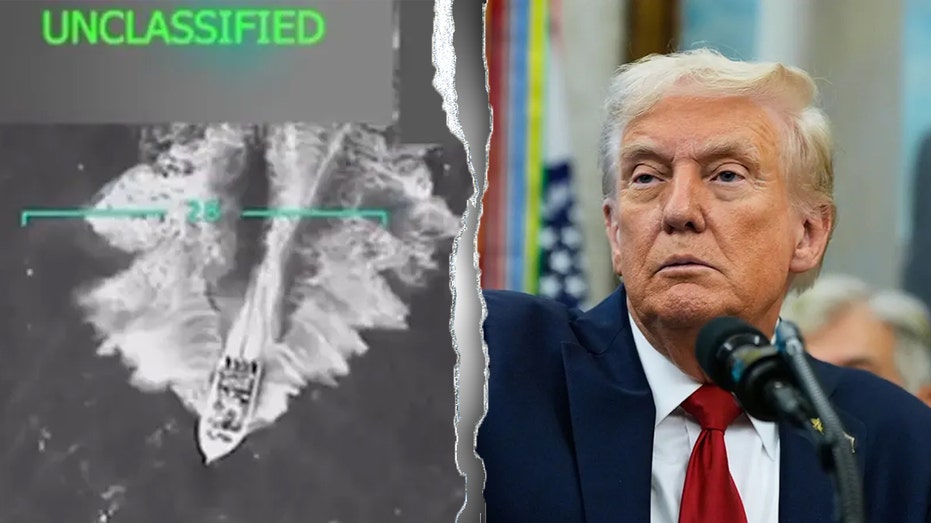
The recent Capitol Hill revolt against the Trump administration’s military strikes targeting alleged drug smuggling near Venezuela marks a significant moment in U.S. foreign policy oversight. This challenge not only questions the legal and ethical groundwork of the administration's expansive use of force in the Caribbean but also signals a reassertion of congressional authority over military engagements. The controversy arises amid revelations of a second deadly strike after survivors remained from the first, raising profound questions about executive overreach, military accountability, and the strategic objectives enveloping the administration’s anti-narcotics efforts.
The Bigger Picture: Historical Context of U.S. Military Actions in Latin America
U.S. military involvement in Latin America has a long, complex history characterized by interventions justified by counter-narcotics, anti-communism, or regime change goals. From covert CIA operations during the Cold War to more overt military actions, the U.S. often invoked national security or humanitarian rationales to justify interventions that frequently sparked local instability and long-term distrust.
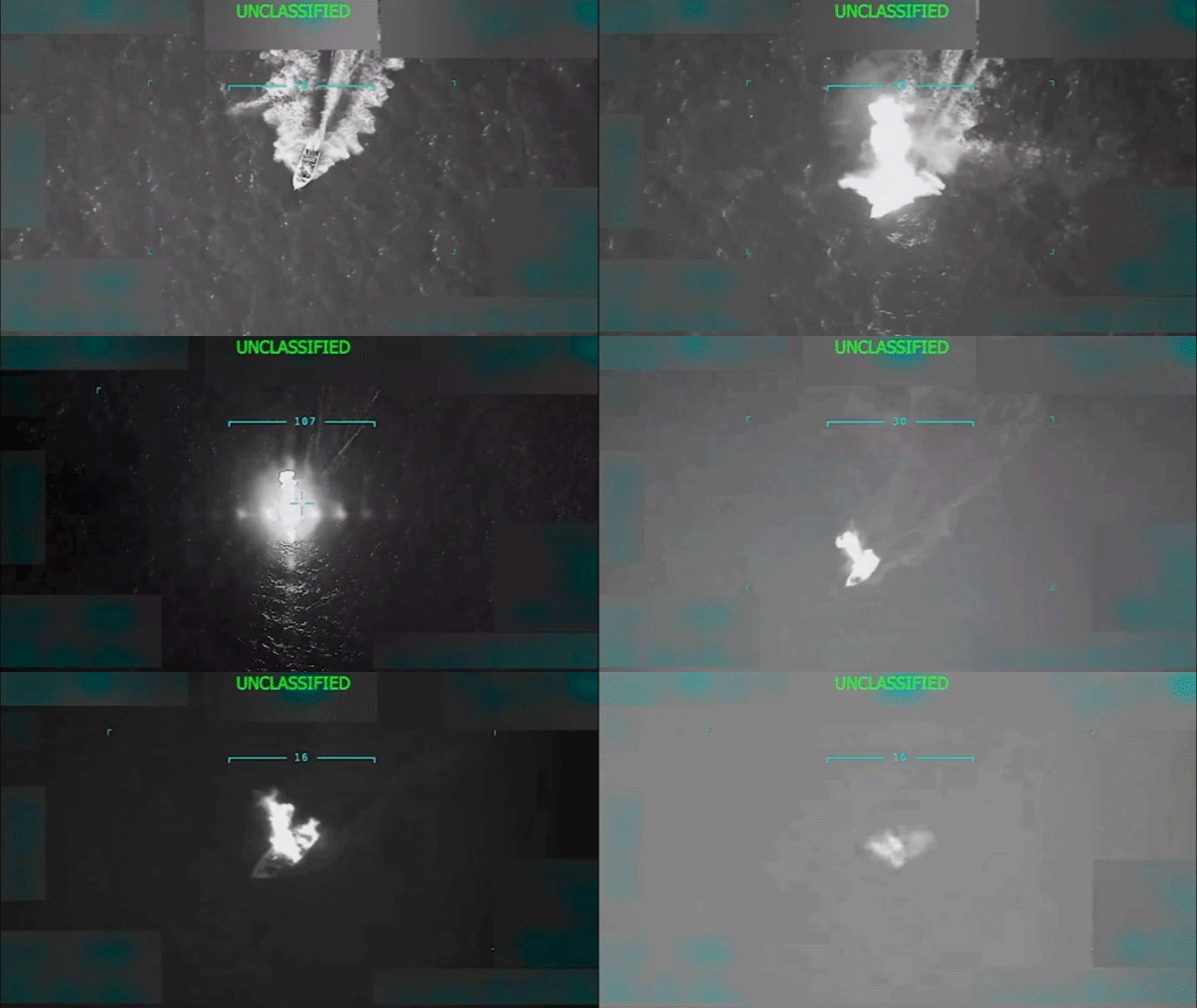
The Trump administration’s strikes in Caribbean waters represent the latest evolution of this pattern but on an arguably unprecedented scale. Deploying the USS Gerald R. Ford carrier strike group and conducting over 20 naval interdiction strikes in a compressed timeframe marks a militarization of the drug war that surpasses prior administrations’ efforts. It also echoes previous episodes where executive actions pushed boundaries, such as the Obama-era drone campaigns that later faced Congressional critique. This legacy frames the ongoing debates about the legality and oversight of current strikes.
What This Really Means: Legal and Strategic Implications
The core of Congressional concern revolves around the War Powers Resolution and constitutional prerogatives in authorizing military force. The reported "double-tap" strikes—targeting survivors of an initial U.S. military operation—have intensified scrutiny, as many lawmakers question whether such actions violate both domestic and international legal norms. The delayed acknowledgment of a second strike on September 2 and debates around authorization expose the tension between executive intent and legislative oversight.
Lawmaker efforts to introduce legislation, such as the Prohibiting Unauthorized Military Action in Venezuela Act of 2025, represent a strategic check to constrain unilateral executive action. These measures seek to require explicit Congressional approval before further operations, signaling anxiety over mission creep and potential escalation into broader armed conflict. Moreover, bipartisan voices emphasize the real human costs and geopolitical risks—such as prolonged instability fostering migration crises and fracturing Venezuela further.
Strategically, experts suggest these Congressional pressures will likely cause the administration to recalibrate tactics. Predictions include a pivot toward less conspicuous approaches, more emphasis on international cooperation, or efforts to secure an Authorization for Use of Military Force (AUMF) to legitimize operations under a defined legal umbrella. Such an AUMF could attempt to frame strikes as necessary deterrence against imminent threats, reshaping U.S. anti-drug and regional security policies to align with Congressional expectations.
Expert Perspectives on Oversight and Military Strategy
Geoff Ramsey of the Atlantic Council underscores the likelihood that stronger oversight will reduce the chances of land-based incursions in Venezuela absent a clearer executive justification. He notes, "Increased Congressional oversight will make military action inside Venezuela less likely, unless the White House presents a clearer case for it." This view reflects concerns that high-profile battlefield escalations without legislative support risk eroding political capital and international legitimacy.
Katherine Thompson of the Cato Institute highlights that while the administration maintains firm commitment to border security and drug interdiction, the "pain" of increased scrutiny will encourage tactical shift rather than complete withdrawal. According to Thompson, political tools such as funding restrictions and delayed appointments act as leverage to enforce this recalibration.
Senator Jack Reed’s demand for full transparency and release of strike footage exemplifies the call for accountability to ensure military operations align with ethical and legal standards. Reed warns that without proper oversight, "we run the risk of stumbling into unnecessary wars with incomplete information."
Data and Evidence: Scale and Consequences of the Strikes
The Trump administration has authorized at least 21 naval strikes near Venezuela since September 2025 targeting alleged narcoterrorists, evidence of a significant and sustained militarized campaign against drug trafficking routes. The deployment of the USS Gerald R. Ford highlights Washington’s commitment to deploying formidable naval assets to deter drug flow throughout the Caribbean.
Data on drug interdiction is limited publicly, but experts note the strategic importance of narcotics routes through maritime channels and the rising sophistication of traffickers. Yet, the consequential loss of life during extrajudicial strikes raises moral questions alongside operational successes, underscoring why lawmaker skepticism deepened following revelations about multiple strikes on the same vessel.
Looking Ahead: What to Watch in U.S.-Venezuela Relations and Capitol Hill Dynamics
The evolving situation in the Caribbean and the pushback from Capitol Hill herald several upcoming developments to monitor closely:
- Congressional Action: Whether the Prohibiting Unauthorized Military Action in Venezuela Act or War Powers Resolutions will gain enough support to curtail executive authority remains uncertain but will be critical in shaping military policy.
- Legal and Ethical Oversight: Calls for transparency, including release of strike videos and executive orders, will test the administration’s willingness to balance secrecy and accountability.
- Strategic Military Adjustments: Expected tactical shifts may involve more covert operations, coalition-building with regional actors, or requests for formal AUMF backing.
- Venezuela Political Dynamics: The pressure on Nicolás Maduro could intensify, but there is risk that escalations provoke deeper regional instability, impacting migration, humanitarian concerns, and U.S. diplomatic standing.
The Bottom Line
The Capitol Hill revolt against the Trump administration’s military strikes in the Caribbean reflects a crucial turning point in the balance of U.S. national security decision-making. It underlines Congress’s revival of its constitutional prerogative to limit unchecked executive military actions and compels a rethink of the current administration’s Venezuela approach from aggressive disruption to nuanced strategy. For policymakers, the challenge remains to fight illicit drug trafficking while ensuring military actions abide by legal standards and democratic oversight to prevent long-term regional destabilization.
Topics
Editor's Comments
This developing dynamic between the executive and legislative branches over Venezuela strikes reflects a broader tension in American democracy: how to balance swift, decisive security measures with constitutional checks and transparency. Historically, the U.S. has wrestled with this balance, sometimes leaning too heavily on executive power, which can undermine long-term strategic credibility. This episode raises critical questions about the precedent set by bypassing Congress in military actions and how such actions may affect international norms and regional stability. It also spotlights the human costs associated with rapid strikes absent clear rules of engagement, underscoring the need for a more sustainable, legally grounded approach to drug interdiction and foreign policy. Moving forward, the administration’s response to congressional oversight efforts will be a bellwether for executive-legislative relations in national security and for the broader shape of U.S. engagement in Latin America.
Like this article? Share it with your friends!
If you find this article interesting, feel free to share it with your friends!
Thank you for your support! Sharing is the greatest encouragement for us.