Why the Life Sentence of Haitian Gang Leader Joly Germine Is a Turning Point in Combating International Kidnapping

Sarah Johnson
December 4, 2025
Brief
This analysis examines the sentencing of Haitian gang leader Joly Germine, contextualizing it within Haiti's political instability, gang economics, and the broader implications for U.S. policy on transnational crime and security.
Why the Sentencing of Haitian Gang Leader Joly Germine Marks a Crucial Moment in Combatting International Kidnapping and Organized Crime
The recent life sentence handed down to Joly Germine, leader of the Haitian gang 400 Mawozo, for orchestrating the 2021 kidnapping of 16 American missionaries is more than just a legal milestone; it represents an escalation in global efforts to confront transnational criminal networks exploiting fragile states. This case brings into sharp relief the confluence of political instability, weak governance, and economic desperation that enables such brutality to flourish. Beyond the dramatic headlines, understanding the historical conditions and strategic implications is essential to grasping why this sentencing resonates far beyond Haiti’s borders.
The Bigger Picture: Historical Roots of Haitian Gang Violence
Haiti’s long history of political turmoil, corruption, and economic hardship provides a critical backdrop for understanding the rise of gangs like 400 Mawozo. Decades of fragile state institutions coupled with successive government failures have created power vacuums that organized crime groups have exploited. Post-2010 earthquake devastation compounded social dislocation, fueling recruitment into gangs motivated both by ideology and survival. The gang’s control over Croix-des-Bouquets and surrounding areas showcase how such groups entwine themselves into local communities to maintain influence.
400 Mawozo, in particular, has grown not just through violence but via strategic economic ventures—ranging from drug trafficking and gun smuggling to extortion and ransom schemes targeting foreigners. The targeting of American missionaries—typically seen as benevolent actors—was a calculated move, reflecting the gang’s recognition of geopolitical leverage created by kidnapping U.S. citizens.
What This Really Means: Criminal Networks Exploiting State Weakness for Leverage
The Germine case exposes how Haitian gangs have evolved sophisticated operational capabilities, including the use of unmonitored cellphones inside prisons to maintain command and coordination. It challenges prior assumptions that incarceration effectively breaks gang leadership. Instead, it reveals systemic vulnerabilities within Haiti’s penal system and highlights how familial ties bolster organizational resilience; Germine’s relatives were reported co-leaders.
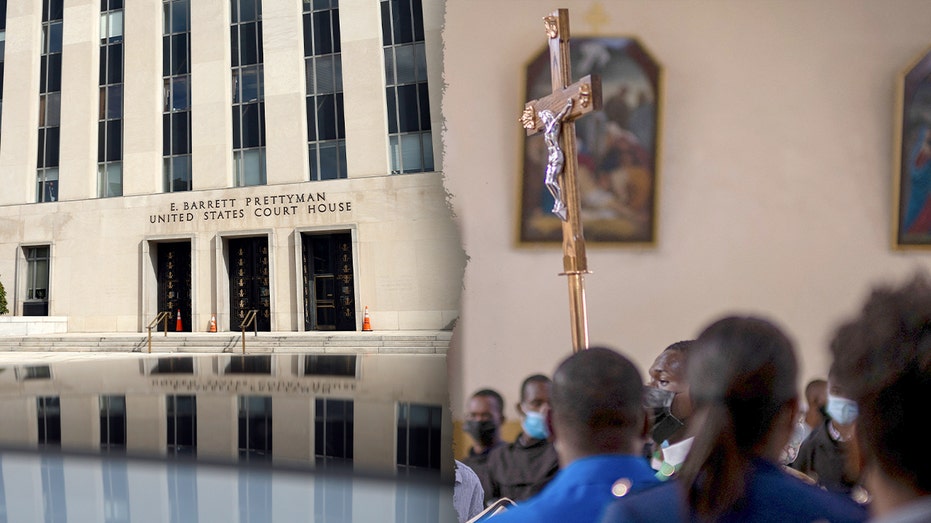
This sentencing signals a deliberate U.S. policy shift towards aggressively prosecuting and disrupting transnational criminal networks, especially those endangering American lives abroad. The extradition and trial of Germine in U.S. federal court demonstrates expanding extraterritorial jurisdiction application and cooperation with Haitian authorities—sectors historically hampered by corruption and instability.
Moreover, the case spotlights the human cost of geopolitical neglect. The hostages endured 62 days at gunpoint, underscoring how weak law enforcement contributes to humanitarian crises. Families like the Noeckers emphasize the psychological scars alongside physical threats, illustrating that these crimes reverberate deeply across borders.
Expert Perspectives
Dr. Karen Roberts, Senior Fellow on Caribbean Security Studies: "This case is emblematic of the broader challenges facing Haiti, where fragmented governance enables gangs to operate with near impunity. The use of hostage-taking as a political and economic tool reflects a strategic adaptation to exploit international attention and leverage."
James Miller, former DEA agent specializing in Latin America: "The Gambit to use kidnappings in exchange for gang leader releases is not new, but what’s different here is the clear American legal response that deters such tactics. The message is being sent: U.S. citizens taken abroad will not be forgotten; justice will reach across borders."
Data & Evidence: Trends in Kidnapping and Gang Violence
According to the Overseas Security Advisory Council, kidnappings in Haiti surged by over 150% between 2019 and 2023. Gangs now reportedly control approximately 40% of Port-au-Prince, including major transport routes, indicating the scale of their dominance.
U.S. Department of State travel advisories have repeatedly warned of heightened threats from violent gangs, which are responsible for an estimated 90% of kidnapping incidents. The ransom economy feeds cycles of violence; investigations reveal millions of dollars paid annually in extortion funds, which then finance arms smuggling and corruption.
Looking Ahead: Implications for Regional Security and U.S. Policy
This sentencing could mark the beginning of a more concerted international approach to tackling gang-related kidnappings through legal and security cooperation. The involvement of private security firms, such as the high-profile case of Erik Prince advising the Haitian government, suggests Washington recognizes the insufficiency of traditional state mechanisms alone.
However, sustainable progress depends on broader reforms strengthening Haiti’s judiciary, police reform, and tackling corruption. Otherwise, gang leadership is likely to shift to new players. The developing humanitarian crisis—worsening food insecurity and displacement—may further empower such groups, making early intervention critical.
The Bottom Line
The life sentence against Joly Germine forms a critical precedent highlighting the ability and willingness of U.S. authorities to pursue justice for crimes against its citizens abroad. But beyond criminal justice, it exposes the urgent need for a holistic strategy addressing root causes in Haiti’s fragile ecosystem. Failure to do so risks perpetuating cycles of violence and exploitation with global ripple effects.
Topics
Editor's Comments
While the life sentence of Joly Germine is a pivotal legal victory, it should not be mistaken for a comprehensive solution to Haiti's crisis of violence and governance failure. The ongoing fragmentation within Haitian political and security structures means new gang leaders can emerge even as one falls. Furthermore, the international community must consider how humanitarian aid, private military contractors, and diplomatic engagement intersect to either mitigate or inadvertently exacerbate instability. This case raises important questions about sovereignty, justice, and the limits of law enforcement in zones where state capacity is deeply compromised.
Like this article? Share it with your friends!
If you find this article interesting, feel free to share it with your friends!
Thank you for your support! Sharing is the greatest encouragement for us.