From Castle Ruins to Mesolithic Tools: How Derrygonnelly Unearthed Ireland’s Deep Past

Sarah Johnson
December 4, 2025
Brief
Discover how a search for a 400-year-old Irish castle led to a groundbreaking archaeological find revealing 9,000 years of human history, reshaping our understanding of Northern Ireland’s prehistoric past.
Unearthing Layers of Time: How a Search for a 17th-Century Irish Castle Revealed Millennia of Human History
The recent archaeological excavation at the site of Derrygonnelly Castle in County Fermanagh, Northern Ireland, offers a rich case study in how a focused search for a piece of relatively recent history can instead open windows into far deeper human pasts. While the castle itself—a 17th-century structure largely erased from the modern landscape—remains elusive, the discovery of Early Mesolithic flint tools and traces of an Early Bronze Age round house radically expands our understanding of prehistoric habitation in this region. What initially appeared to be a straightforward historical project blossomed into a narrative that weaves together the rich tapestry of human interaction with this landscape over more than 9,000 years. This analysis explores why such findings matter, placing them in historical context, and examining the broader implications for archaeology, heritage, and community engagement in Northern Ireland and beyond.
The Bigger Picture: Historical and Archaeological Context
Derrygonnelly Castle was constructed in the early 1600s, a period marked by political upheaval and plantation schemes in Ireland, where English and Scottish settlers established fortified dwellings. The castle’s disappearance by the 1800s—leading to it being "erased from the landscape"—reflects not only its physical decline but shifting socio-political dynamics and land use changes across the centuries. Northern Ireland’s rich strata of settlement, from Mesolithic hunter-gatherers to Bronze Age farmers to early modern lordships, have often been studied in silos; this dig challenges that division by uncovering evidence from multiple epochs in one spot.
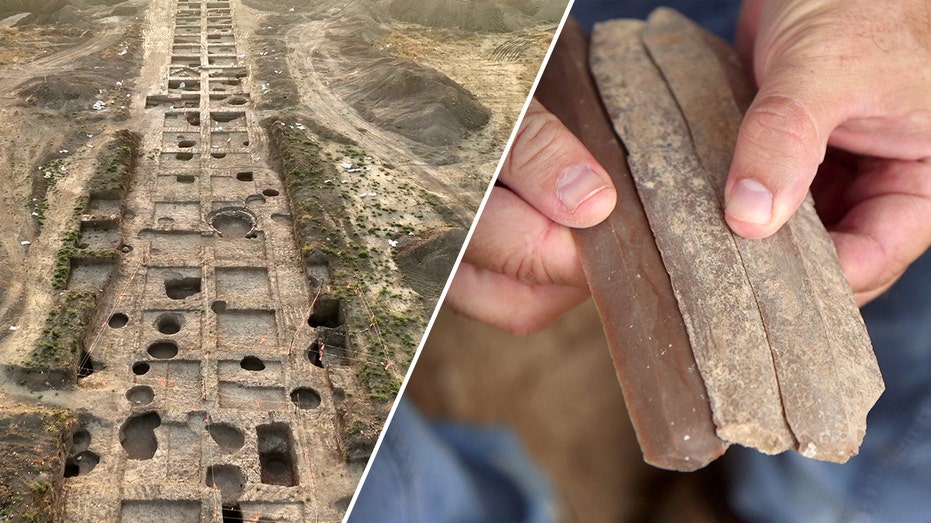
The Early Mesolithic period (circa 9,000+ years ago) was an era immediately following the last Ice Age, when hunter-gatherer groups adapted to the transformed post-glacial environment. Flint and chert tools found at Derrygonnelly suggest temporary campsites likely tied to seasonal movement patterns—information that adds nuance to existing maps of human migration and settlement in Ireland during this formative period. It is significant that these are the first documented Early Mesolithic remains in County Fermanagh, indicating this area was integrally connected to wider prehistoric lifeways.
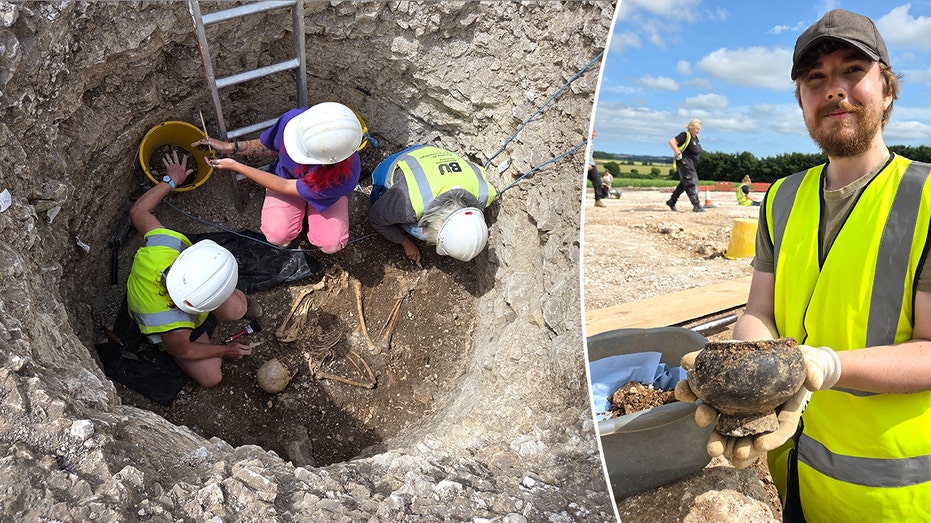
Additionally, the Early Bronze Age round house—dated around 4,000 years ago based on pottery fragments—illustrates continuity of occupation and evolving architectural and cultural practices. This period ushered in advances such as metalworking and complex social structures, and the presence of a domestic site here contributes valuable data on the spread of Bronze Age culture in Ulster.
What This Really Means: Intersecting Narratives of Place and Time
The intersection of Early Mesolithic hunter-gatherer artifacts, Bronze Age house remains, and 17th-century castle-related objects at one site compels us to reconsider how we define and approach historical sites. Often, archaeology seeks to isolate specific periods, but human interaction with landscapes is continuous, layered, and dynamic. Derrygonnelly exemplifies how one location can be a palimpsest, with successive generations leaving imprints that speak to changing economies, technologies, and social organizations.
Moreover, the high-status 17th-century artifacts, including imported pottery and wine goblet stems, illustrate the castle’s role as a local power center, rooted in broader networks of trade and politics during the early modern period. The reported "pretty garden" and orchard reinforce how landscape design and resource cultivation were part of asserting social status. Thus, the site anchors a range of human experiences: from transient early hunters to stable Bronze Age farmers to aristocratic English settlers.
Expert Perspectives Illuminate Significance
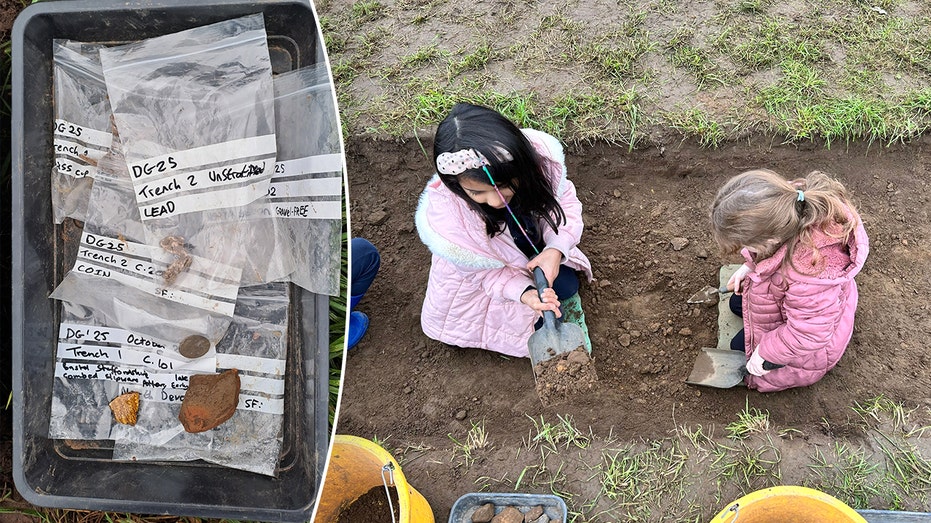
Professor Eileen Murphy of Queen’s University Belfast underscores the excitement surrounding these finds, highlighting how they transform County Fermanagh’s archaeological record and public engagement. Archaeologist Dr. John Waddell, a specialist on Irish prehistory, notes that "discoveries like these challenge long-held assumptions about the extent and nature of Mesolithic presence in Ireland, suggesting more extensive seasonal sites than previously recognized." Additionally, heritage expert Dr. Fiona Shannon emphasizes the value of community archaeology programs, stating, "Involving local populations—especially youth—in excavation cultivates not only stewardship but a deeper, more personal connection to the land's layered histories." This observation aligns with the meaningful involvement of nearly 250 schoolchildren and other volunteers, blending education with active research.
Data and Evidence: Quantifying the Past
The Early Mesolithic tools recovered represent some of the earliest human-made artifacts in Ireland, dating back approximately 9,000 to 8,000 years before present. This corresponds with broader archaeological timelines indicating Mesolithic inhabitation across the British Isles following the retreat of glaciers. The pottery fragment recovered from the round house post-hole is diagnostic of Early Bronze Age ceramics around 2,000 BCE—a period when Bronze Age cultures expanded significantly in Ireland and Britain.
Comparatively, Derrygonnelly’s 17th-century artifacts date within a few decades of the Ulster Plantation period, a pivotal moment of colonial settlement documented extensively in historical records. The high proportion of imported pottery aligns with evidence from other plantation sites, underscoring trade and status hierarchies.
Looking Ahead: Future Research and Heritage Management
These findings open new avenues for interdisciplinary research combining archaeology, paleoenvironmental studies, and history. Systematic surveys and excavations employing next-gen technologies—like LiDAR scanning, ancient DNA analysis, and residue analysis on tools and pottery—could further illuminate the site's occupation sequences and ecological context.
For heritage conservation, the involvement of Community Archaeology Programme Northern Ireland (CAPNI) sets a benchmark for inclusive, educational excavations that promote local pride while safeguarding fragile sites. Sustained funding and expansion of such programs will be critical in balancing preservation with research and tourism.
Politically and culturally, this project enriches Northern Ireland's narrative, emphasizing deep-time connections and shared heritage across communities. Amid contemporary societal divisions, archaeology’s ability to reveal layers of common past could serve as a unifying element.
The Bottom Line
The Derrygonnelly excavation demonstrates the unpredictable richness of archaeological inquiry—what began as a search for a long-lost castle instead uncovered evidence spanning thousands of years of human history, highlighting how landscapes serve as living archives. It underscores the value of integrating community involvement with rigorous research to deepen understanding and foster collective stewardship. Beyond the artifacts themselves, this project invites us to reflect on human resilience, adaptation, and continuity in a landscape that remains vital today.
Topics
Editor's Comments
The Derrygonnelly excavation perfectly illustrates how archaeological endeavors can transcend their initial aims to reveal profound, multi-layered histories. What began as a search for a 400-year-old castle unexpectedly spotlighted Ireland’s deep prehistoric past, connecting communities across millennia. This underscores the importance of adopting holistic archaeological methodologies that appreciate sites as palimpsests, rather than remnants of discrete moments. Furthermore, the active inclusion of local volunteers—especially young learners—reminds us that archaeology is not simply about uncovering the past but also about cultivating present-day cultural identity and care. As Northern Ireland continues to navigate its complex historical narratives, projects like this offer pathways for building shared heritage that honor all chapters of human experience embedded in the land.
Like this article? Share it with your friends!
If you find this article interesting, feel free to share it with your friends!
Thank you for your support! Sharing is the greatest encouragement for us.