Beyond the Bikini: What Gisele Bündchen’s Post‑Baby Beach Shoot Reveals About Motherhood, Aging, and Control

Sarah Johnson
December 16, 2025
Brief
Gisele Bündchen’s Miami post‑baby beach shoot is more than celebrity fluff. This analysis unpacks how it exposes modern pressures on motherhood, aging, divorce narratives, and the commercialization of women’s bodies.
Gisele Bündchen’s Post‑Baby Beach Shoot Isn’t Just Celebrity Filler. It’s a Window Into How Culture Polices Mothers’ Bodies.
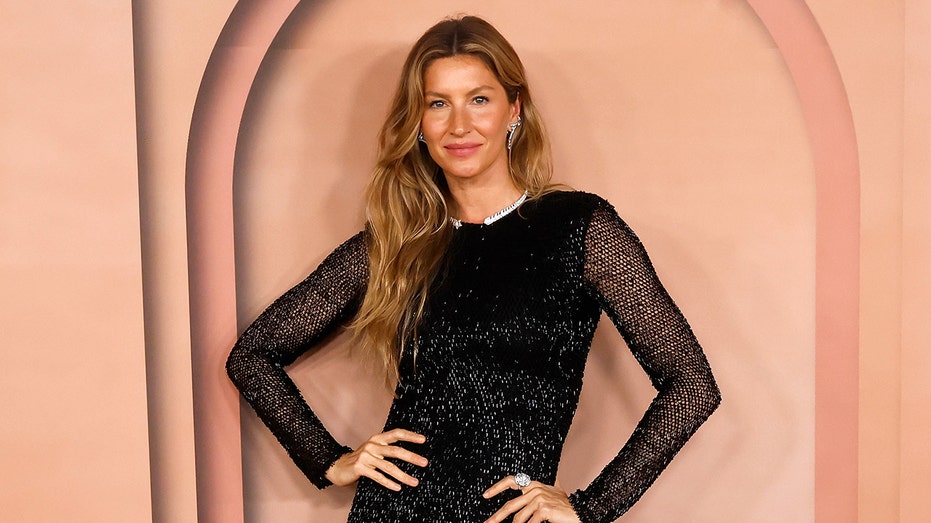
At first glance, this story looks like disposable celebrity content: a 45‑year‑old supermodel photographed on a Miami beach, showing a “post‑baby body” while holding a surfboard. But framed properly, it becomes a case study in how modern media treats motherhood, aging, and women’s autonomy—and how a single photo shoot can reinforce, or challenge, deeply rooted expectations about what women owe the public after they give birth.
The Bigger Picture: From Comeback Bodies to a Permanent Performance
To understand why a simple beach shoot matters, we have to situate it in two decades of “post‑baby body” coverage that has defined celebrity motherhood.
In the 2000s, tabloid headlines fetishized how quickly stars like Britney Spears or Victoria Beckham “snapped back” after pregnancy. Paparazzi shots became a competitive sport: who could appear in a bikini weeks after delivery, whose abdomen looked the flattest, whose muscle tone proved that pregnancy hadn’t changed them.
Gisele Bündchen herself helped shape this era. As a Victoria’s Secret Angel and global fashion icon, she embodied a specific ideal: ultra‑thin but toned, highly marketable, and seemingly untouched by life stages that transform most women’s bodies. Her famous 2010 comment about natural birth and breastfeeding—widely criticized as tone‑deaf—reinforced the perception that she lived on a different physical and moral plane from ordinary mothers.
The current story revisits that narrative but with important new layers: she is 45, she has just had her third child, she’s a divorced high‑profile woman in a new relationship, and she’s been openly targeted with accusations of infidelity. The photos, the styling, and the framing (“flaunts post‑baby body”) sit at the intersection of three powerful cultural scripts:
- The expectation that women “bounce back” quickly after pregnancy
- The pressure on older women to prove they are still sexually and commercially valuable
- The moral suspicion leveled at women who leave marriages and pursue new relationships
What looks like entertainment is actually a narrative battle over who gets to define a woman’s life after motherhood and divorce: the woman herself, or the ecosystem of media, fans, and critics watching from the sidelines.
What This Really Means: Bodies, Blame, and the Economics of Visibility
1. The monetization of “post‑baby” pressure
Every “post‑baby body” story sits on top of a multibillion‑dollar economy of fitness programs, supplements, shapewear, cosmetic procedures, and wellness brands targeting new mothers. By emphasizing how “slim” Bündchen looks so soon after childbirth, the coverage aligns with an industry that benefits when women feel their primary postpartum task is aesthetic repair, not recovery or bonding.
Public health data tell a different story. Studies in high‑income countries show that:
- Most women retain some pregnancy weight for a year or more; rapid weight loss is not the norm and can be unhealthy.
- Postpartum depression affects roughly 1 in 7 women, with body image pressure being a significant contributing factor for some.
- Return to exercise is often gradual and individualized; high‑intensity fitness or commercial shoots within weeks or months are realistic only for a small, highly resourced minority.
Gisele’s lifestyle—access to chefs, trainers, childcare, medical support, brand contracts—places her outside the statistical norm. Yet the images are consumed by women whose material reality looks nothing like hers. The disconnect is rarely acknowledged in celebrity coverage, but it’s central to understanding the impact.
2. Age, desirability, and the myth of “ageless” motherhood
The story’s subtext is not just that she looks slim after a baby; it’s that she does so at 45. Aging women in entertainment routinely face a double burden: they’re expected to perform youthfulness while being punished socially for pursuing sexuality or romance on their own terms.
In this context, a 45‑year‑old mother of three posing in a form‑fitting suit, zipper slightly undone, operates as both affirmation and provocation. It affirms that women can remain visible and commercially relevant well into midlife—but it also risks solidifying a new, punishing standard: you’re allowed to age, but only if you look like this.
3. Divorce, infidelity narratives, and the gendered script of blame
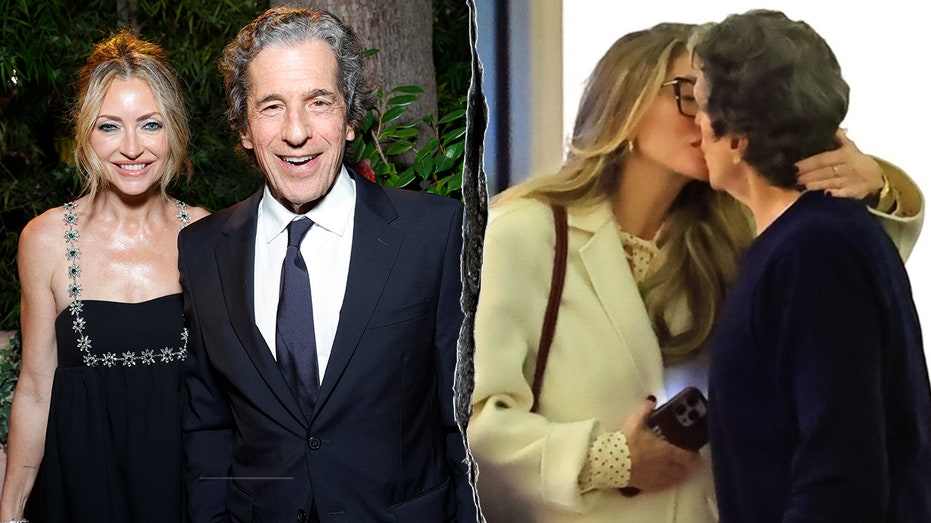
The article briefly references accusations that Bündchen cheated on Tom Brady with Joaquim Valente, which she has flatly denied, connecting her experience to a wider pattern: women who leave “unhealthy” relationships being labeled unfaithful. That line is crucial. It points to a long‑standing cultural reflex—when a high‑profile marriage ends, the woman in the story is often cast as the disloyal party, especially if she moves on publicly before or around the same time as her ex.
There’s a moral triangulation at work: the post‑baby body proves she’s desirable; the new partner proves she’s moved on; the timeline invites suspicion. The beach photos, then, are not just aesthetic—they’re evidence in a public trial about her character. When she appears confident, the imagery can be read two ways: as a woman reclaiming her narrative or as confirmation, for critics, that she’s “thriving too much,” too quickly.
4. Surfboards, sports bras, and the packaging of empowerment
The props and wardrobe choices are not accidental. A surfboard suggests athleticism, power, and connection to the elements—a visual contrast to older images of models as passive objects. Earlier in the week, she’s filmed in leggings and a sports bra: again, the language of strength and wellness rather than mere ornamentation.
This is part of a broader rebranding in the fashion and entertainment industries: models are now marketed as athletes, entrepreneurs, and wellness authorities. Yet the underlying stakes haven’t changed much. The bar for how a woman’s body should look has arguably risen: it must be not only thin but strong, not only attractive but “authentically” healthy. The demand is no longer just beauty; it’s high‑performance beauty.
Expert Perspectives: What Specialists See Behind the Photos
Gender studies scholars have long argued that media coverage of celebrity mothers functions as a cultural instruction manual. Who is praised, who is criticized, and for what, shapes what ordinary women believe is expected of them.
Psychologists focusing on postpartum mental health point out that while some women find fit‑mother imagery inspiring, others experience it as a form of pressure that turns recovery into a competitive sport. The fact that the article emphasizes her resuming yoga and “shorter outings” with older kids mirrors a therapeutic script—she’s caring for herself, easing back—but with a glossy, aspirational overlay that not all viewers can separate from their own realities.
Media ethicists, meanwhile, highlight the cumulative effect of framing “post‑baby” stories around appearance rather than substance. When coverage centers on how quickly a woman looks “normal” again, it subtly implies that the pregnant or early postpartum body is a problem to be solved rather than a valid, temporary state.
Data & Evidence: The Reality Most Mothers Live In
Against the carefully curated image of effortless return to form, several data points stand out:
- Postpartum recovery timelines: Medical guidelines generally describe a six‑week minimum for basic physical recovery, with full recovery (pelvic floor, core strength, hormonal regulation) often taking 6–12 months or longer.
- Body image distress: Surveys in high‑income countries consistently show that a significant share of new mothers report dissatisfaction with their bodies, with social comparison via media and social networks being a major factor.
- Economic reality: In the U.S., around 1 in 4 women return to work within two weeks of childbirth, often without paid leave. The time and resources required for intensive fitness and wellness routines are unrealistic for most.
Gisele’s experience is not invalid because it’s privileged—but treating it as aspirational baseline ignores these realities. That disconnect is precisely what critical analysis needs to expose.
Looking Ahead: Where This Coverage Is Heading
Several trends collide around this story that will shape how we talk about celebrity mothers going forward:
- Normalization of older motherhood: As more women have children in their 40s, stories like this can help normalize later‑life pregnancies—but only if coverage moves beyond aesthetics to health, policy, and support.
- Shifts in divorce narratives: High‑profile women increasingly push back on being cast as villains when leaving marriages. Gisele’s comments about women being blamed for exiting “unhealthy” relationships fit a broader trend of reframing divorce as an act of agency rather than failure.
- Commercialization of wellness: Expect to see more campaigns that blend surfboards, yoga, and “strong not skinny” messaging—while still relying on a narrow range of body types. The critical question is whether brands will widen that range or simply repackage old ideals as empowerment.
- Audience fatigue and media shifts: There is increasing pushback, especially among younger audiences, against constant commentary on women’s bodies. Outlets that continue to frame stories around “flaunting” and “snapping back” may find themselves out of step with evolving norms.
The Bottom Line
Gisele Bündchen’s Miami beach shoot is more than a brief entertainment headline. It’s a flashpoint in ongoing debates about what mothers’ bodies should look like, how aging women can appear in public, and who gets to narrate the end of a marriage. The images project control and vitality, but the framing—“post‑baby body,” hints of scandal, emphasis on slimness—reveals how much work remains to decouple women’s life choices from constant aesthetic and moral judgment.
The real cultural progress won’t come when more 45‑year‑old mothers look like Gisele. It will come when women at any age, with any postpartum body, can move through public and private life without feeling that their worth hinges on whether they could headline a beach photo shoot.
Topics
Editor's Comments
This story sits at a revealing crossroads: celebrity culture, gendered morality, and the economics of attention. What’s striking is how efficiently a few beach photos can do so much ideological work. They reassure brands and fans that Gisele remains a profitable, desirable asset post‑divorce and post‑pregnancy. They subtly validate the idea that a “successful” mother is one who erases the physical evidence of pregnancy quickly. And they provide raw material for ongoing speculation about her personal life—who she loved, when, and whether she’s guilty of a betrayal that the public feels entitled to adjudicate. The missing piece in most coverage is power. Who benefits when the main thing we notice about a 45‑year‑old woman who just had a baby is how flat her stomach looks? Certainly not the millions of mothers struggling through underpaid leave, inadequate healthcare, and postpartum mental health crises. Until coverage links these glossy images to the structural realities most women face, it will continue to reinforce a fantasy that distracts from the policies and norms that actually shape mothers’ lives.
Like this article? Share it with your friends!
If you find this article interesting, feel free to share it with your friends!
Thank you for your support! Sharing is the greatest encouragement for us.